Libyan Prosecutor Opens Probe After Saif al-Islam Gaddafi Is Killed
Forensic teams were dispatched to Zintan after Saif al-Islam Gaddafi was shot dead at about 2:30 a.m., officials said.
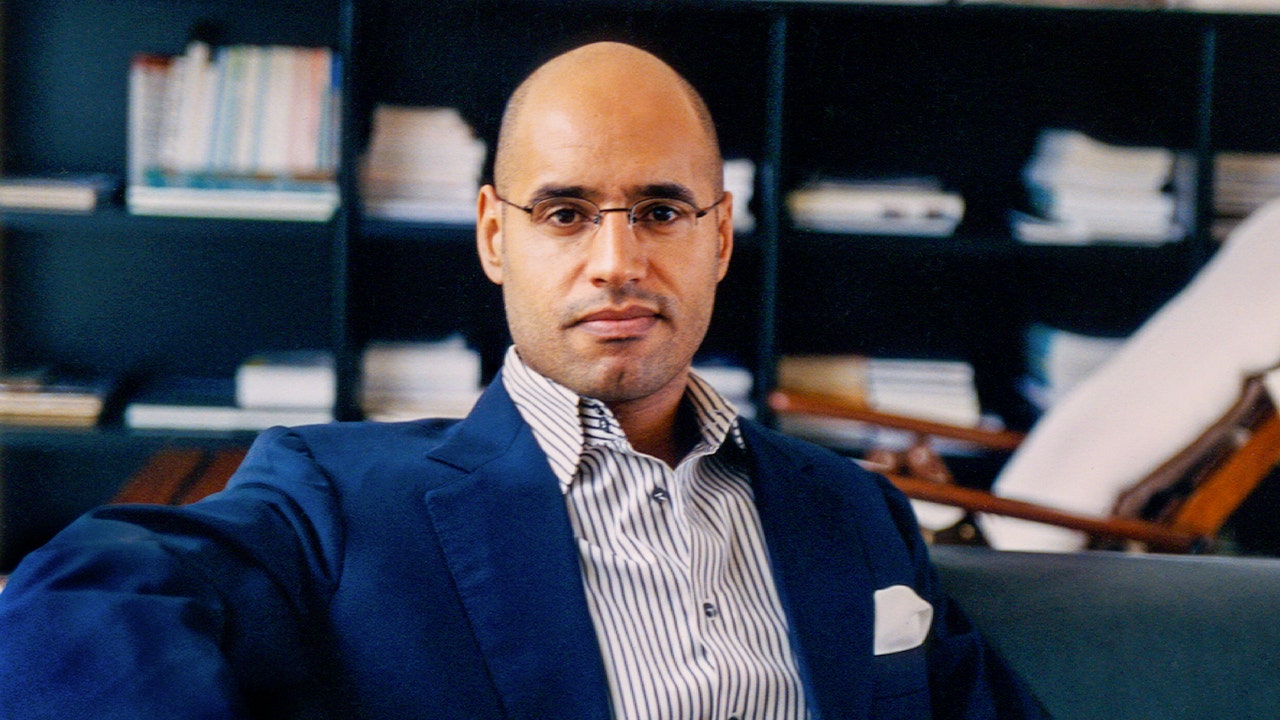
 FOX News
Son of former Libyan dictator Muammar al-Qaddafi killed by masked men, reps say

 Al Jazeera
Libya’s top prosecutor launches probe into Saif al-Islam Gaddafi’s killing
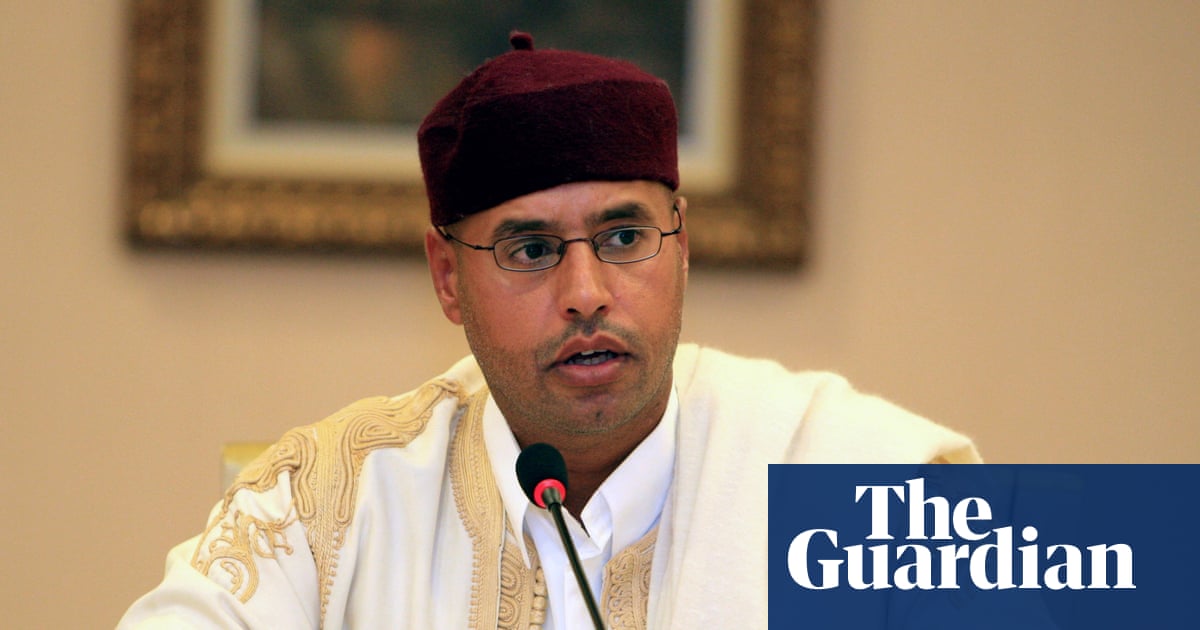
 The Guardian
Saif al-Islam Gaddafi, son of ex-Libyan leader, killed, say officials
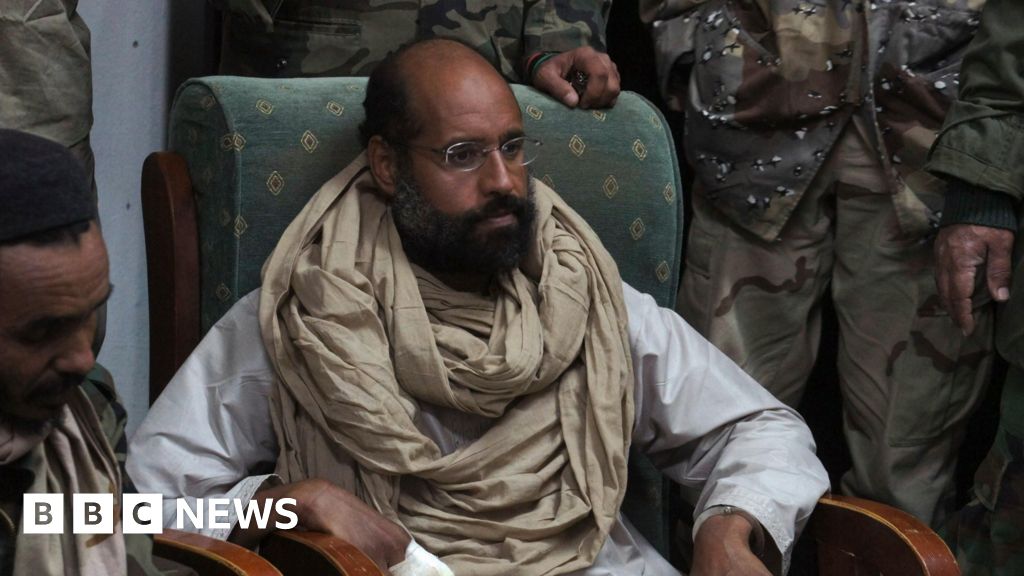
 BBC News
Saif al-Islam Gaddafi, son of ex-Libyan leader, reportedly shot dead
Overview
Saif al-Islam Gaddafi, 53, was shot dead at about 2:30 a.m. in his home in Zintan, Libya, according to the Libyan attorney general’s office and Abdullah Othman, head of Gaddafi's political team.
The killing is significant because Saif al-Islam was widely seen as Muammar Gaddafi's heir apparent and was charged by the International Criminal Court in 2011 with crimes against humanity, records show.
The Libyan public prosecutor’s office said it dispatched forensic teams to Zintan, opened a formal probe and was seeking suspects and witnesses, officials confirmed.
Gaddafi's political team said "four masked men" stormed his house, shut down its security cameras and engaged in a struggle before he was shot, while his sister said he died near Algeria, a contested account.
Khaled al-Mishri called for "an urgent and transparent investigation" and prosecutors said they will continue forensic work and question witnesses as analysts warned the killing could inflame pro-Gaddafi factions.
Analysis
Analysis unavailable for this viewpoint.
FAQ
Saif al-Islam Gaddafi, 53, was the son of late dictator Muammar Gaddafi, widely seen as his heir apparent. He was involved in diplomacy, shaped policy, but was charged by the ICC in 2011 with crimes against humanity and sentenced to death in absentia by a Libyan court in 2015.
He was shot dead around 2:30 a.m. in the garden of his residence in Zintan, Libya, by four masked armed men who stormed the house, disabled security cameras, and engaged in a confrontation before fleeing.
The Libyan public prosecutor's office has opened a formal probe, dispatched forensic teams to Zintan, and is seeking suspects, witnesses, and conducting interviews.
Captured in 2011 while fleeing, he was detained in Zintan for nearly six years, released in 2017 under amnesty, attempted to run for president in 2021 but was disqualified due to his conviction.
Analysts warn it could inflame pro-Gaddafi factions; calls for urgent transparent investigation from figures like Khaled al-Mishri, amid Libya's ongoing divisions.
