Europe Says Russia Killed Navalny With Dart-Frog Toxin
Five European countries said laboratory tests found epibatidine, a dart-frog toxin, in Alexei Navalny's body on Feb. 14, and blamed the Russian state.
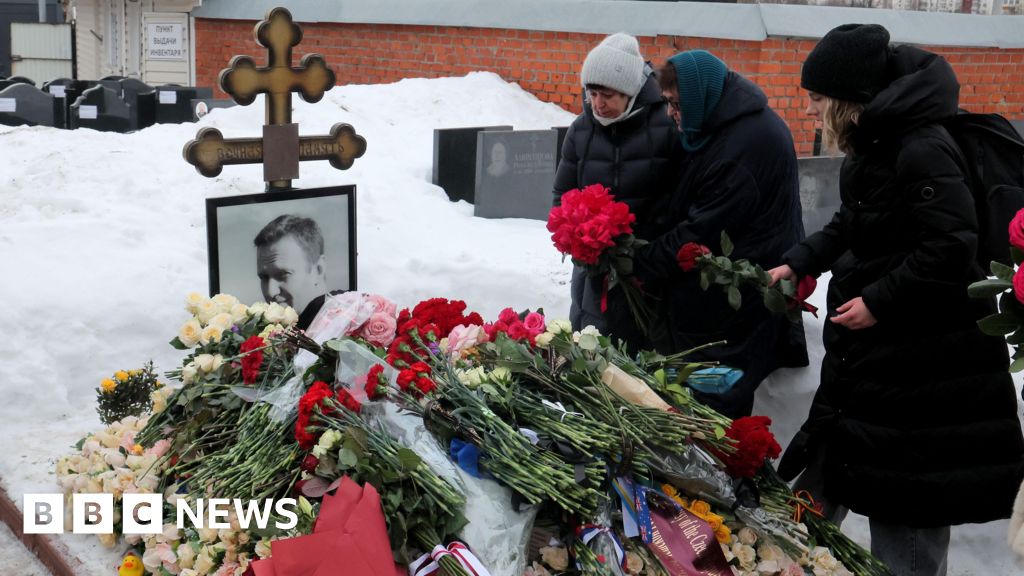
 BBC News
Mother of Alexei Navalny says poison finding confirms he was murdered

 Joe.My.God.
Kremlin Denies Killing Alexei Navalny With Frog Toxin - Joe.My.God.

 Al Jazeera
Russia rejects claims of poisoning Navalny with dart frog toxin
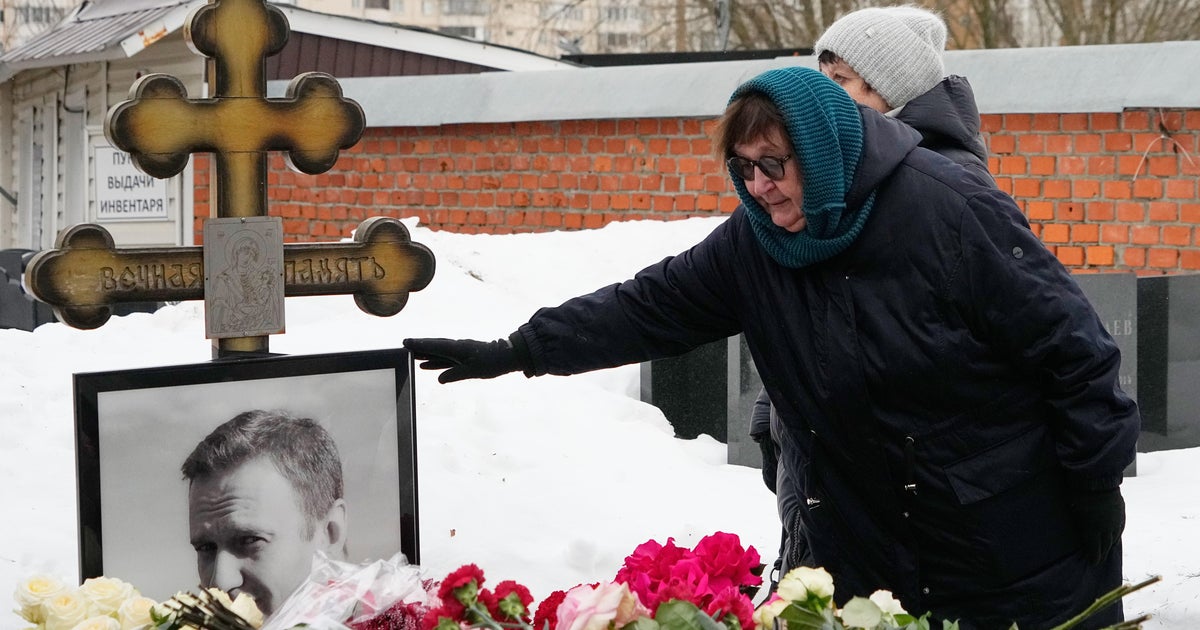
 CBS News
Alexey Navalny's mom hopes for justice as Russia rejects dart frog poisoning assessment by European nations
Overview
On Feb. 14 the United Kingdom, Sweden, France, Germany and the Netherlands said laboratory analysis detected epibatidine in samples from Alexei Navalny's body and blamed the Russian state, officials said.
Alexei Navalny died on Feb. 16, 2024 in an Arctic penal colony while serving a 19-year sentence, and he was 47 years old.
Kremlin spokesman Dmitry Peskov said on Monday that Moscow strongly rejected the accusations and called them biased and unfounded.
Dozens of Muscovites and several foreign diplomats visited Navalny's grave on the two-year anniversary of his death.
The United Kingdom said it is considering coordinated action including increasing sanctions.
Analysis
Center-leaning sources frame Navalny's death as part of a recurring Kremlin pattern, prioritizing Western forensic statements and expert analysis while giving shorter treatment to Kremlin denials. They deploy evaluative words ("murdered", "grimly familiar"), foreground prior poisonings and repression, and place family reactions and expert quotes in leads to imply culpability.
FAQ
Epibatidine is a toxic alkaloid found in poison dart frogs that acts as a potent neurotoxin affecting the nervous system[1]. It would be used as a poison because of its lethal properties and potential difficulty to detect, making it a tool for assassination that could be attributed to natural causes if not thoroughly investigated[1].
The delay in public identification of epibatidine occurred because Russian authorities did not conduct a transparent independent investigation immediately following Navalny's death on February 16, 2024[1][2]. International human rights organizations called for an independent autopsy and forensic analysis, but Russia's state prison service conducted only a 'procedural inquiry,' preventing timely toxicological analysis by independent experts.
Under international law, including the UN Minnesota Protocol on the Investigation of Potentially Unlawful Death, states must conduct prompt, impartial, and effective investigations into all deaths in custody[1]. This requires an independent autopsy by impartial forensic experts, transparency allowing scrutiny by international observers and family members, full documentation of evidence chain of custody, and complete access for the victim's next of kin[1].
Navalny survived a near-fatal poisoning by a military-grade nerve agent in Russia in 2020 while recovering in Germany[1]. The European Court of Human Rights previously determined that Russian authorities failed to investigate that earlier poisoning attempt, establishing a pattern of negligence[1]. Navalny's suspicious death in custody two years after imprisonment for his return to Russia raises questions about continued state involvement in threats to his life[1].
The United Kingdom stated it is considering coordinated action including increasing sanctions against Russia in response to the findings[1]. UN experts and international human rights organizations have called for accountability for all those responsible for Navalny's persecution and death, and have demanded the release of other political prisoners and repeal of repressive laws that facilitated arbitrary detentions[1].