BNP Claims Victory After Bangladesh Uprising
Tarique Rahman’s BNP claimed victory in the first election since the July 2024 uprising, with turnout at 59.4% and seat counts variously reported between roughly 185 and 212.
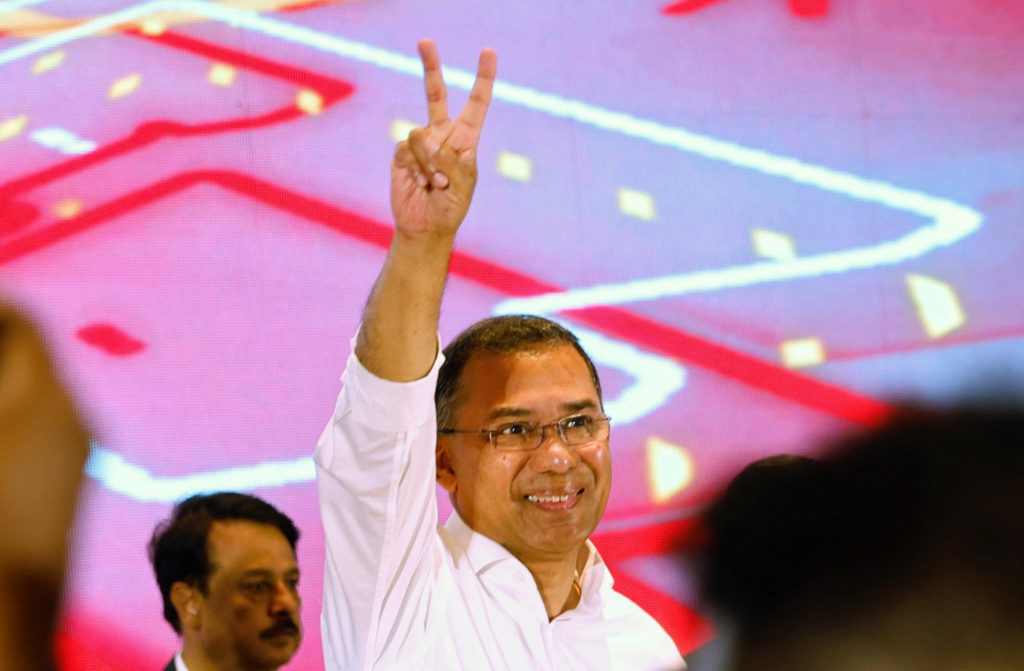
 PBS NewsHour
Bangladesh's PM-elect vows to work for democracy after landslide victory
 Associated Press
Bangladesh's Tarique Rahman pledges to work for democracy after landslide victory in election
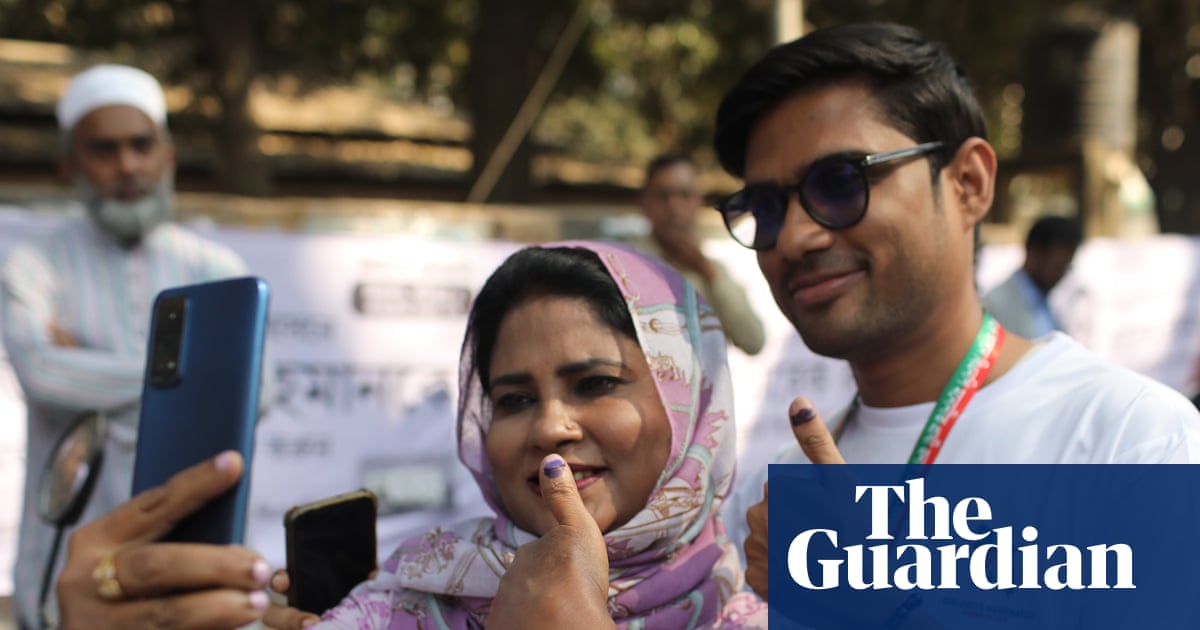
 The Guardian
Bangladesh election: BNP wins historic first vote since overthrow of Hasina

 TIME Magazine
What Bangladesh’s Election Means for South Asia and the World
Overview
The Bangladesh Nationalist Party claimed victory in Thursday's election, and party leader Tarique Rahman said he would work to build a more democratic country as the new government prepares to take the oath in days.
The vote was the first since the July 2024 uprising that ousted Sheikh Hasina and was overseen by an interim government headed by Nobel laureate Muhammad Yunus, marking a major political shift.
India, the United States and Pakistan congratulated the BNP, while Jamaat-e-Islami raised concerns about delayed result announcements and narrow losses, and some accounts said its leader conceded defeat.
Preliminary tallies and reports put the BNP alliance at roughly 185 to 212 seats and the Jamaat-led alliance at about 77 seats in a legislature variously reported as 300 or 350 members, with turnout at 59.4% and postal votes at 80.11%.
Early results suggested a referendum on constitutional reforms known as the July Charter passed with more than 68% voting yes, and analysts said the incoming government faces urgent tasks to restore rule of law, rebuild institutions and revive the economy.
Analysis
Center-leaning sources present the coverage largely neutrally, favoring factual reporting and clear attribution of charged claims. Editorial choices limit framing: accusations of Hasina’s "authoritarian" rule are reported as claims, and Rahman’s pledges are quoted. Context—Yunus’ interim government, peaceful voting, and opposition makeup—supports balance without evident editorial bias.
FAQ
BNP secured 209 seats, its allies secured 3 seats, Jamaat-e-Islami secured 68 seats, and its allies secured 9 seats out of 297 published seats.
The July Charter is a set of constitutional reforms including prime ministerial term limits, creation of an upper house, expanded presidential powers, and stronger judicial independence; it passed with more than 68% voting yes.
Voter turnout was 59.4%, and the election was overseen by an interim government led by Nobel laureate Muhammad Yunus.
BNP's victory is attributed to the absence of the Awami League, the party's familiarity and perceived experience among voters, and concerns over the rise of right-wing politics.