IOC Bars Ukrainian Skeleton Racer Over Memorial Helmet
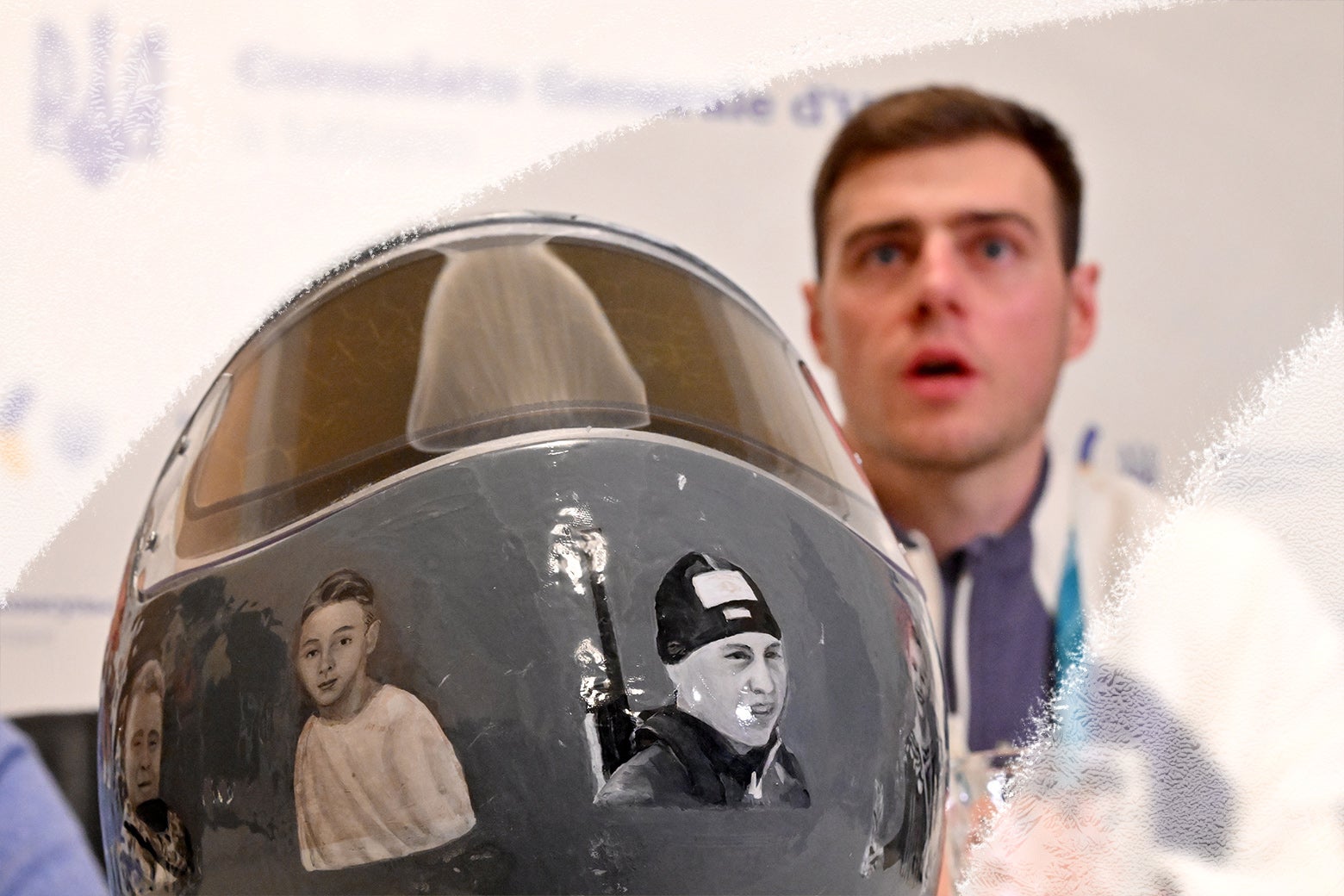
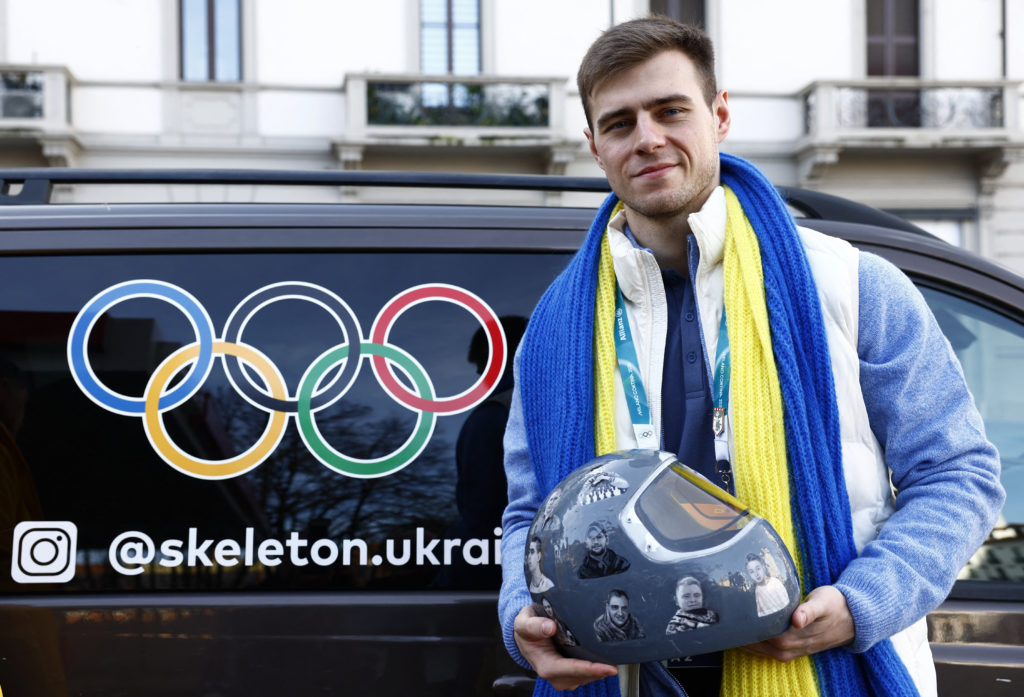
The IOC withdrew Vladyslav Heraskevych's accreditation and the Court of Arbitration for Sport denied his appeal after he sought to wear a helmet showing photos of more than 20 Ukrainians killed in the war.



Overview
The IOC withdrew Vladyslav Heraskevych's accreditation on Thursday, barring him from competing after he refused to leave behind a helmet showing photos of more than 20 Ukrainian athletes and coaches killed in the war.
The IOC said its guidelines, citing Rule 50 and Rule 40, prohibit demonstrations on the field of play and offered Heraskevych alternatives such as a black armband or displaying the helmet after competition.
Heraskevych called the helmet "the price of our dignity" and said he felt "emptiness" after the decision, while Ukrainian President Volodymyr Zelensky called the IOC's action "morally appalling."
The helmet honored more than 20 people killed, and activists note that Russian forces have killed more than 650 Ukrainian athletes and coaches since the 2022 invasion.
The Court of Arbitration for Sport denied Heraskevych's appeal on Friday, and critics said the decision highlights inconsistent IOC application of expression rules.
Analysis
Analysis unavailable for this viewpoint.
FAQ
IOC Rule 50 states that 'No kind of demonstration or political, religious or racial propaganda is permitted in any Olympic sites, venues or other areas.'[2] The rule is designed to maintain political neutrality as a foundational principle of the Olympic Charter and to protect the sanctity of the field of play.[2] The IOC argues the rule was drafted after consulting with officially recognized athlete groups, including those from countries where athletes face political interference from their governments.[2]
The IOC offered Heraskevych two compromises: wearing a black armband or displaying the helmet once he was off the course in media areas.[2] Heraskevych had been freely permitted to wear the helmet during training runs and could bring it to media areas on race days, but refused to wear an IOC-approved helmet that complied with rules designed to keep the field of competition free of political messages.[2]
Critics and legal experts argue that Rule 50 violates athletes' rights to free speech and freedom of expression.[6] Sports law expert Antoine Duval characterized the IOC's enforcement as demanding that 'athletes are like absolute robots,' suggesting future Olympians could face scrutiny over even tattoos.[2] Additionally, the Team USA Council on Racial and Social Justice argues that prohibiting athletes from freely expressing their views—particularly those from historically underrepresented and minoritized groups—contributes to the dehumanization of athletes and contradicts key Olympic values.[6]
The Rule 50 Guidelines for the Tokyo 2020 Olympic Games created new forums for expression, and amendments to Rule 40 of the Olympic Charter were made to ease restrictions.[5] The guidelines acknowledge that Olympians can engage in political and commercial expression, though current social and digital media guidelines still prohibit 'non-compliant content'.[5] However, the ambiguous terms and persistent restrictions continue to generate debate about whether these changes adequately protect athletes' freedom of expression.[5]
