U.S. Forces Board Sanctioned Tanker Veronica III
Pentagon said forces tracked the Panama‑flagged Veronica III from the Caribbean to the Indian Ocean after it left Venezuela on Jan. 3 with nearly 2 million barrels of crude and fuel oil.
 RedState
New: War Department Reports Boarding of Evasive Sanctioned Vessel Linked to Iran
 The Guardian
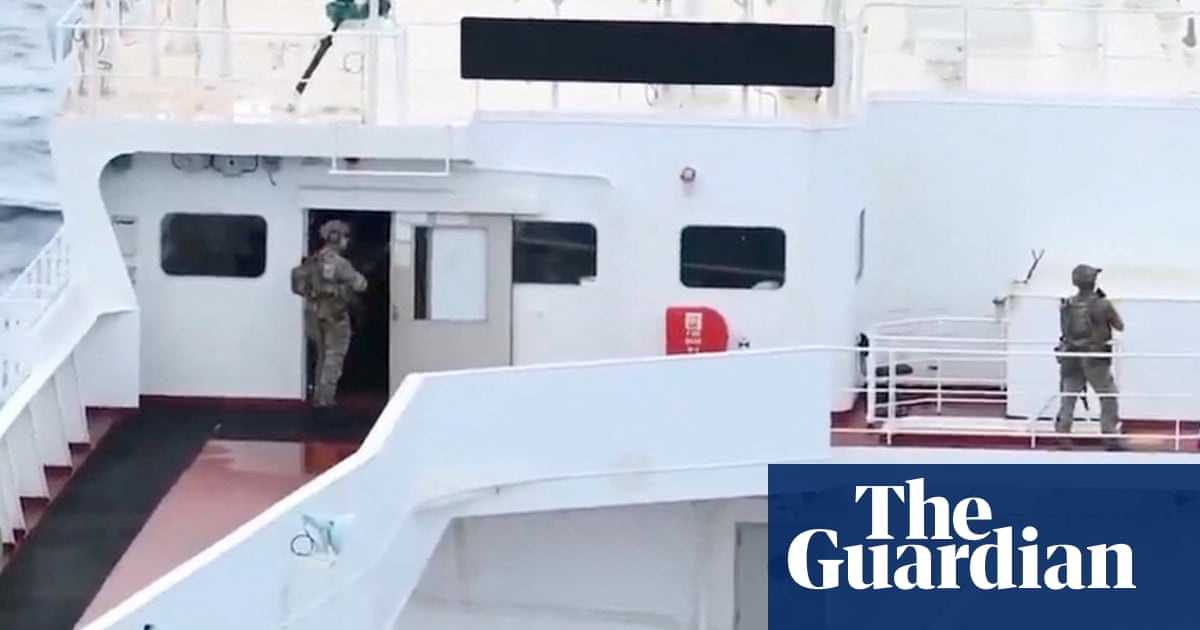
US forces board second Venezuela‑linked oil tanker in Indian Ocean
 Fortune
U.S. military tracks down a sanctioned oil tanker from the Caribbean to the Indian Ocean and 'shut it down' | Fortune
 FOX News
US forces board sanctioned oil tanker after vessel tried to evade Trump quarantine, Department of War says
Overview
U.S. forces boarded the Panamanian‑flagged tanker Veronica III in the Indian Ocean during a right‑of‑visit, maritime interdiction and boarding, the Pentagon said on Sunday.
The Pentagon said the vessel was tracked from the Caribbean after leaving Venezuela on Jan. 3 with nearly 2 million barrels of crude and fuel oil, TankerTrackers.com posted on X.
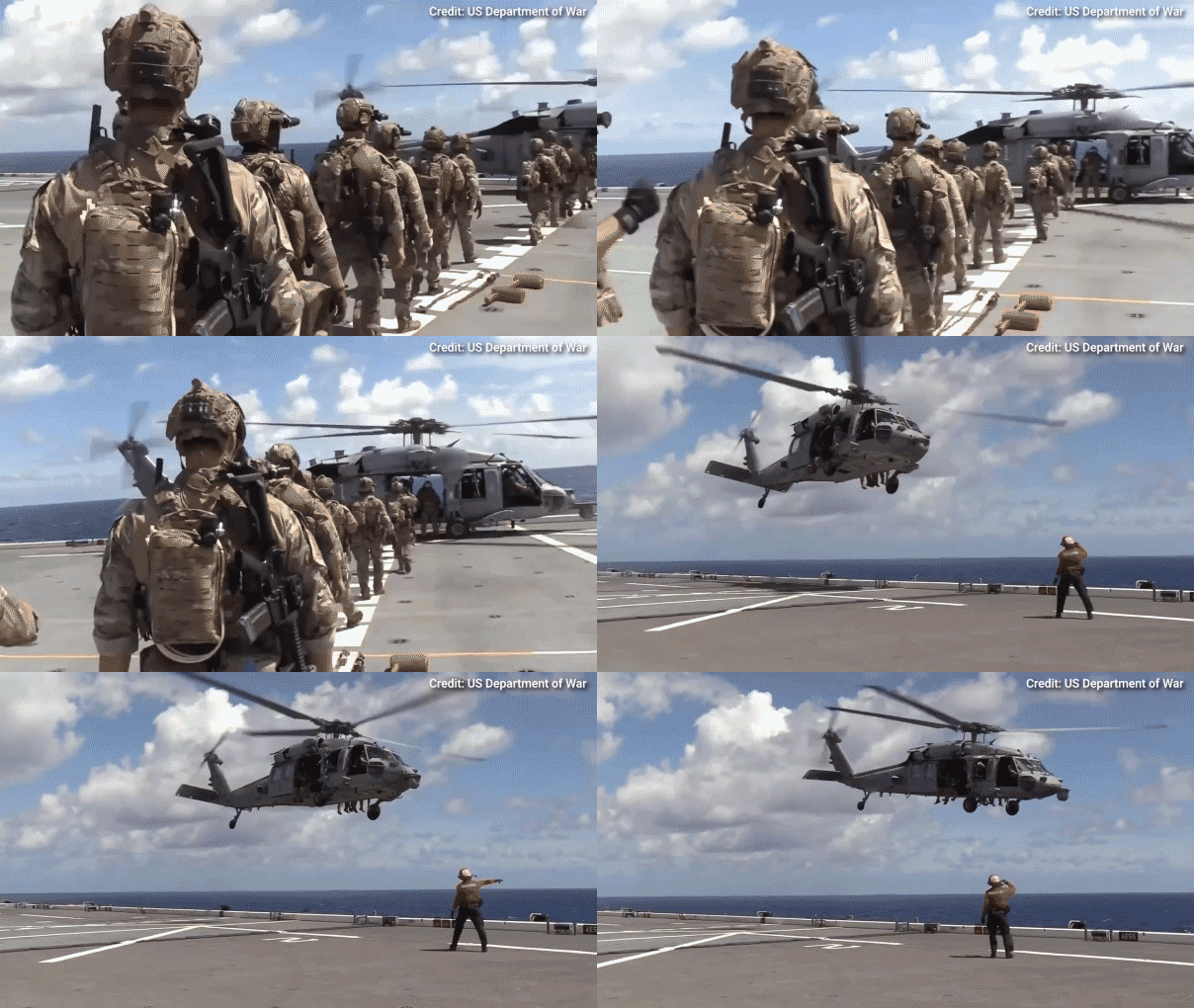
Video posted by the Pentagon showed U.S. troops boarding the tanker without incident, and the Pentagon said, "We tracked it from the Caribbean to the Indian Ocean, closed the distance, and shut it down."
U.S. officials say at least 16 tankers left Venezuelan waters after the January raid and the administration has seized seven tankers since the Jan. 3 operation, officials said.
The Pentagon did not say whether the Veronica III was formally seized and later said it had no additional information, while a defense official said the Aquila II is being held pending a decision.
Analysis
Center-leaning sources frame the events as decisive U.S. enforcement against illicit Venezuelan oil, emphasizing Pentagon accounts and tracker evidence. Coverage foregrounds action-oriented language, prioritizes U.S. and independent-tracker perspectives, downplays Venezuelan government or legal counter-arguments, and presents the boarding as routine enforcement.
FAQ
The Veronica III's Panama flag is part of a sanctions evasion strategy. The tanker is actually under U.S. sanctions related to Iran and Venezuela, and has previously sailed under different names and flags to disguise its activities and evade enforcement[3]. Panama-flagged vessels are commonly used in shadow fleets because the flag of convenience system allows ships to obscure their true ownership and operational control, making it easier to circumvent international sanctions.
The U.S. forces conducted what they described as a **right-of-visit, maritime interdiction and boarding operation**, which are recognized maritime law enforcement procedures[1][2]. The Pentagon stated that "international waters are not sanctuary," asserting U.S. authority to enforce sanctions globally[2]. This authority derives from the vessel's designation on the U.S. Treasury Department's sanctions list and the administration's enforcement of President Trump's quarantine order on sanctioned Venezuelan tankers[3].
The Veronica III departed Venezuela on January 3 with nearly 2 million barrels of crude oil and fuel oil[1]. The search results do not specify the vessel's intended destination, though the cargo was part of Venezuela's ongoing efforts to circumvent U.S. oil sanctions by using shadow fleet tankers to move crude into global markets[1].
Yes, the Veronica III boarding is part of an intensified crackdown on Venezuela-linked oil shipments. The Trump administration announced a blockade of all sanctioned oil tankers in December 2024 and increased naval presence in the Caribbean[3]. Since the January 3 raid that led to former President Nicolás Maduro's capture, at least 16 tankers have left Venezuelan waters, and the administration has seized seven tankers[1]. The Aquila II was similarly boarded in the Indian Ocean the week before[2].
The Pentagon did not immediately specify whether the Veronica III was formally seized. A defense official indicated that at least one other intercepted tanker, the Aquila II, is being held while U.S. authorities decide its ultimate fate[1][2]. The final disposition of the Veronica III remains unclear based on available information.

