Investigators Turn to Genetic Genealogy After No CODIS Match in Nancy Guthrie Case
Glove DNA recovered about two miles from Nancy Guthrie's Tucson home produced no CODIS match, prompting investigators to pursue investigative genetic genealogy and other DNA testing.
 NPR
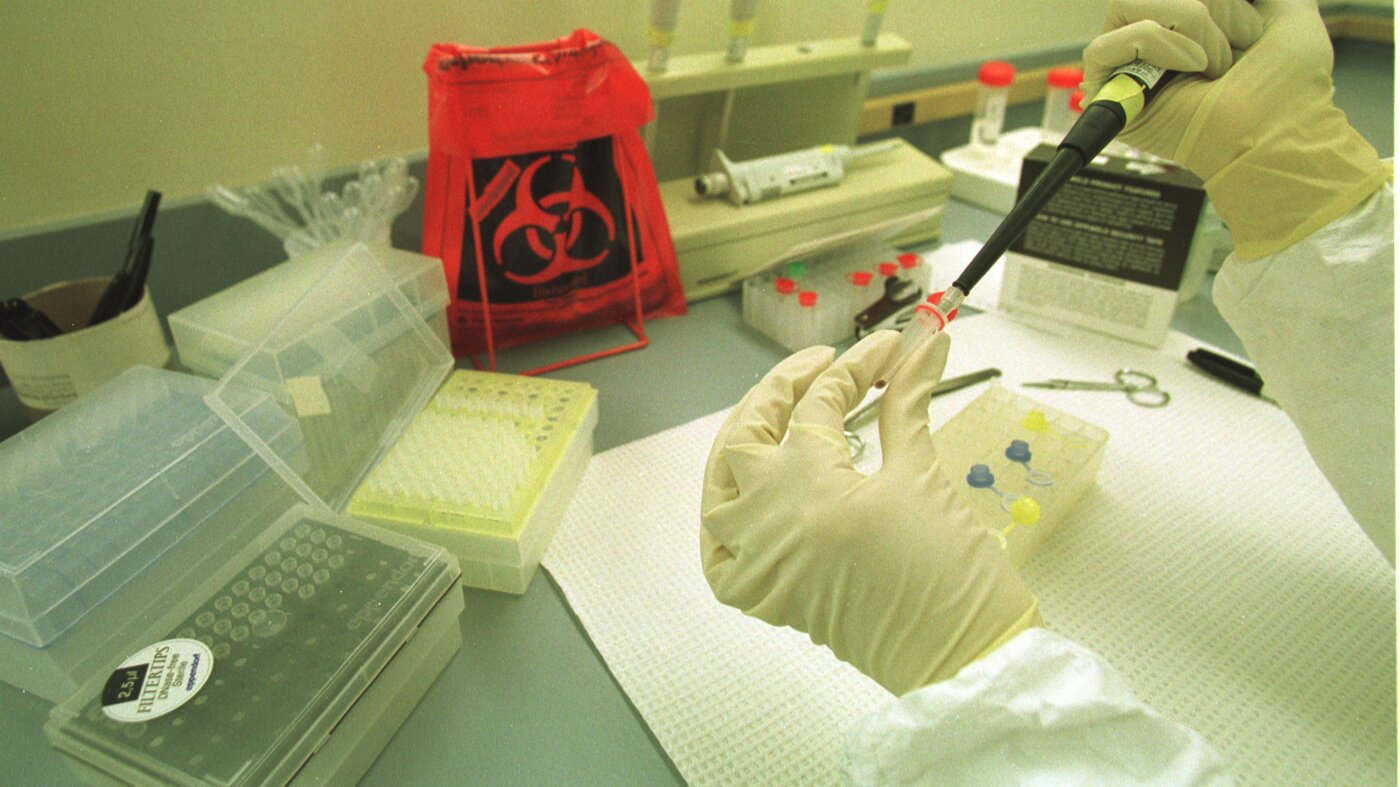
NPRHow a recent shift in DNA sleuthing might help investigators in the Nancy Guthrie case

 CNN
CNNWith no initial DNA match, Guthrie disappearance investigators turn to one of their newest tools to crack cases: genetic genealogy | CNN
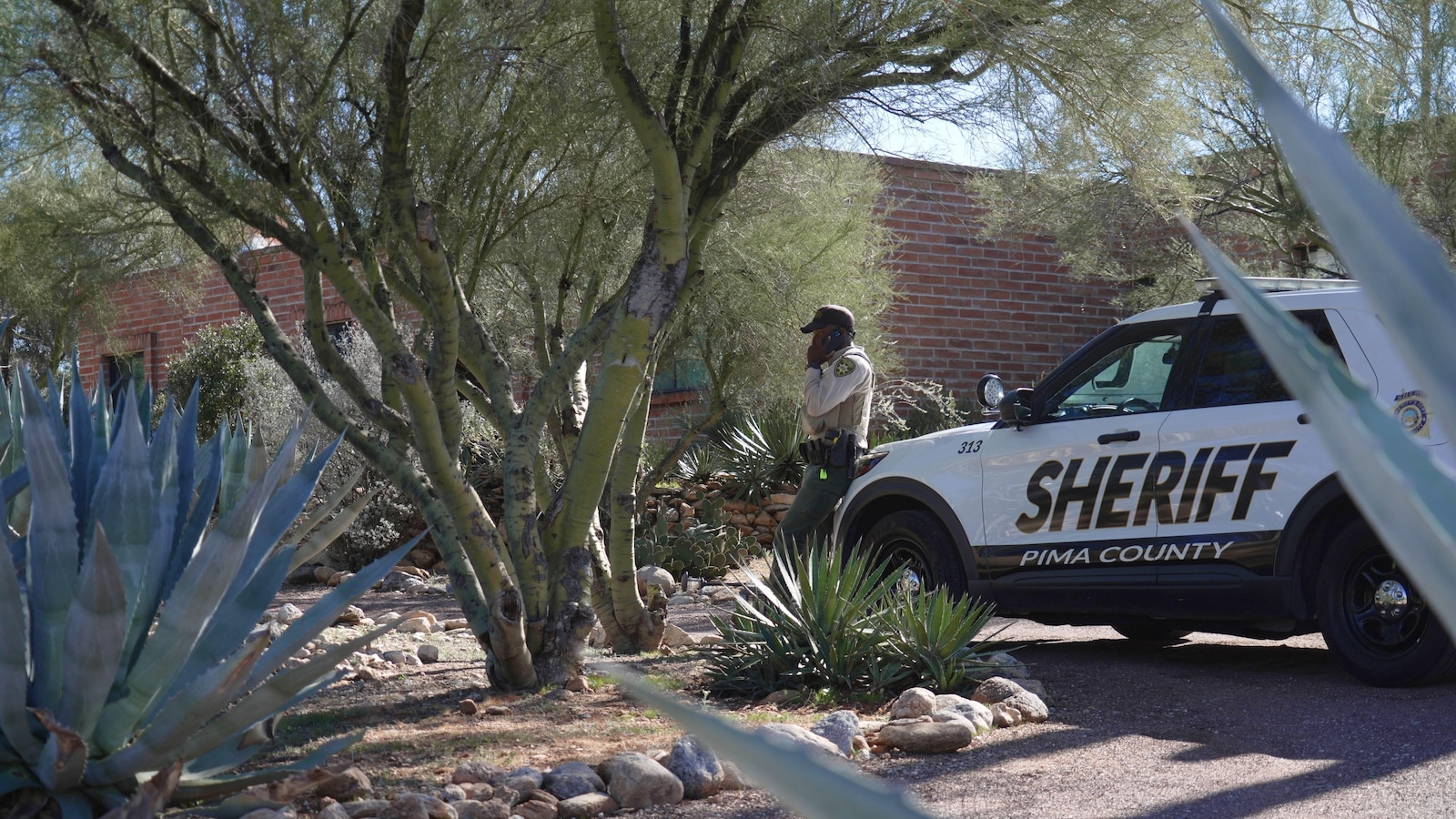
 ABC News
Genealogical sites have helped solve major crimes

 CBS News
No DNA match in database from gloves found during Nancy Guthrie investigation, officials say
Overview
Pima County Sheriff's Department said DNA from gloves found about two miles from Nancy Guthrie's Tucson home produced no match in the FBI's CODIS database.
Investigators said the 84-year-old Nancy Guthrie, mother of Today co-host Savannah Guthrie, has been reported missing after a masked suspect was recorded on her front-door camera.
Pima County Sheriff Chris Nanos said DNA collected at Guthrie's property did not match her or anyone in close contact with her.
Officials said investigators recovered 16 gloves in various areas, most belonging to investigators, and that the tested glove was found in a field about two miles from Guthrie's home.
The Pima County Sheriff's Department said investigators are looking into investigative genetic genealogy options and that the glove DNA will likely be entered in commercial genealogy databases to check for matches.
Analysis
Center-leaning sources report neutrally: they explain FIGG and CODIS, cite experts noting both successes and limits (e.g., "not a magic wand", CODIS "invaluable"), and flag privacy concerns (disproportionate DNA collection). Opinions like "new era" are attributed to organizations, while investigative details (gloves, pacemaker, backpack) are source content.
FAQ
Investigative genetic genealogy is a forensic technique that uses DNA from crime scenes and compares it against commercial genealogy databases to identify suspects or their relatives[1]. In Nancy Guthrie's case, after the glove DNA found two miles from her home produced no matches in the FBI's CODIS database, investigators are turning to this method by entering the DNA into commercial genealogy databases to potentially identify the suspect or find family connections that could lead to solving the case[1].
CODIS (Combined DNA Index System) is the FBI's database of DNA profiles from convicted offenders and arrestees[2]. The fact that the glove DNA produced no CODIS hit means the suspect has no prior criminal record in the FBI's system, limiting traditional DNA database searches[2]. This prompted investigators to explore alternative methods like commercial genealogy databases to identify the perpetrator[1].
Investigators recovered 16 gloves in various areas around the search location; however, most of these belonged to investigators themselves[1]. The single tested glove that was found in a field about two miles from Nancy Guthrie's Tucson home is significant because it contained DNA evidence that does not match Guthrie or anyone in close contact with her, making it a potential key piece of evidence to identify the suspect[1].
Investigators have collected DNA evidence at Guthrie's property and confirmed that blood found at the home belongs to Nancy Guthrie, while additional unknown DNA from the scene is being tested[4]. Surveillance video shows a masked armed suspect wearing a backpack and gloves who disabled the camera before Nancy disappeared[4]. Sheriff Chris Nanos stated the case is being treated as a targeted kidnapping rather than a burglary gone wrong, with authorities exploring whether the motive could be revenge-related[4].

