U.S.-Mediated Geneva Talks End Without Breakthrough
February 17-18, 2026 Geneva talks ended after two hours on day two, with territorial disputes over Donbas blocking a ceasefire, officials said.
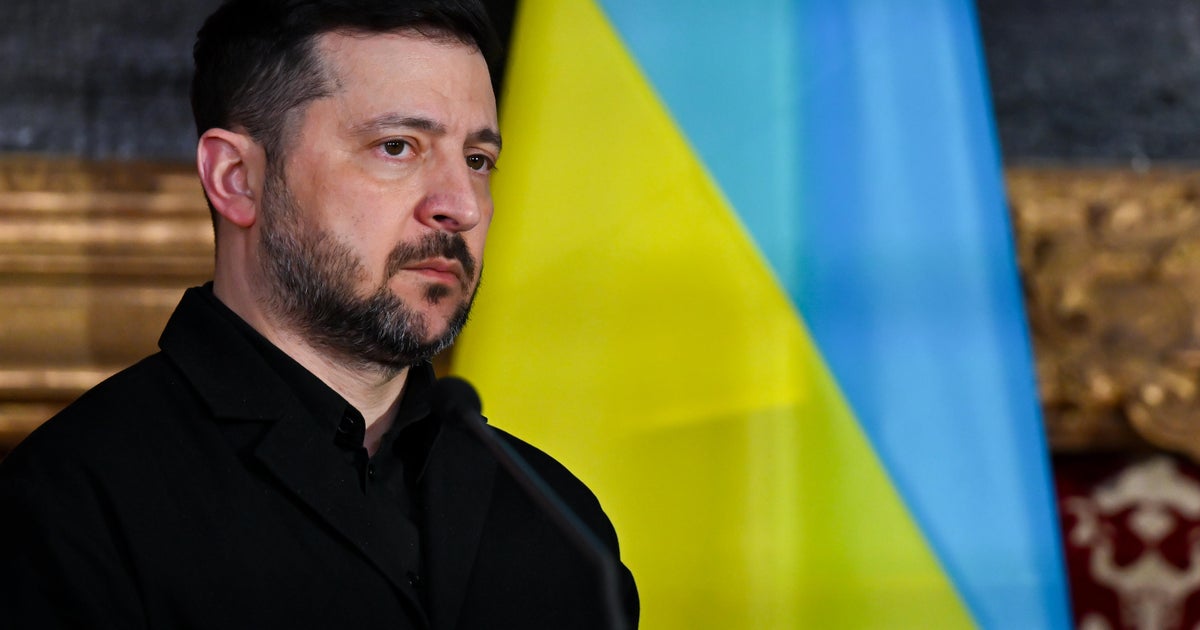
 CBS News
U.S.-brokered Ukraine-Russia talks wrap up with little to show, Zelenskyy accusing Putin of playing for time

 Al Jazeera
Russia-Ukraine talks: All the mediation efforts, and where they stand
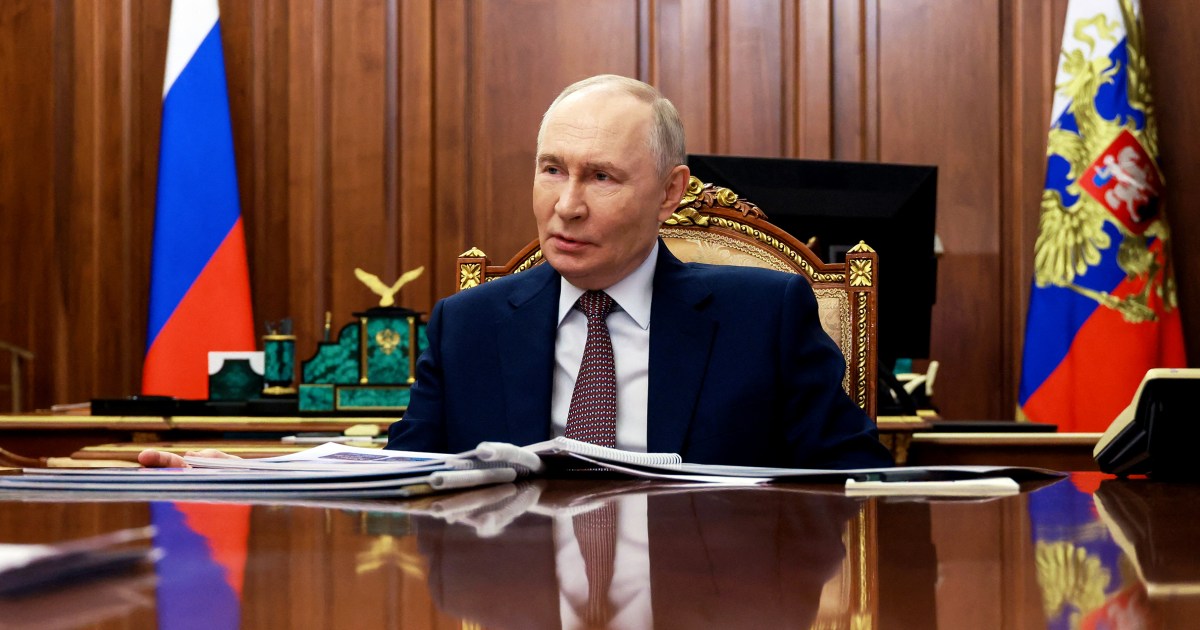
 NBC News
'Difficult' peace talks spotlight Putin's chief negotiator and Ukraine antagonist

 TIME Magazine
Ukraine-Russia Peace Talks End Abruptly
Overview
U.S.-brokered talks in Geneva on February 17-18, 2026 ended without a breakthrough after about two hours of discussions on the second day, participants and officials said.
Territorial issues remain the main obstacle, with Moscow insisting on full control of the eastern Donbas region and Kyiv rejecting any ceding of sovereign territory, officials said.
President Volodymyr Zelensky accused Russia of "trying to drag out negotiations," while Russia’s chief negotiator Vladimir Medinsky called the talks "difficult but businesslike," participants said.
Officials said the parties agreed in January to exchange 314 prisoners of war—157 each—and that Russia occupies roughly 20% of Ukraine with a front line about 1,250 kilometers long.
Delegations said further negotiations will be held soon, with military chiefs expected to discuss ceasefire monitoring and U.S. envoys Steve Witkoff and Jared Kushner continuing to mediate, officials said.
Analysis
Center-leaning sources frame the talks as stalled by Russian intransigence, using loaded verbs ('has not budged,' 'deadlock') and prioritizing Ukrainian perspectives and humanitarian costs. Editorial choices — headline emphasis, selection of Ukrainian quotes and Western impatience — create a cumulative narrative of Ukrainian legitimacy and Russian obstruction, while quoted material remains source content.
FAQ
Territorial disputes over the Donbas region blocked progress, with Russia insisting on full control of eastern Donbas and Ukraine rejecting any ceding of sovereign territory.
The U.S. mediation is led by Special Envoy Steve Witkoff and Jared Kushner, President Donald Trump’s son-in-law.
Zelensky accused Russia of trying to drag out negotiations, while Russia’s chief negotiator Vladimir Medinsky called the talks 'difficult but businesslike.'
The parties agreed in January to exchange 314 prisoners of war, further negotiations will be held soon with military chiefs discussing ceasefire monitoring, and U.S. envoys will continue mediating.
