Trump Presses U.K. Over Diego Garcia Lease
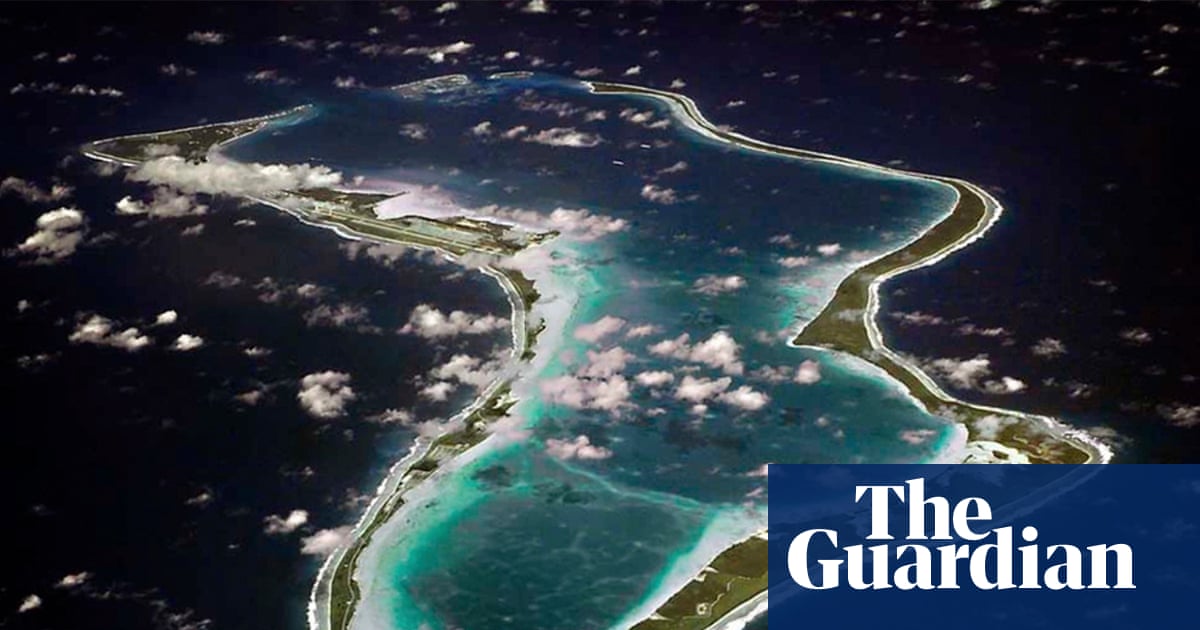
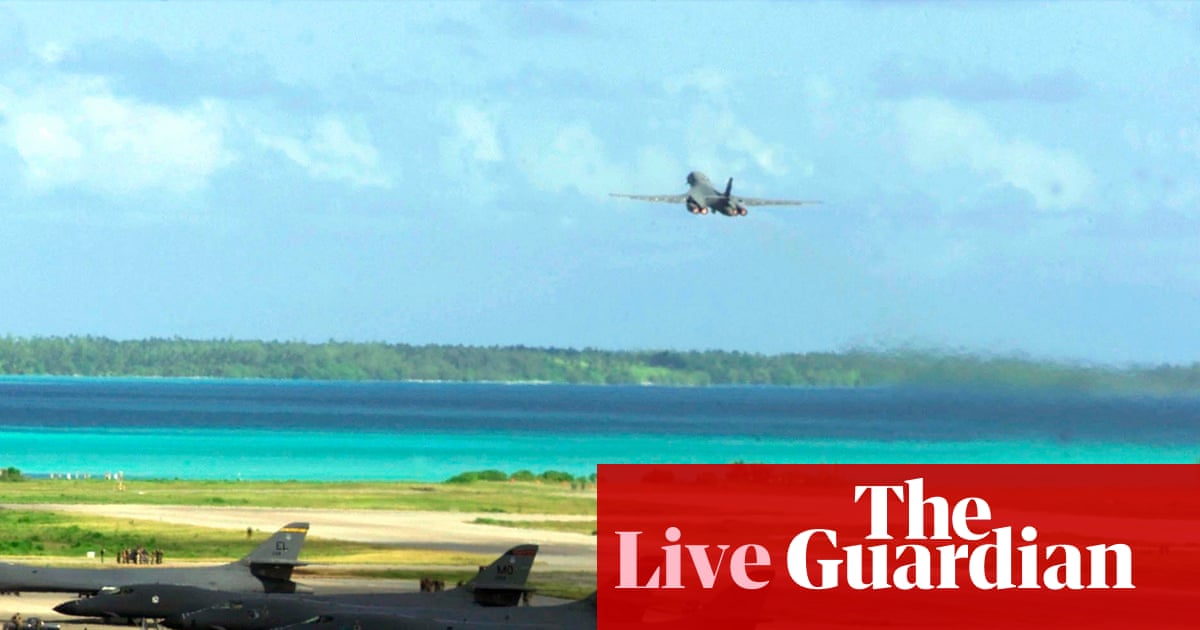
Trump warned Keir Starmer against ceding Diego Garcia, linking the Chagos deal to possible U.S. use of Diego Garcia and RAF Fairford in plans concerning Iran.
 The Guardian
Trump changed mind on Chagos deal ‘after UK blocked use of Diego Garcia for Iran strikes’
 The Guardian
Starmer appoints Antonia Romeo as Britain’s first female cabinet secretary – UK politics live

 TIME Magazine
Trump Warns U.K. Not to 'Lose Control' of Chagos Islands
 BBC News
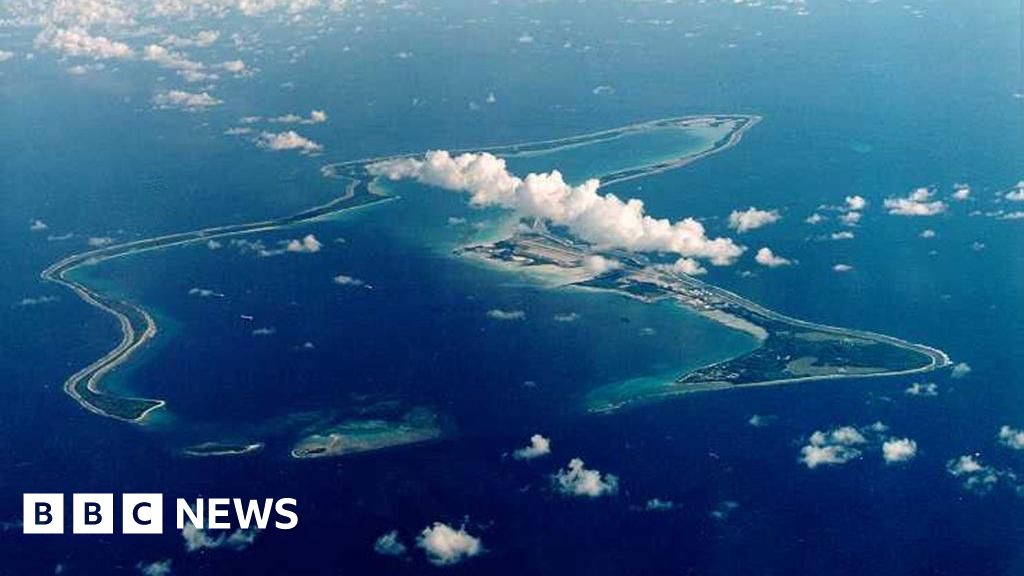
Chagos Islands: Do not give away Diego Garcia, Trump tells UK
Overview
Trump posted on Truth Social urging Prime Minister Keir Starmer not to hand over Diego Garcia, calling the long lease "a big mistake" and linking it to possible U.S. strikes on Iran.
The State Department on Feb. 17 expressed support for the UK-Mauritius agreement that would transfer sovereignty while leasing back Diego Garcia amid planning for possible U.S. use of Diego Garcia and RAF Fairford.
The UK Foreign Office said the deal is crucial to the security of the UK and allies, while Lib Dem leader Ed Davey accused Trump of bullying and called for a Commons vote on the use of UK bases.
The agreement includes a 99-year lease of Diego Garcia reportedly costing around £100 million a year and has drawn a UN committee urging Britain and Mauritius not to ratify the 2025 deal.
The Chagos bill is now not expected back in the House of Lords for several weeks and must be passed before the end of the current parliamentary session in May or be presented again.
Analysis
Center-leaning sources frame the story as a political controversy by foregrounding presidential rhetoric and governmental reactions. Editorial choices—loaded verbs like "stinging criticism" and "fresh attack," lead placement of Trump’s comments, and emphasis on US–UK security—shape a confrontational narrative, while quoted material from Trump, Chagossians and officials remains source content.
FAQ
Diego Garcia is the largest island in the Chagos Archipelago in the central Indian Ocean and serves as a joint UK-U.S. military base.[1] The base carries strategic importance because of growing U.S. competition with China in the Pacific region and Chinese ties with Mauritius.[1] The United States operates the Naval Support Facility on Diego Garcia,[5] making it a critical asset for regional and global security operations.
Under the agreement reached on October 3, 2024, Mauritius gains sovereignty over the entire Chagos Archipelago, including Diego Garcia.[1] However, the UK is authorized to exercise sovereign rights over Diego Garcia for an initial period of 99 years, with provisions requiring Mauritius to ensure the continued operation of the base.[1] The agreement was signed on May 22, 2025, and both countries committed to the long-term, secure, and effective operation of the existing military base.
The agreement has faced political opposition in Washington, London, and Port Louis, with skeptical politicians questioning its terms.[1] Mauritius rejected an initial draft agreement, arguing it was a "sell-out" and that the terms would not benefit the nation long-term, citing concerns about unclear full sovereignty, the UK's unilateral right to extend the agreement for an additional 40 years without Mauritian input, and poorly negotiated financial terms.[3] Additionally, a UN committee urged Britain and Mauritius not to ratify the 2025 deal.[1]
Mauritius has long argued that the UK forced it to surrender the Chagos Islands in return for its independence from the UK in 1968.[1] Two years earlier, London concluded a secret deal with Washington to lease Diego Garcia for use as a military base in return for a $14 million discount off the purchase of U.S. Polaris ballistic missiles for UK submarines.[1] This arrangement has been at the center of decades-long disputes over sovereignty and territorial rights.
Several countries and organizations have welcomed the outcome of the negotiations, including the United States, India, the African Union, and the United Nations.[1] The U.S. State Department expressed support for the agreement on February 17, though the United States is not a formal party to the agreement.[5]