NASA Classifies Starliner Flight As 'Type A' Mishap
NASA classifies June 5, 2024 crewed Starliner flight as a Type A mishap, citing thruster and helium failures, leadership lapses and 61 recommendations before another crewed flight.
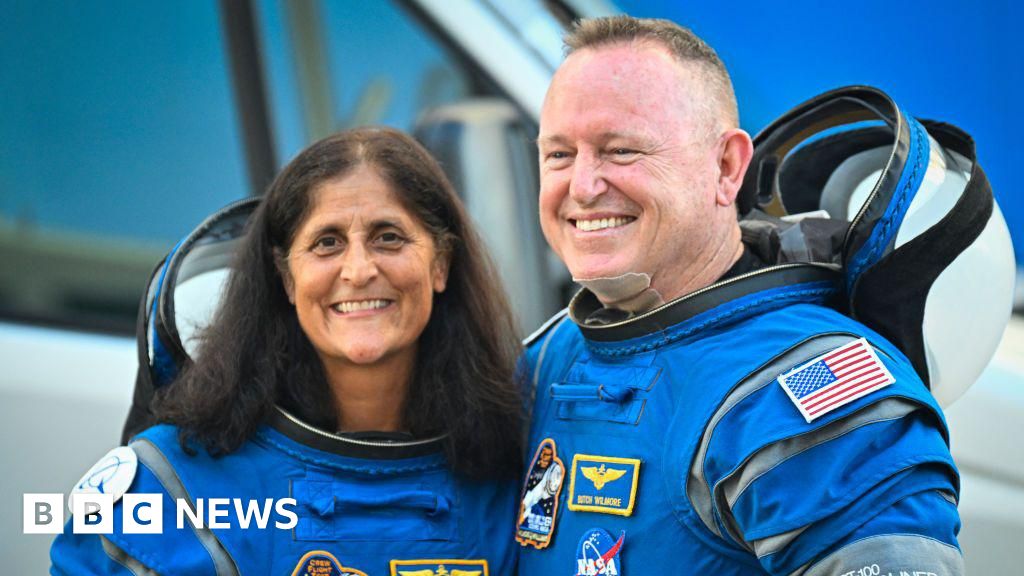
 BBC News
Nasa boss says Boeing Starliner failure one of worst in its history
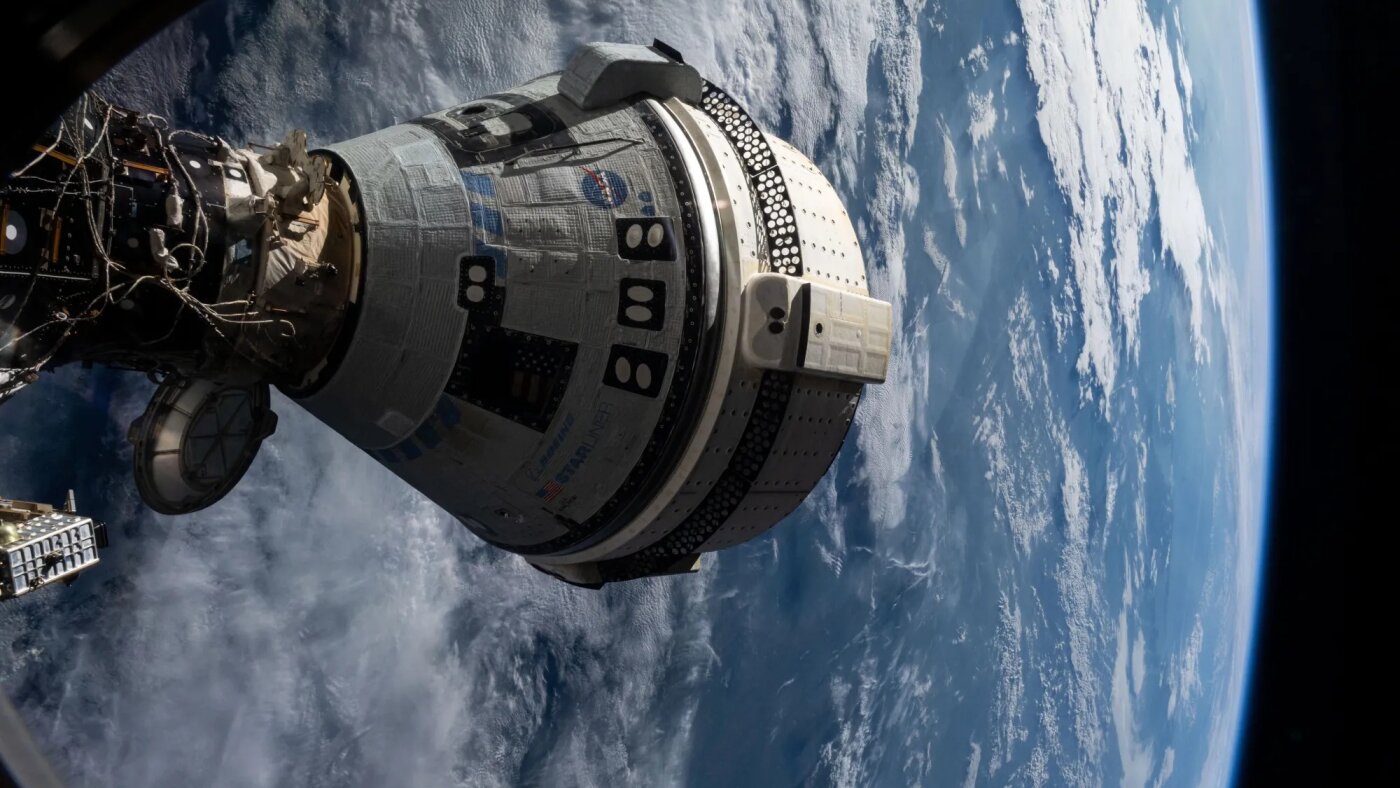
 NPR
NPRNASA chief blasts Boeing, space agency for failed Starliner astronaut mission
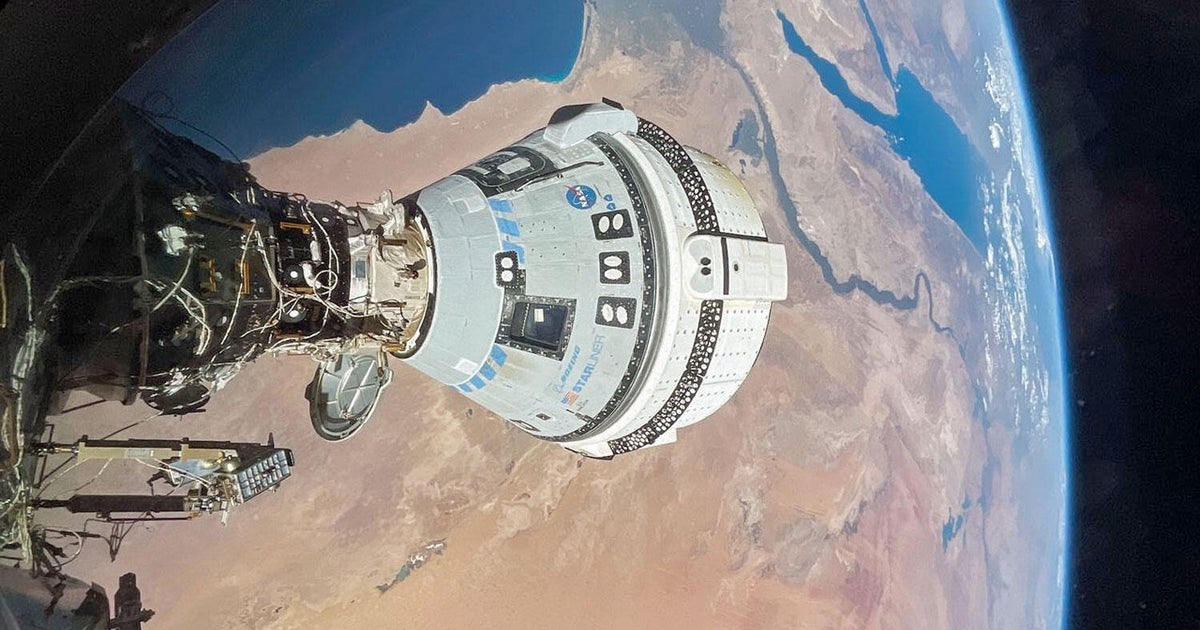
 CBS News
NASA's new chief rebukes Boeing, space agency over problem-plagued Starliner mission that left astronauts stuck in space for months
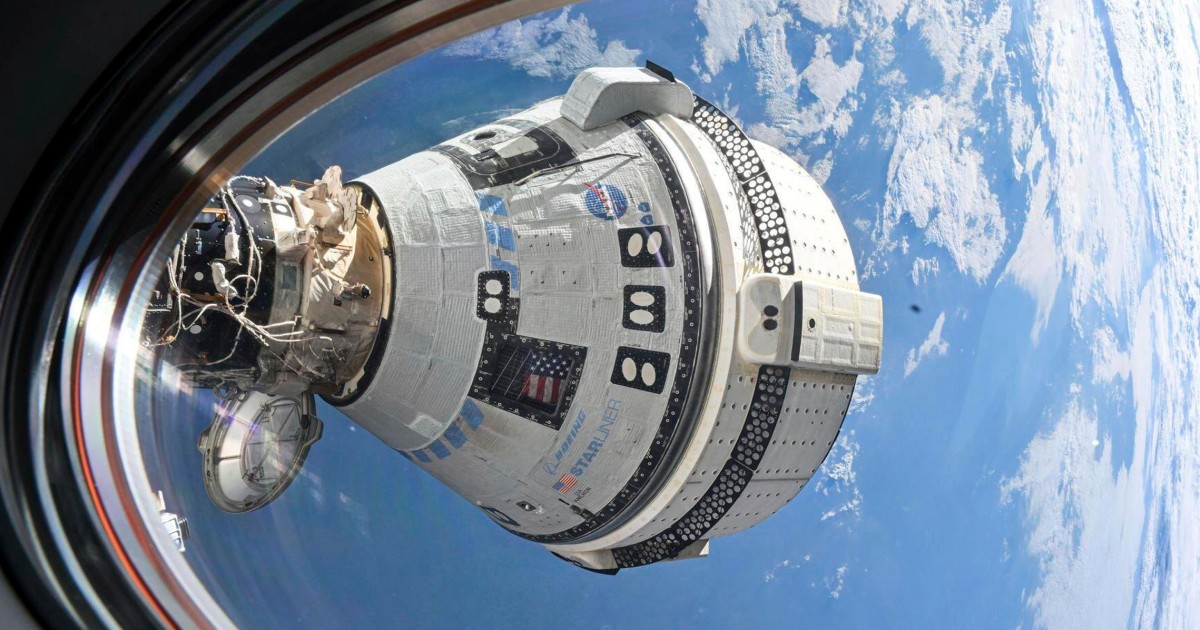
 NBC News
NASA report paints damning picture of Boeing mishap that stranded two astronauts in space
Overview
NASA formally classified the June 5, 2024 crewed Starliner flight as a "Type A" mishap, NASA Administrator Jared Isaacman said.
The designation is NASA's most severe, reserved for events risking death, loss of a vehicle or over $2 million in damage, and matches the designation given to Challenger and Columbia, the report said.
Isaacman blamed poor decision-making and leadership at Boeing and within NASA and said the agency will require leadership accountability, according to the report and his briefing.
Investigators issued 61 formal recommendations and found thruster and helium-propulsion failures that extended a roughly eight-day test into a 286-day stay on the ISS, with the crew returning in March 2025.
NASA said it will not fly another crew on Starliner until technical causes are understood, propulsion is fully qualified and recommendations are implemented, and Boeing said it is working on corrective actions, officials said.
Analysis
Center-leaning sources frame the Starliner failure as primarily an institutional and leadership problem, emphasizing accountability and systemic risk. They foreground NASA chief Jared Isaacman's harsh critique, invoke the Type A classification by comparing it to past disasters, and juxtapose Boeing's cautious statement and an expert calling for greater contractor oversight.
FAQ
The investigation identified multiple thruster failures and helium-propulsion system anomalies that caused the spacecraft to lose control authority while in orbit. Investigators found an interplay of combined hardware failures, qualification gaps, and design vulnerabilities in Boeing's propulsion system. Specifically, the spacecraft experienced temporary loss of 'six degree of freedom' control—the ability to precisely maintain its desired orientation and trajectory—and later encountered an unexpected crew module propulsion failure during reentry that lacked fault tolerance throughout the return to Earth's atmosphere.
NASA Administrator Jared Isaacman stated that programmatic advocacy—the desire to have two providers capable of transporting astronauts to and from orbit—surpassed acceptable limits and influenced engineering and operational decisions during the mission. Isaacman acknowledged that NASA managed the contract, accepted the vehicle, and launched the crew, taking significant responsibility for the decision-making failures. NASA has committed to correcting these mistakes and ensuring leadership accountability so similar situations never recur.
Astronauts Butch Wilmore and Suni Williams were stranded on the International Space Station for approximately nine months after their planned 8-14 day mission was extended to 93 days due to thruster issues. NASA ultimately decided to return the Starliner spacecraft uncrewed on September 6, 2024. Williams and Wilmore were subsequently assigned to the NASA-SX Crew-9 mission, returning to Earth in March 2025 aboard a Dragon spacecraft that arrived in September 2024, carrying only two additional crew members instead of the usual four to accommodate the stranded astronauts.
A 'Type A mishap' is NASA's most severe classification, reserved for events with potential for significant mishap, risk of death, loss of a vehicle, or over $2 million in damage. NASA classified the Starliner flight in this category—the same designation applied to the Challenger and Columbia space shuttle disasters—recognizing there was potential for a catastrophic outcome. NASA Associate Administrator Amit Kshatriya stated, 'We almost did have a really terrible day,' emphasizing that had different decisions been made or had thrusters not been recovered, the mission outcome could have been drastically different.
NASA will not send another crew on Starliner until: technical issues are thoroughly understood and resolved, the problematic propulsion system is fully qualified, and all 61 formal recommendations issued by investigators are implemented. Boeing and NASA have been working together since the spacecraft returned to identify and address the challenges encountered, with technical root cause work continuing. Both organizations must complete corrective actions and demonstrate that Starliner meets NASA's human spaceflight safety standards before resuming crewed operations.