Pentagon Airlifts 5-MW Microreactor to Utah
A C-17 flew a 5-megawatt unfueled microreactor from California to Utah on Feb. 15 as officials seek faster commercial licensing and portable nuclear power for AI, data centers and the military.
 PBS NewsHour
U.S. military airlifts small reactor for the first time as Trump pushes to quickly deploy nuclear power

 Joe.My.God.
Feds Perform First Airlift Of Small Nuclear Reactor - Joe.My.God.
 Fortune
U.S. military airlifts small nuclear reactor for the first time, flying a minivan-sized microreactor nearly 700 miles on a C-17 | Fortune

 NPR
NPRUS military airlifts small reactor as Trump pushes to quickly deploy nuclear power
Overview
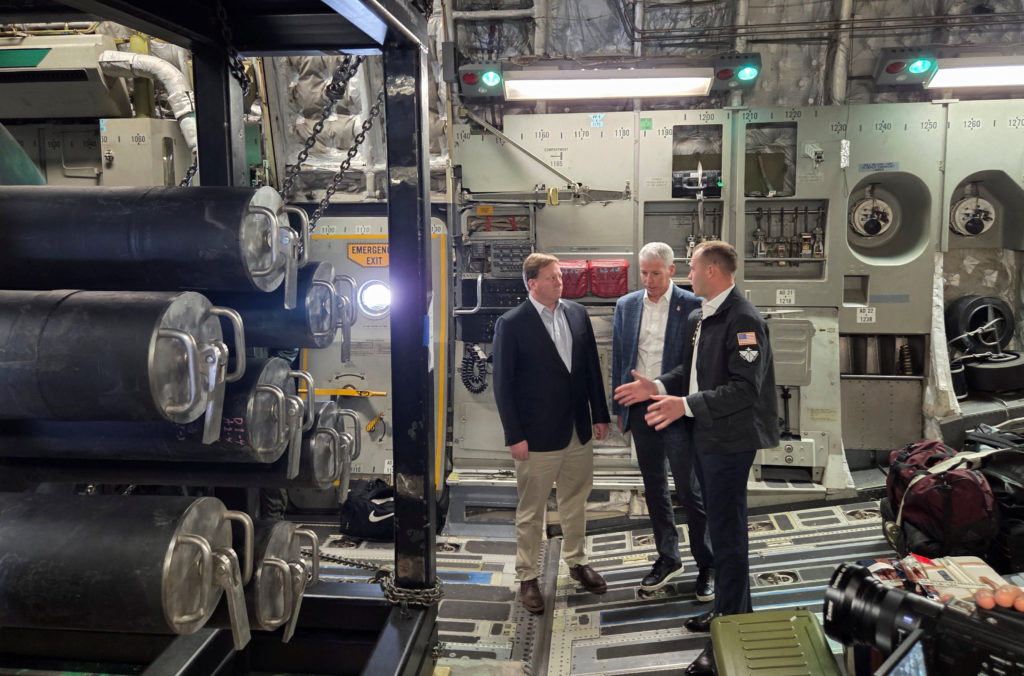
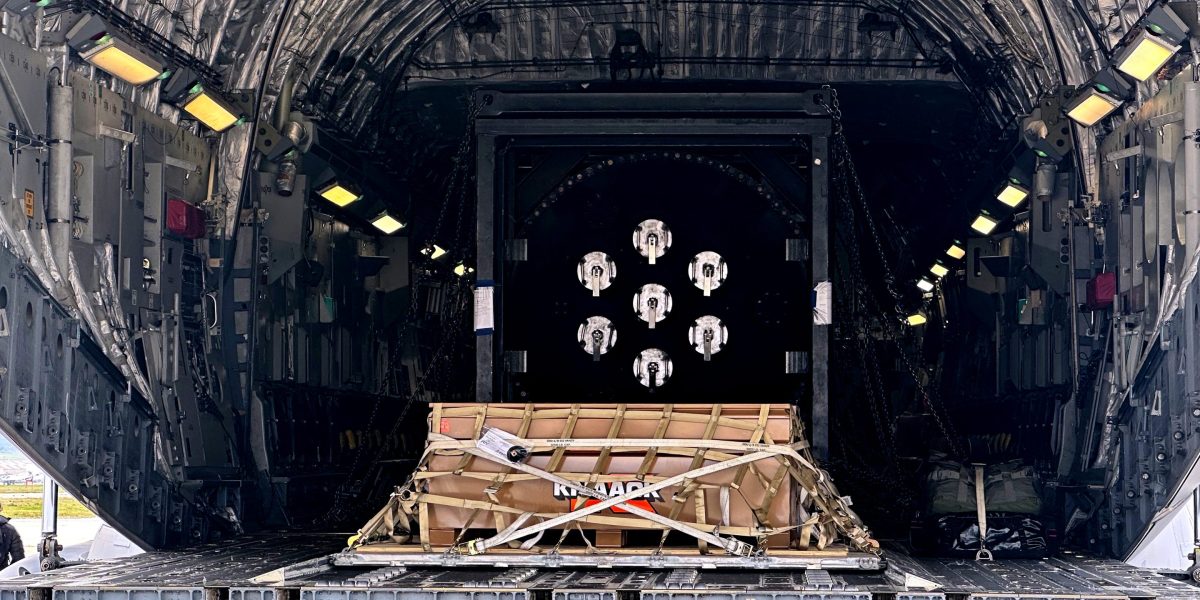
On Feb. 15 a C-17 airlifted a 5-megawatt microreactor without nuclear fuel from March Air Reserve Base in California to Hill Air Force Base in Utah, officials said.
Officials said the flight was presented as a demonstration of U.S. capability to quickly deploy portable nuclear power to meet demand from artificial intelligence, data centers and military needs.
Energy Secretary Chris Wright and Undersecretary of Defense Michael Duffey hailed the trip as a breakthrough for fast-tracking commercial licensing and deploying portable reactors, officials said.
The reactor can generate up to 5 megawatts, which Valar Atomics CEO Isaiah Taylor said is enough to power about 5,000 homes, and the company hopes to begin test power sales next year and commercial operations in 2028, officials said.
The microreactor will be tested at the Utah San Rafael Energy Lab with fuel to be provided by the Nevada National Security Site, and officials said at least three microreactors are expected to reach criticality by July 4.
Analysis
Center-leaning sources frame the story as a policy-driven push stressing innovation, national-security utility and speed while acknowledging safety and waste concerns. Editorial choices foreground administration and industry enthusiasm in leads, later adding skeptical expert comment; language such as 'brushed those concerns aside' and noting rollback of regulatory authority tilts coverage toward momentum.
FAQ
A microreactor is a small advanced nuclear reactor that can produce between 1 to 5 megawatts of electrical power and is designed to be transportable by truck or shipping container.[2][3] Unlike traditional large nuclear power plants, microreactors can operate for several years without refueling, do not require connection to commercial power supplies, and can be efficiently manufactured in factories as turn-key projects.[3] The Pentagon's microreactors are specifically designed as portable energy systems that can be transported prior to operation to quickly power military installations and other critical facilities.[3]
The military is prioritizing microreactors to enhance energy resilience, security, and reliability at installations, particularly isolated bases vulnerable to cyberattacks and natural disasters.[1] Microreactors offer on-site electrical and thermal energy generation that can provide energy independence without reliance on commercial power supplies.[1] Remote bases like Eielson Air Force Base in Alaska, where extreme winter temperatures exceed -50 degrees and drive substantial fuel costs, stand to benefit significantly from this technology.[1] Additionally, the Pentagon views portable nuclear power as critical for meeting increasing energy demands at military bases and supporting national security infrastructure.[2]
An executive order directs the Army to establish a program for deploying advanced nuclear reactors with the goal of operating a nuclear reactor at a domestic military base by September 30, 2028.[4] The Pentagon's Advanced Nuclear Power for Installations program aims to build microreactors at two military installations by 2030.[5] Project Pele, the Department of Defense's transportable microreactor demonstration project, was expected to operate at Idaho National Laboratory as early as 2026.[2] For the Valar microreactor transported to Utah, officials stated that at least three microreactors are expected to reach criticality by July 4, 2026, with the company hoping to begin test power sales next year and commercial operations in 2028.[6]
Critics have raised concerns that microreactors could be vulnerable targets during conflict, citing the recent war in Ukraine as highlighting the vulnerability of nuclear facilities during crises.[3] However, military experts counter that microreactors are transportable only prior to operation—not mobile during operation—and are not open targets like traditional reactors.[3] Military installations have adequate protective infrastructure to house critical supply lines, including the capability to site reactors entirely underground, which provides advantages for quickly powering military camps during crises.[3] The Pele reactor demonstration is being conducted under the safety oversight of the Department of Energy's Idaho Operations Office with expertise from the Nuclear Regulatory Commission and other federal agencies.[2]
Eielson Air Force Base in Alaska has been selected as the top choice for the military's first microreactor pilot project under a contract with Oklo.[1][5] The Air Force announced in April that it could equip up to nine bases with microreactors, though specific locations beyond Eielson have not been publicly identified.[1] The Pentagon's Advanced Nuclear Power for Installations program selected eight firms eligible for contracts to build microreactors at various installations, but Army and Air Force officials stated they did not have details as to which specific installations might feature reactors.[1][4] If the Eielson pilot project proves successful, additional microreactors could be deployed to more bases in the future.[5]

