U.S.-Backed Talks Fail as Ukraine War Stalls and Costs Mount
A year of U.S.-led negotiations has produced no peace as battlefield stalemate, heavy casualties and $588bn reconstruction needs leave Ukraine and Russia locked in attrition.

 New York Daily News
Zelenskyy says Putin has ‘not broken’ Ukrainians as he marks 4 years since Russia’s all-out invasion
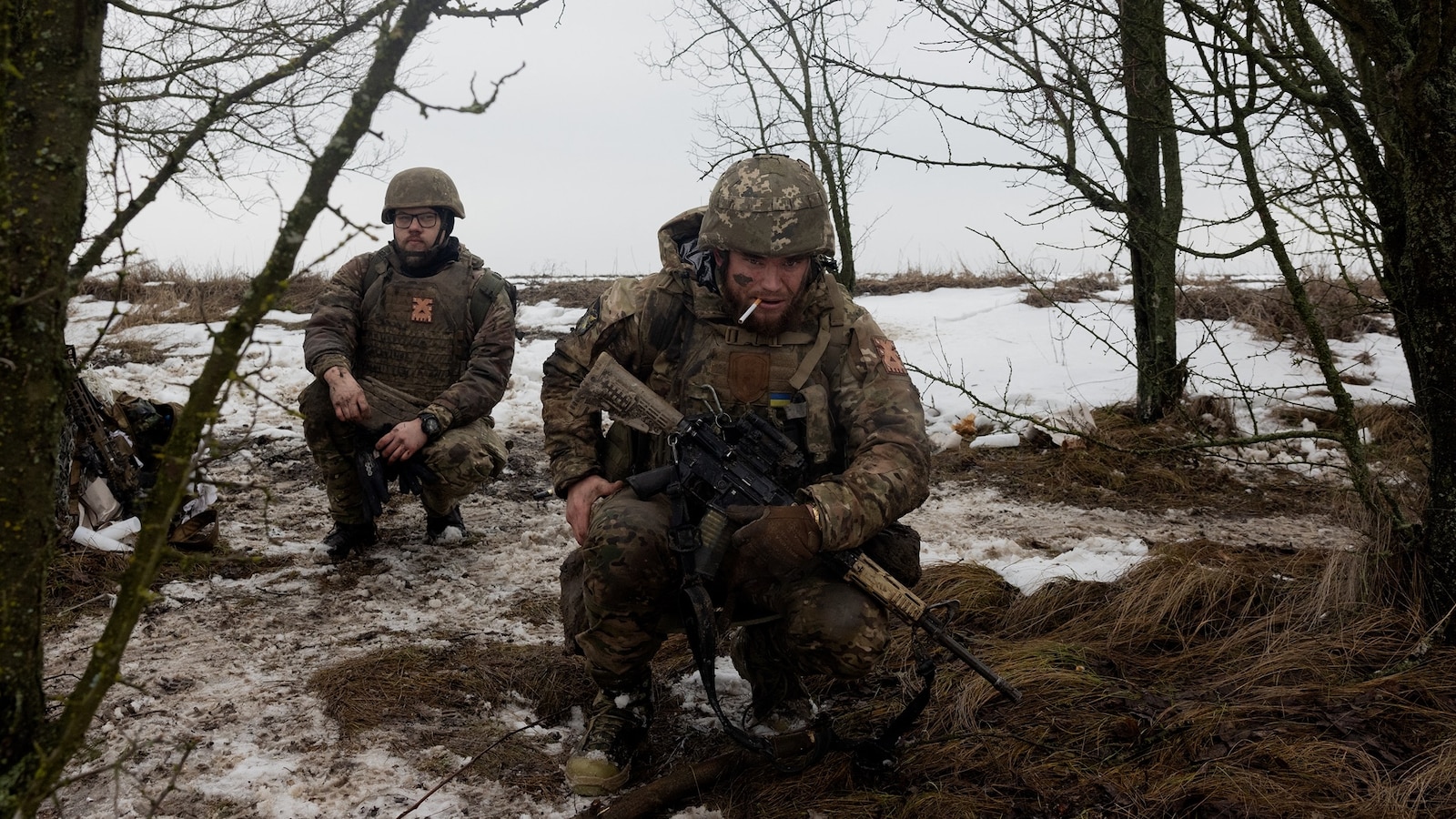
 ABC News
Ukraine and Russia ravaged by 4 years of full-scale war without an ending in sight

 TIME Magazine
In Media Blitz, Zelensky Talks WWIII and Future Ukrainian Elections
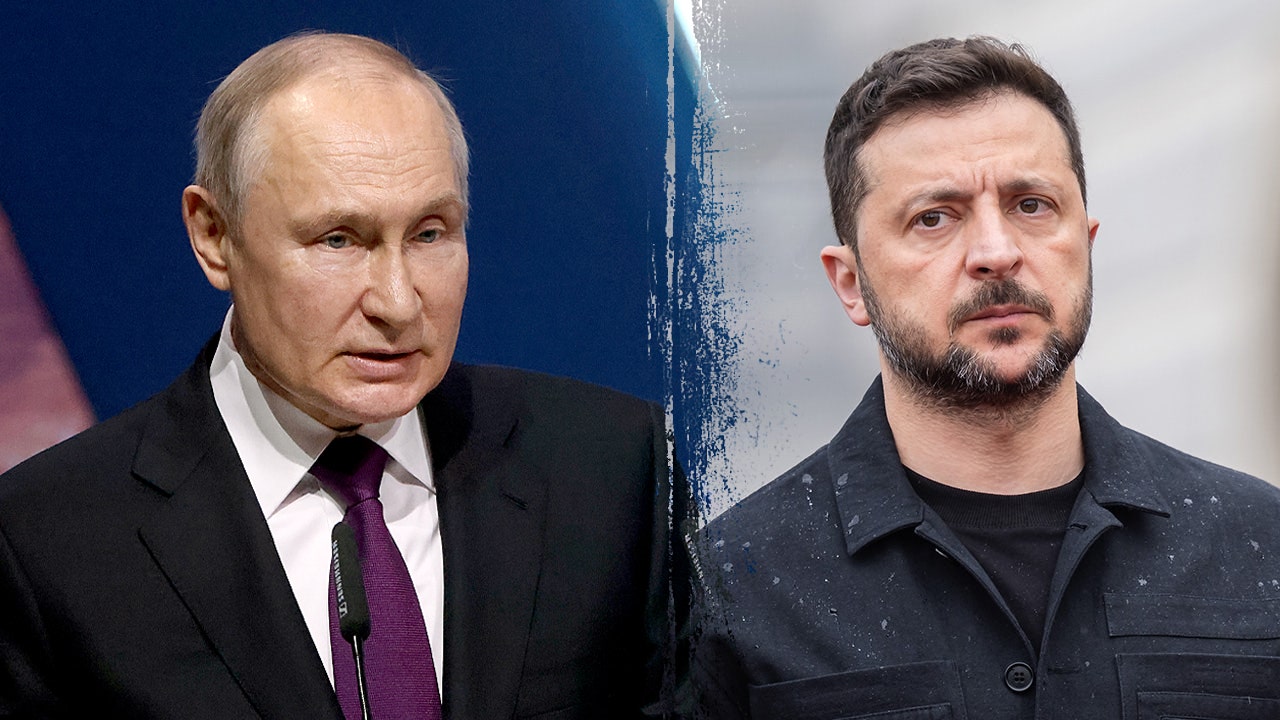
 FOX News
Russia’s war against Ukraine enters fifth year as experts outline 3 possible outcomes
Overview
A year of U.S.-backed talks, including summit meetings, has failed to produce a deal to end the war that began on Feb. 24, 2022, observers said.
The conflict has entered its fifth year with intense fighting, a rise in drone strikes and attacks on energy infrastructure that have left millions without heat and power.
President Volodymyr Zelenskyy said Russia ‘has not achieved his goals’ and vowed to secure a ‘strong, dignified, and lasting peace,’ while Kremlin spokesman Dmitry Peskov said the military operation continues.
The human toll is vast: the U.N. verified at least 15,172 civilian deaths and 41,378 injuries, and CSIS estimates up to 1.2 million Russian and up to 600,000 Ukrainian casualties through December 2025.
Europe has stepped up support and is developing a multinational peacekeeping force while the U.S. shifts to selling weapons via NATO channels, but negotiations remain deadlocked over Donbas, security guarantees and occupied territory.
Analysis
Center-leaning sources frame the conflict as an unjust Russian aggression and Ukrainian resistance, using loaded descriptors (e.g., 'invasion,' 'aggressor,' 'deadliest war...'), foregrounding Ukrainian leaders, civilians and Western allies, and contextualizing Kremlin statements as labeled euphemisms ('special military operation'). Editorial emphasis, human stories, and selective hierarchy reinforce a pro‑Ukraine narrative.
FAQ
The primary obstacles are territorial control, security guarantees, and the status of occupied regions. Russia demands Ukrainian withdrawal from Donbas (Donetsk and Luhansk), while Ukraine opposes ceding territory without reciprocal Russian pullbacks and proposes freezing lines along the current contact line[1][3]. Ukraine seeks NATO-backed security guarantees, while Russia demands neutrality[2]. Additionally, control of the Zaporizhzhia nuclear plant remains unresolved, with the U.S. proposing joint oversight that Kyiv rejected[1]. Experts note these positions reflect incompatible security interests and identity-based narratives that risk political survival for both Putin and Zelenskyy[2].
Despite Trump's claim in December 2025 that a deal was "close to 95% done," the remaining disagreements involve fundamental issues on which neither side has conceded[4]. A source close to the Ukrainian government stated that "the [remaining] 5% is the bulk of the substance" and "none of this stuff has been agreed to," with Russia refusing to agree on key Ukrainian demands[4]. Experts note that Trump's process is closer to freezing the conflict than achieving a sustainable settlement, and both sides continue to shift responsibility for stalled progress onto each other while seeking increased American pressure[2]. The core structural incompatibilities between Russian and Ukrainian objectives make a final settlement "structurally out of reach"[2].
The human toll is severe: the UN verified at least 15,172 civilian deaths and 41,378 injuries, while CSIS estimates up to 1.2 million Russian and up to 600,000 Ukrainian casualties through December 2025[1]. Beyond casualties, Russia's bombardment has targeted vital energy infrastructure, leaving millions without power—Russian air attacks cut power to 1.2 million Ukrainian properties during a recent weekend alone[1]. The reconstruction needs are estimated at $588 billion, placing immense economic strain on Ukraine[1]. This winter has been particularly brutal, with locals reportedly drained of morale over the seemingly endless conflict[3].
Ukraine's goals have evolved significantly as the conflict has dragged on. Earlier, Ukraine sought to regain its 1991 borders or at least territories lost after 2022, but now a freeze along current front lines is increasingly seen as an acceptable outcome[2]. However, President Zelenskyy remains adamant that Ukraine cannot make major territorial concessions, stating it would be "a big mistake to allow [an] aggressor to take something" and warning that such withdrawal would "divide our society"[3]. This reflects both the exhaustion of the Ukrainian population and Zelenskyy's political constraints—any significant compromise risks domestic backlash and potential dissent within Kyiv's leadership[4].
Experts suggest the most realistic outcome is a **ceasefire along current lines with unresolved status**, similar to the Korean peninsula situation, rather than a comprehensive peace agreement[2]. While both Moscow and Kyiv appear committed to keeping the negotiation process alive, and we are "arguably closer to the end of the war than we were in early 2025," a final settlement remains structurally difficult[2]. The path forward likely requires **strategic ambiguity**—limited security guarantees for Ukraine without NATO membership—as this offers the only middle ground between Ukraine's NATO aspirations and Russia's demands for neutrality[2].

