China Restricts Dual-Use Exports to 40 Japanese Entities Amid Tensions
Beijing barred dual-use exports to 20 firms and placed 20 more on a watchlist, citing concerns about Japan's remilitarization after Prime Minister Sanae Takaichi's November remarks and recent election win.




Overview
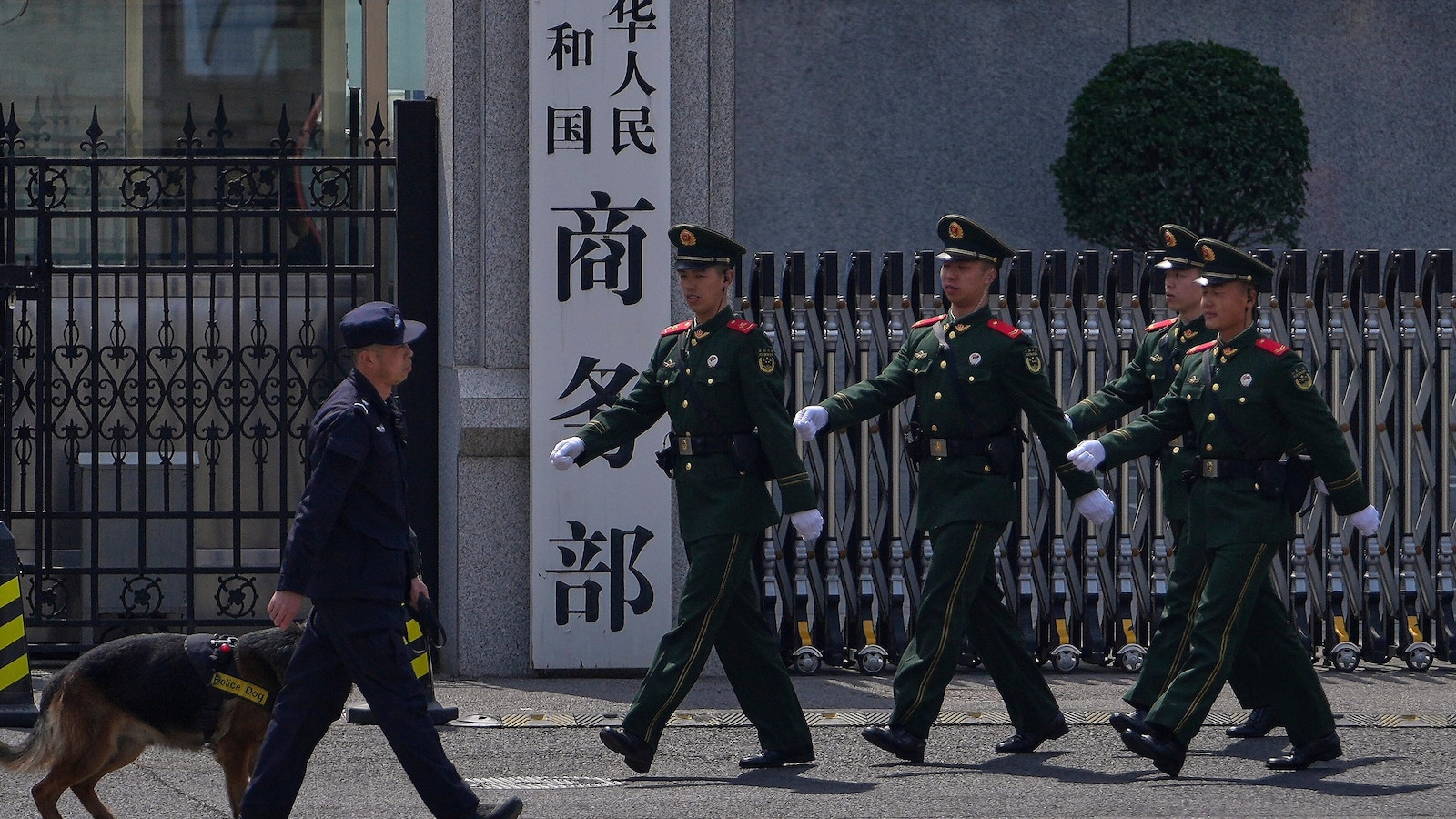
China's Commerce Ministry on Tuesday restricted exports of dual-use items to 20 Japanese companies and put 20 more on a watchlist, saying the steps aim to curb Japan's remilitarization.
Beijing cited Prime Minister Sanae Takaichi's November implication that Japan could intervene if China attacked Taiwan and her landslide election earlier this month as context for the measures.
Tokyo issued a formal protest to China's Deputy Chief of Mission Shi Yong, and Deputy Chief Cabinet Secretary Kei Sato called the measures 'deplorable' and 'never to be tolerated,' the Japanese Foreign Ministry said.
The lists include Mitsubishi Heavy Industries' shipbuilding and aerospace subsidiaries, Kawasaki Heavy Industries, Fujitsu, Subaru, ENEOS Corporation, Mitsubishi Materials, the Japan National Defense Academy and the Japan Aerospace Exploration Agency.
China said the measures target only a small number of entities and 'will not affect normal economic and trade exchanges,' while Tokyo said it would 'take actions accordingly' and examine the measures' contents.
Analysis
Center-leaning sources frame China’s actions as coercive and reactive, emphasizing escalation and economic pressure while treating Japanese concerns about remilitarization as legitimate. Editorial choices—words like "reacted angrily" and "hardened," selection of industry-impact details, and reliance on Financial Times analysis—foreground a narrative of Chinese aggression and practical disruption.
FAQ
Dual-use items are products that have both civilian and military applications, such as materials and technologies that can contribute to weapons development or military systems.
The blacklist includes subsidiaries of Mitsubishi Heavy Industries (shipbuilding and aerospace), Kawasaki Heavy Industries, IHI Corporation, the Japan National Defense Academy, and Japan Aerospace Exploration Agency (JAXA).
China cited concerns over Japan's remilitarization, referencing Prime Minister Sanae Takaichi's November remarks implying military intervention if China attacked Taiwan and her recent election win.
Japan issued a formal protest to China's Deputy Chief of Mission, with Deputy Chief Cabinet Secretary calling the measures 'deplorable' and 'never to be tolerated', and stated it would take actions accordingly.
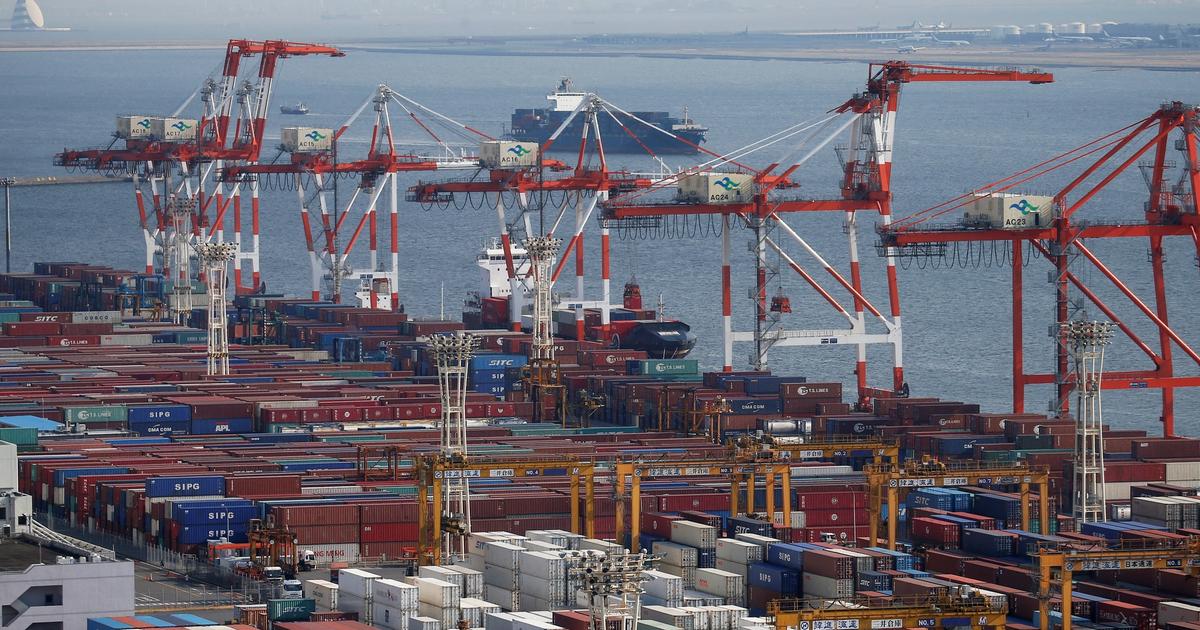
The restrictions could disrupt trade flows in Japan's automotive, semiconductor, and defense sectors, affecting supply chains for critical materials and requiring enhanced due diligence and alternative sourcing.

