Mexico Says World Cup Safe After Cartel Leader Killed
Military killed cartel leader Nemesio Rubén Oseguera Cervantes, sparking reprisals that blocked almost 100 roads and killed dozens; Mexico insists World Cup venues remain secure.



Overview
Mexico's military killed Nemesio Rubén Oseguera Cervantes, the Jalisco New Generation Cartel leader, during a dawn raid, and he died while being airlifted to hospital.
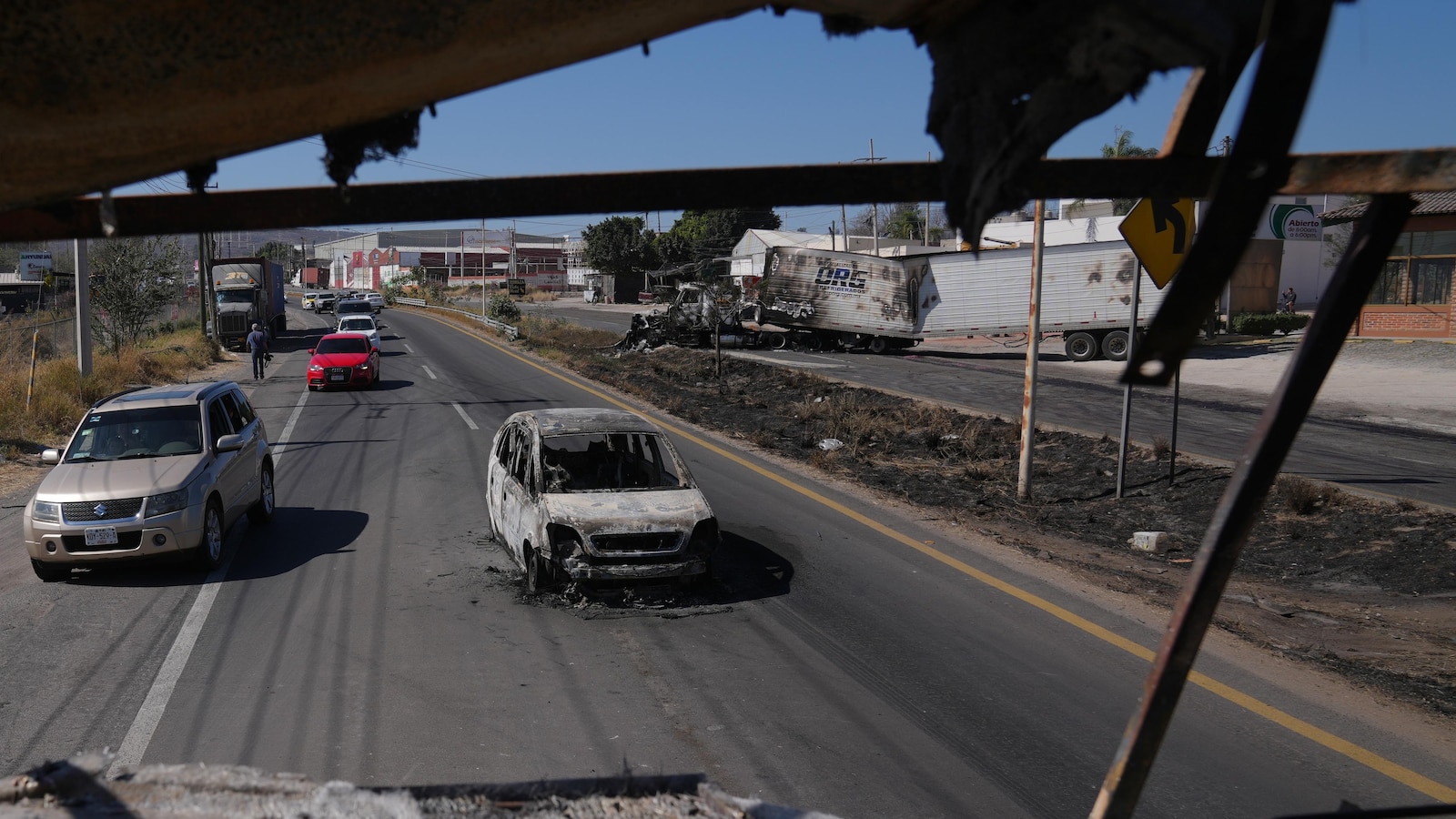
Followers of El Mencho immediately blocked almost 100 major roads and attacked National Guard bases, particularly in Jalisco and Michoacán, triggering widespread clashes.
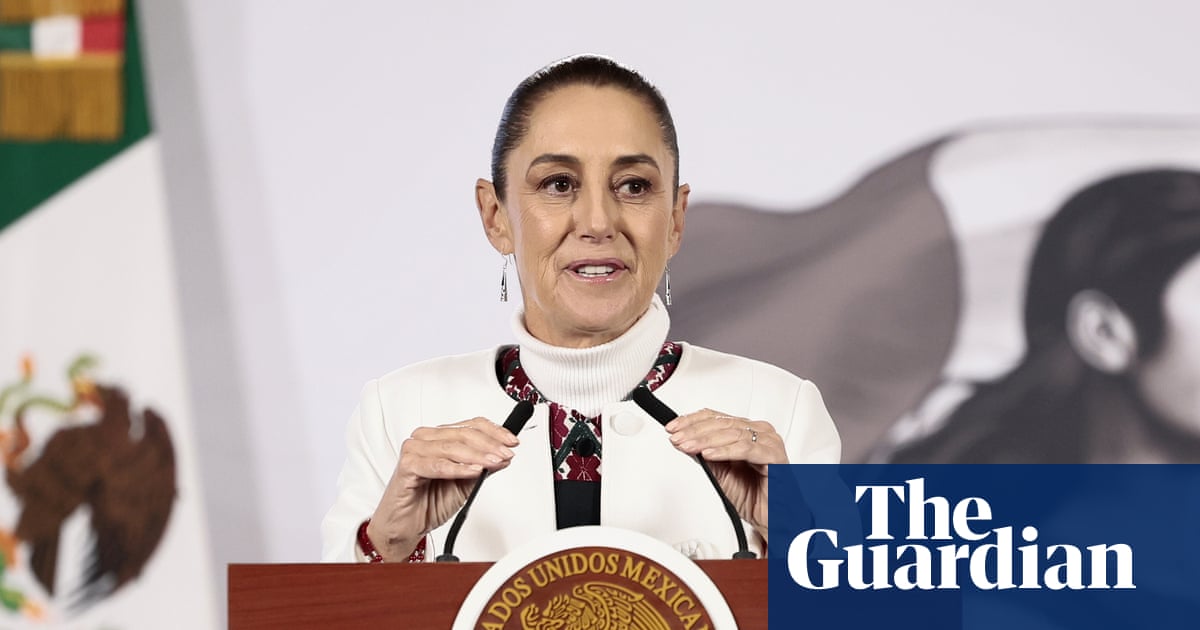
President Claudia Sheinbaum said there is "no risk" for visitors and offered "all the guarantees" for Mexico's World Cup matches, and FIFA boss Gianni Infantino said he was "very reassured".
Officials said at least 25 soldiers and 34 cartel gunmen died in the fighting, while other reports put the death toll at about 70, and tourist areas including Puerto Vallarta and Tapalpa reported disruptions.
Sheinbaum said she was considering legal action against Elon Musk over comments alleging she took orders from traffickers, and authorities and residents said they remain watchful as some cities gradually reopen.
Analysis
Center-leaning sources frame the story as a security threat undermining Mexico’s World Cup readiness by leading with a vivid gunfire anecdote and casualty figures while highlighting cartel history. Editorial choices amplify doubts; skeptical resident quotes and official reassurances are source content presented as counterpoints.
FAQ
Mexican authorities are expected to significantly increase security presence in Guadalajara ahead of the tournament. According to Tim Meehan, security director at International SOS,
El Mencho's death is significant because he led the Jalisco New Generation Cartel, described as "probably the most violent and almost certainly the best armed" criminal organization in Mexico, despite not being the largest. His death could lead to internal fractures that weaken the group or create opportunities for rival cartels, potentially destabilizing the criminal landscape in the region. The immediate aftermath saw over 70 people killed in retaliatory attacks, roadblocks, and arson across Jalisco and other states.
As of now, FIFA has not released any statement regarding changes to World Cup match locations in Mexico. FIFA stated it is "closely monitoring the situation and was in close contact with the authorities" and requested detailed security briefings focused on Guadalajara. Sources indicate that local organizers held conversations with FIFA to confirm security conditions will be met, with further meetings expected to outline specific security measures during the tournament.
Security experts note that the violent reaction to El Mencho's death "will be in people's minds," and public perception could significantly influence travel decisions in the months leading up to the tournament. However, Mexico's President Claudia Sheinbaum has insisted there is "no risk" to fans visiting for matches and offered "full guarantees" for visitor safety, with FIFA expressing reassurance about the security situation.
Mexico will host World Cup matches in three cities: Mexico City (5 matches including the opening game), Monterrey (4 matches), and Guadalajara (4 matches). The recent cartel violence has been concentrated primarily in Jalisco state, where Guadalajara is located, with security alerts reported across roughly 20 Mexican states. Monterrey in Nuevo León has seen an increase in security presence, while Mexico City remains less directly impacted by the violence.