U.S. Military Buildup Raises Fears Ahead Of Geneva Talks
At least 16 U.S. Navy ships and two carriers are deployed as Iranians await Geneva talks seen as a last chance to avert a potential U.S.-Iran conflict.
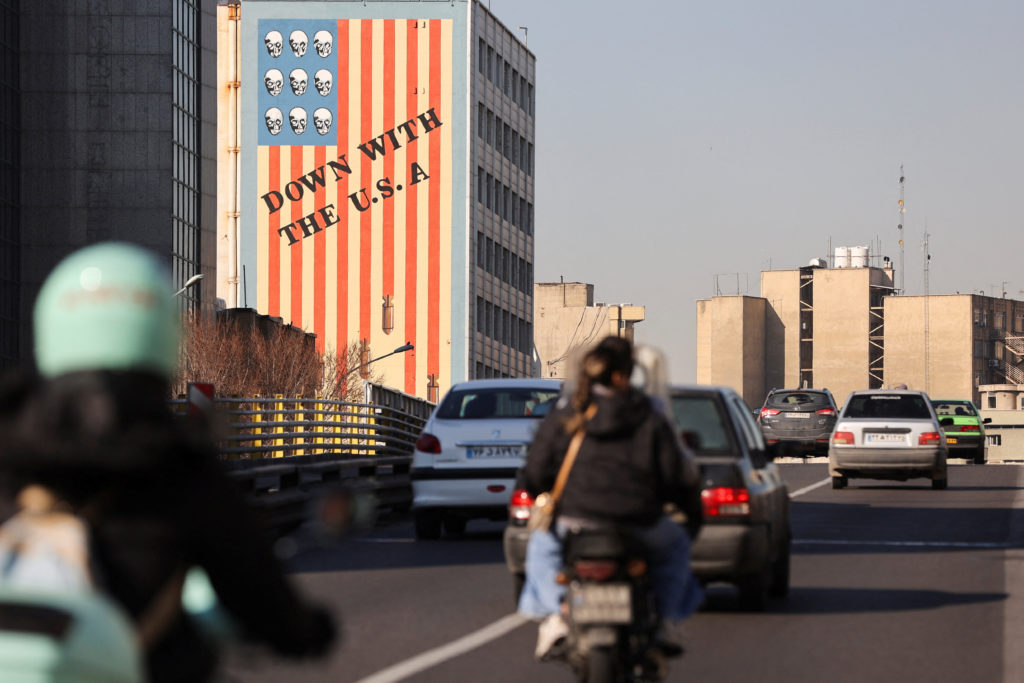

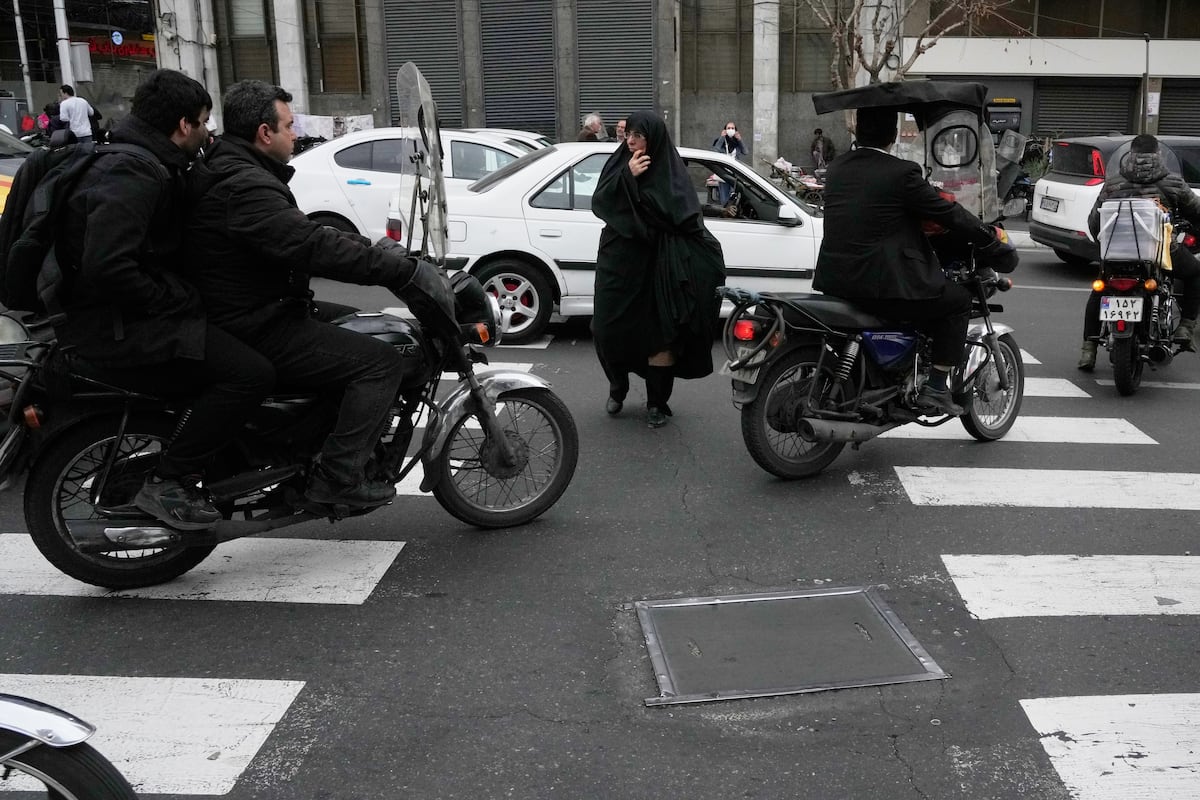


Overview
The United States has deployed at least 16 Navy ships near Iran, including the carriers USS Abraham Lincoln and USS Gerald R. Ford, according to an analysis by the Center for Strategic and International Studies.
Iranians are awaiting talks in Geneva this week that many see as a last chance for their ruling theocracy to strike a deal with President Donald Trump, reporting said.
Residents and protesters described fear of war and despair over the economy after a January crackdown that killed thousands and detained tens of thousands, reporting said.
Estimates of the death toll vary from thousands to reports of more than 30,000 killed, while the rial plunged to 1.42 million per dollar and food prices rose 70 percent, reporting said.
The standoff persists because Tehran insists on continuing uranium enrichment while the United States demands stopping enrichment and curbs on ballistic missiles and proxy support, reporting said.
Analysis
Center-leaning sources emphasize Iranian civilian fear and vulnerability, using evocative terms ("bloodiest crackdown," "armada") and human-interest quotes; they prioritize street voices and state-media reactions while offering limited U.S. strategic justification. These editorial choices — language, source selection, and anecdote placement — frame diplomacy as a last-chance, humanitarian-centered narrative.
FAQ
The original story references at least 16 U.S. Navy ships, including carriers USS Abraham Lincoln and USS Gerald R. Ford, deployed near Iran. Search results confirm a massive U.S. military build-up in the Middle East to pressure Iran.
The third round of negotiations is set for February 26, 2026, in Geneva, Switzerland, involving U.S. envoys Steve Witkoff and Jared Kushner, Iranian Foreign Minister Abbas Araghchi, and possibly Oman's foreign minister and IAEA head[1].
Key issues include Iran's uranium enrichment (U.S. demands halt or curbs, Iran insists on continuation for medical purposes), ballistic missiles, proxy support, and Iran's enriched uranium stockpile (U.S. wants transfer to third country)[1].
A senior U.S. official indicated discussions on an interim nuclear deal may occur in Geneva; an Iranian representative saw possibility, but Iran's Foreign Ministry spokesperson dismissed it. It could allow Iran to delay while focusing only on nuclear issues initially.
Following a January crackdown killing thousands (estimates up to 30,000) and detaining tens of thousands, there's fear of war, economic despair with rial at 1.42 million per dollar and 70% food price rise. Trump threatened intervention but shifted to nuclear focus[5].
