CJNG Plots Succession After El Mencho’s Death, Threatening New Violence
El Mencho’s killing on February 22 triggered nationwide blockades and raises stakes over control of the CJNG’s global drug, fuel and extortion networks.


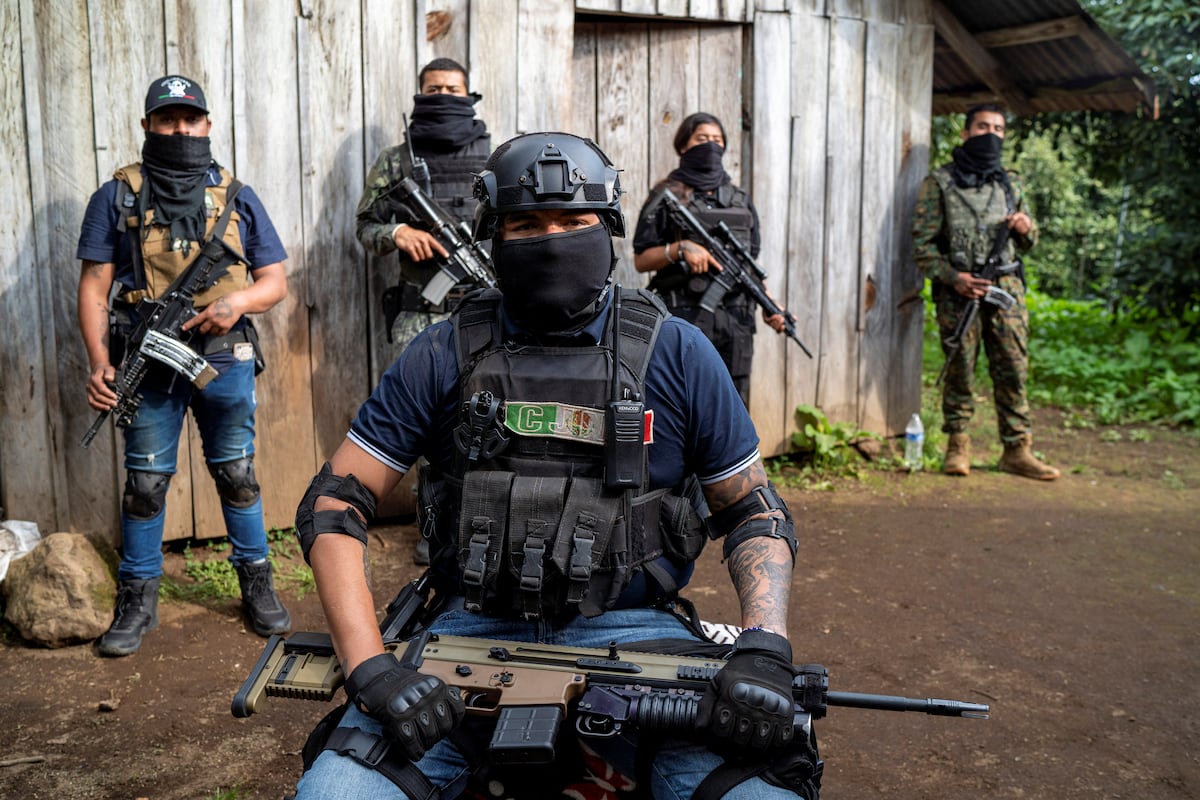


Overview
Federal authorities said Mexican army special forces killed Nemesio Rubén Oseguera Cervantes, "El Mencho," on February 22, prompting cartel members to set fire to buses and taxis and erect blockades that spread across 20 states.
Three days after El Mencho's death, analysts said the Jalisco New Generation Cartel faces a succession process with no clear successor, raising risks of violent turf fights over control of its criminal enterprises.
U.S. prosecutors unsealed an indictment alleging a Bulgarian broker listed about $58 million in weaponry for the CJNG, and DEA operations in the United States arrested more than 600 and later about 670 people, officials said.
U.S. and Mexican agencies say the CJNG operates in more than 40 countries and in roughly 27 to 32 Mexican states, and traffics fentanyl, methamphetamine and cocaine while profiting from extortion, fuel theft and money laundering.
Security experts warned that decapitating leadership is insufficient and said the CJNG's franchise-like, tech-savvy structure — including drones, AI and social-media recruitment — could allow rapid regeneration unless its power networks are dismantled.
Analysis
Analysis unavailable for this viewpoint.
FAQ
According to analysts, there is no clear direct successor to El Mencho. Expert Carlos Saucedo stated that it is "likely that one of four or five top commanders will emerge as the next leader," naming Ricardo Ruiz Velasco ("El Doble R"), Audias Flores ("El Jardinero"), Hugo Mendoza Gaytan ("El Sapo"), and El Mencho's former head of security as the most likely candidates. El Mencho's son is held in the United States and therefore unavailable to take control.
David Mora, an expert at the Crisis Group analysis center, noted that El Mencho's death created a power vacuum within the CJNG due to his lack of direct succession. This power vacuum opens the door to violent realignments within the organization, as surviving leadership battles for control while remaining cartels compete for dominance in territories previously controlled by the CJNG.
The CJNG maintains a hierarchical and centralized command structure under regional leaders who report to the cartel's leadership. It uses a franchise model—affiliation agreements between smaller local cartels and the CJNG—to expand outside its strongholds in Jalisco, Nayarit, and Colima. The cartel operates in more than 40 countries and roughly 27 to 32 Mexican states, trafficking fentanyl, methamphetamine, cocaine, and profiting from extortion, fuel theft, and money laundering. The organization employs tech-savvy methods including drones, AI, and social media recruitment.