U.S. Buildup, Iran Denounces Trump Ahead Of Geneva Talks
Trump warned Iran is restarting its nuclear program as the U.S. assembles its largest Middle East deployment in decades ahead of Geneva talks Thursday.
 Washington Examiner
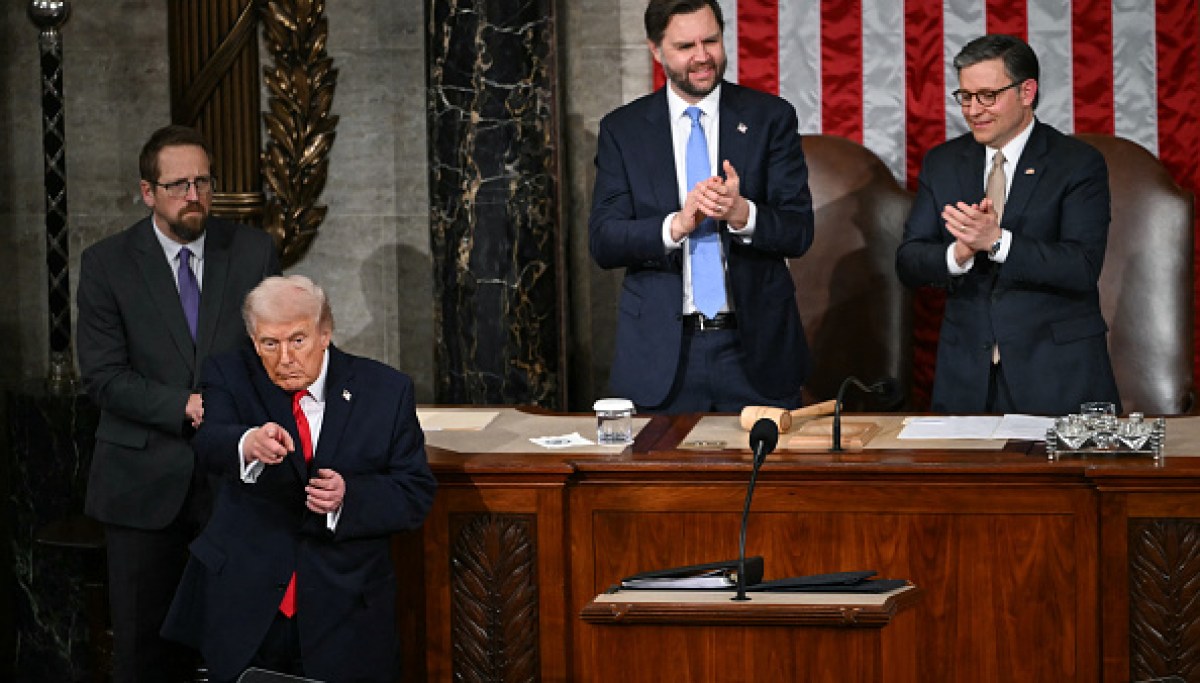
Trump's sparse comments on Iran at the State of the Union
 PBS NewsHour
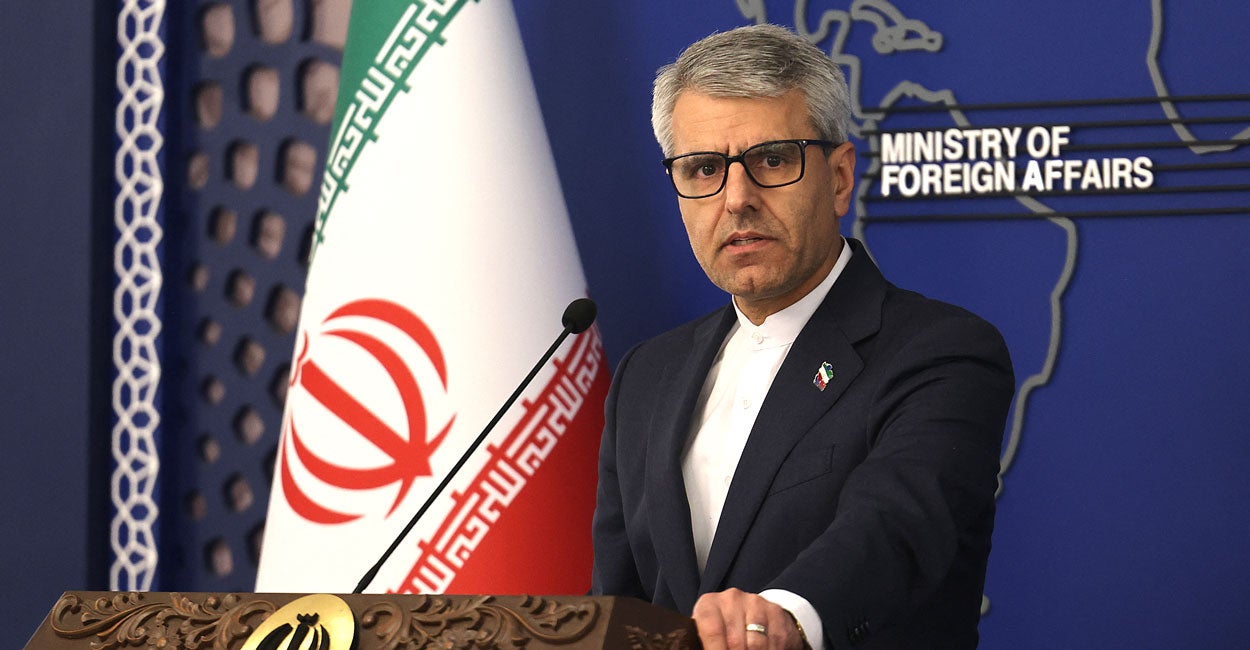
Iran accuses Trump of 'big lies' in the face of major U.S. military buildup and upcoming talks
 Daily Signal
Are Negotiations Destined to Fail After Iran Accuses US of ‘Big Lies’?

 CNN
CNNDecoding Trump’s Iran strategy | CNN
Overview
Iran's negotiating team left Tehran on Wednesday for Geneva to meet U.S. envoys Thursday as Washington has massed its biggest deployment of aircraft and warships to the Middle East in decades.
President Donald Trump used his State of the Union to say Iran was 'starting it all over' on its nuclear program, said he prefers diplomacy, and warned the U.S. may have to use military force.
Iran's Foreign Ministry spokesman Esmail Baghaei denounced Trump's remarks as 'big lies,' Foreign Minister Abbas Araghchi said Iran would 'under no circumstances ever develop a nuclear weapon,' and Iran's parliament speaker warned the U.S. to choose diplomacy or face Iran's wrath.
Estimates of deaths during January unrest range roughly from 3,117 to more than 32,000; Iran had enriched uranium up to 60% before June strikes; and the Defense Intelligence Agency said Iran could have about 60 ICBMs by 2035 if it pursued the capability.
The Geneva talks, mediated by Oman and involving U.S. special envoy Steve Witkoff, are a pivotal test because officials say if the round fails it could leave uncertain the timing, mission and scale of any U.S. strikes.
Analysis
Center-leaning sources present this story without strong editorial framing, balancing claims and counterclaims, qualifying assertions, and separating quoted source content from reportage. They note the IAEA's doubts about Trump's obliteration claim, reproduce Iran's sharp denial and Goebbels reference as sourced quotes, include Araghchi's diplomatic overtures, and cite an expert warning of rising clash risk.
FAQ
The US demands include zero uranium enrichment, Iran transferring its remaining 400 kg of enriched uranium (including 60% enriched material), halting nuclear weapons development, restricting ballistic missiles, and ending support for groups like Hezbollah, Hamas, and Houthis.[2]
Iran offered to reduce uranium enrichment from 60% to 3.6% (JCPOA-like level), suspend enrichment for 7 years, dilute half of its highly enriched stockpile, and establish a regional enrichment consortium, in exchange for recognition of its NPT rights and sanctions relief.[2]
Iran is not currently enriching uranium since June 2025 US strikes damaged facilities, but satellite imagery shows rebuilding of missile and nuclear sites; it previously had over 400 kg of 60% enriched uranium, enough for 10 weapons if further enriched, with IAEA access denied.[1]
The US has assembled its largest deployment of aircraft and warships to the Middle East in decades as leverage ahead of Geneva talks, amid concerns of potential strikes if negotiations fail.
Failure could lead to uncertain US military strikes on Iran, possible Iranian retaliation against US allies like Israel or Gulf states, regional instability, and rising oil prices.