Zimbabwe Rejects $367M U.S. Health Deal Over Data Access
Zimbabwe halted talks on a $367 million U.S. bilateral health pact, citing U.S. demands for access to virus samples and epidemiological data and lack of reciprocal guarantees on resulting medical innovations.




Overview
Zimbabwe withdrew from talks on a proposed $367 million bilateral health agreement.
Harare said the United States demanded comprehensive access to sensitive health data, including virus samples and epidemiological information, prompting the withdrawal.
U.S. ambassador Pamela Tremont said the United States will begin winding down health assistance to Zimbabwe.
The U.S. offered $367 million over five years and the embassy said bilateral pacts with 16 African countries total roughly $18 to $18.3 billion.
Zimbabwe's College of Public Health Physicians urged continued talks to prevent treatment interruption and other public health risks.
Analysis
Center-leaning sources present this coverage neutrally: they report competing claims (US embassy figures, Zimbabwe memo) and present direct source content (quotes from Tremont and Mangwana) without loaded language or selective omission. Context (funding totals, Kenya court case, US aid changes) is included, leaving evaluative judgments to readers.
FAQ
The US demanded comprehensive access to Zimbabwe's sensitive health data, including virus samples and epidemiological information, for a specified period, which Zimbabwe viewed as excessive and intrusive. Some reports also mention US interest in access to Zimbabwe's critical mineral resources.
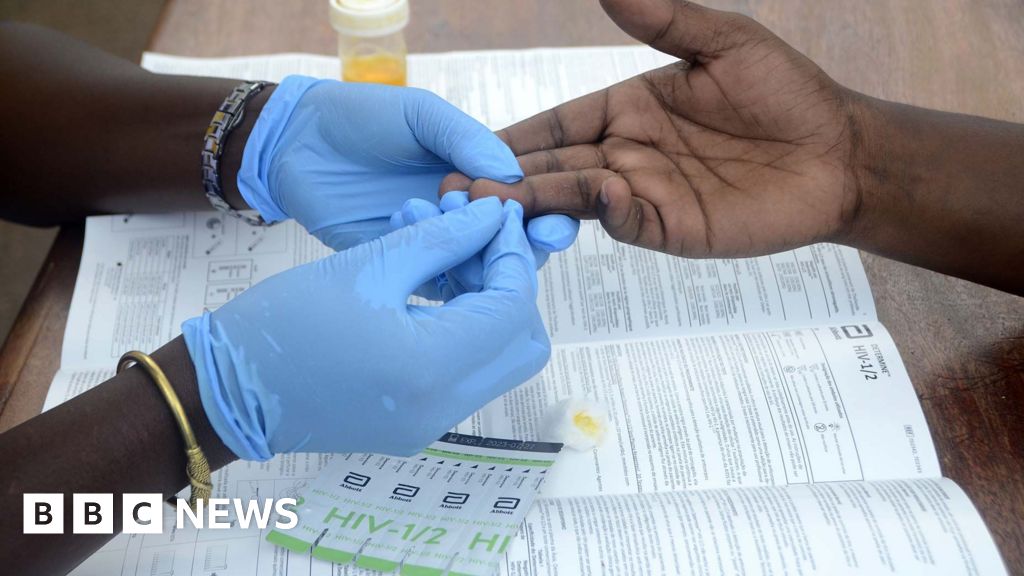
The deal offered approximately $350-367 million over five years to support health programs, including HIV treatment for 1.2 million Zimbabweans.
At least 14 countries, including Kenya, Rwanda, Uganda, Lesotho, and Eswatini, have signed similar bilateral health pacts with the US under its 'America First' strategy.
The US will wind down health assistance, potentially interrupting HIV treatment and other programs, amid Zimbabwe's underfunded health sector reliant on donor funding. Local physicians urged continued talks to avoid public health risks.
