Hong Kong Court Quashes Jimmy Lai Fraud Convictions
Rare appellate win for the 78-year-old pro-democracy activist, but he remains jailed on a separate 20-year national security sentence.
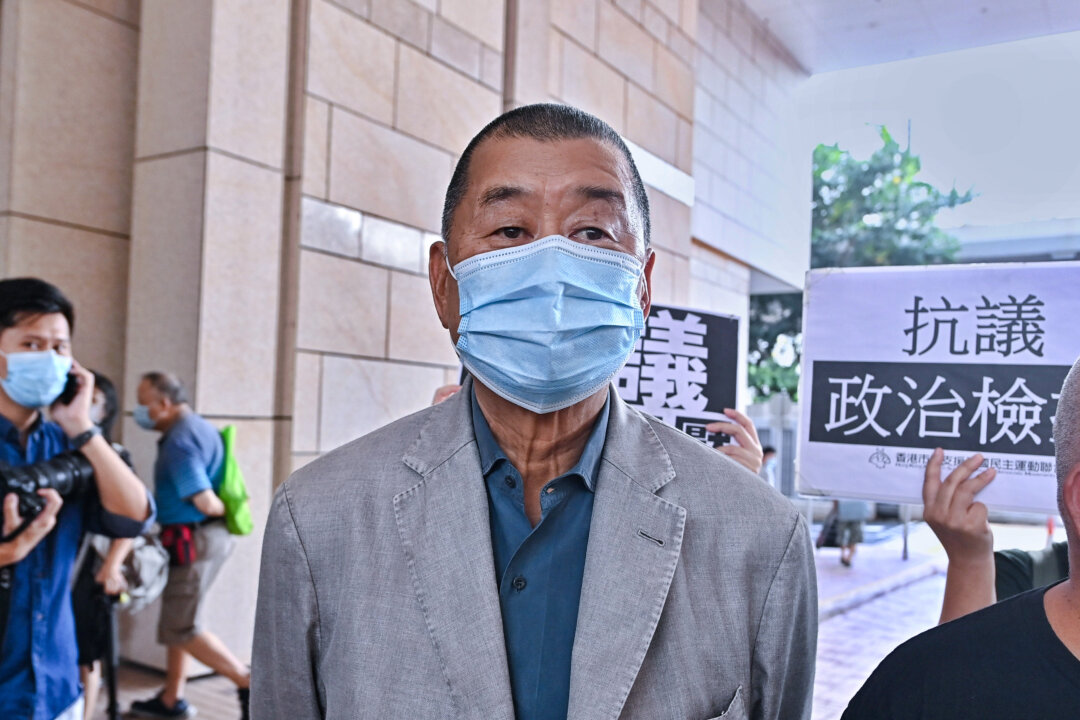
 Epoch Times
Hong Kong Court Overturns Jimmy Lai’s Fraud Conviction
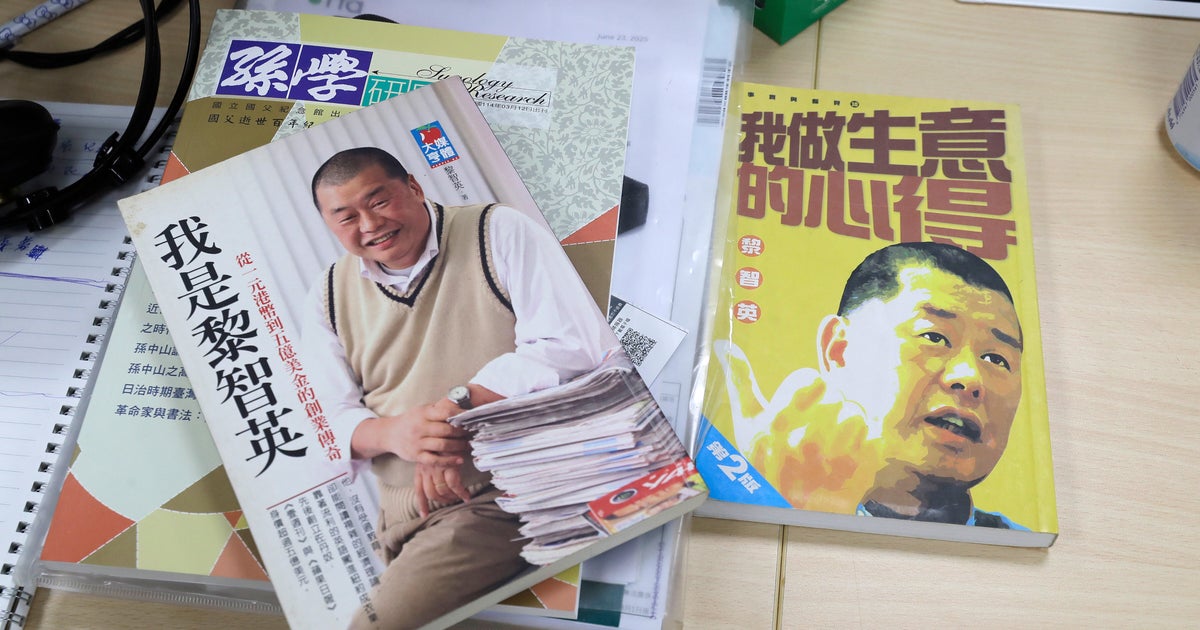
 CBS News
Fraud conviction overturned for Hong Kong's Jimmy Lai, ex-media mogul and democracy activist
 ABC News
A Hong Kong court quashes fraud conviction of ex-media mogul Jimmy Lai
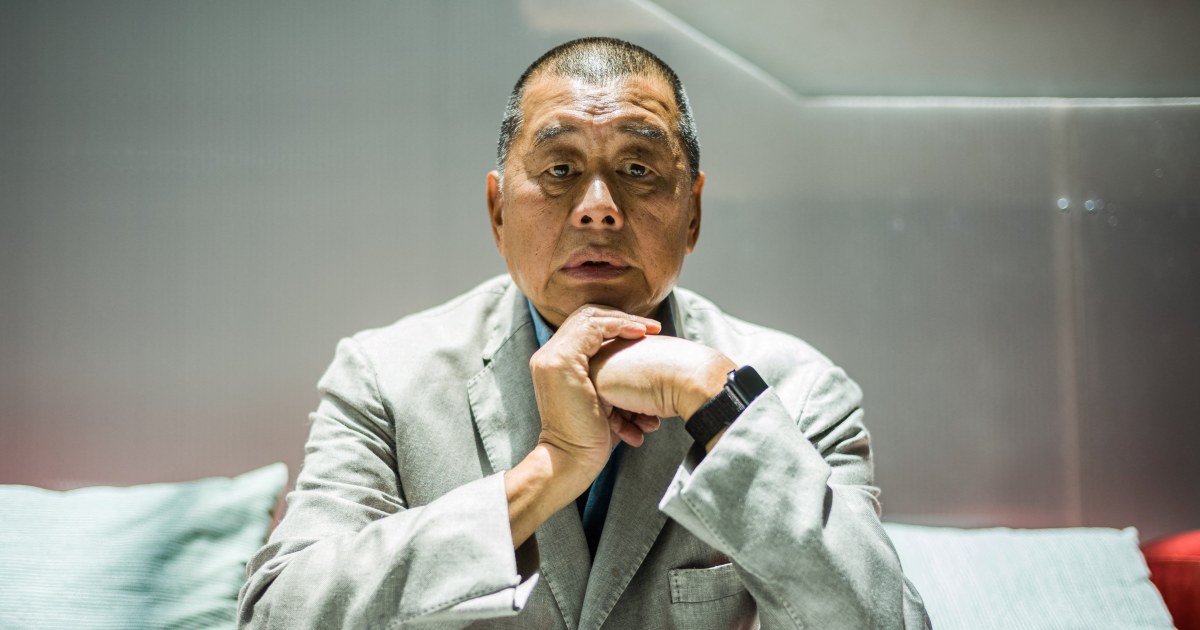
 NBC News
Hong Kong court overturns fraud conviction for pro-democracy activist Jimmy Lai
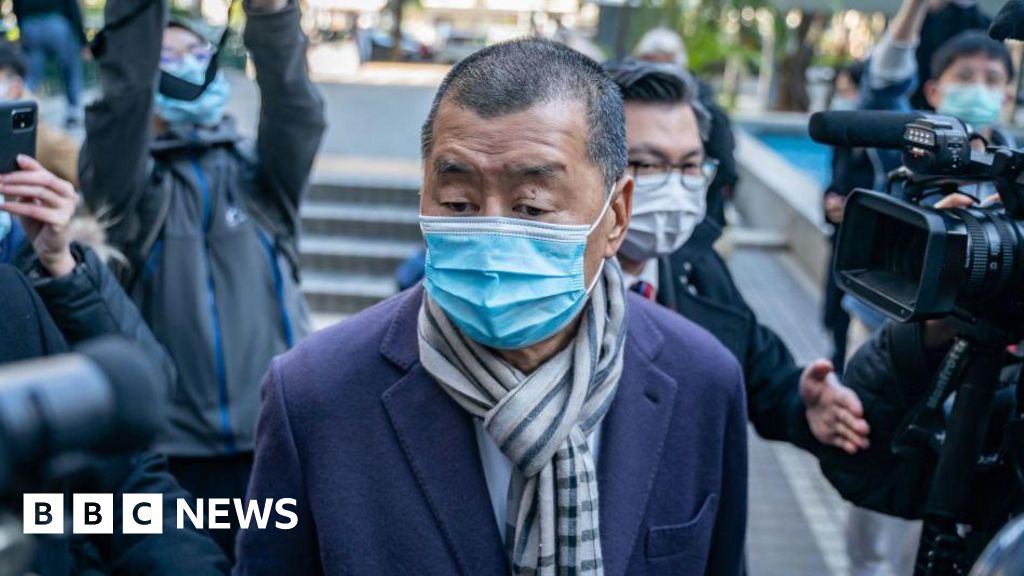
 BBC News
Jimmy Lai: Hong Kong tycoon wins appeal against fraud conviction
Overview
On Feb. 26, Hong Kong's Court of Appeal quashed Jimmy Lai's 2022 fraud convictions and set aside his sentences, Judges Jeremy Poon, Anthea Pang and Derek Pang said.
The fraud case involved prosecutors' allegation that a consultancy controlled by Lai used Apple Daily Printing's leased office space, and Lai had been sentenced to five years and nine months in 2022 and fined 2 million Hong Kong dollars ($257,000).
The Department of Justice said it will study the judgment thoroughly and consider whether to appeal.
Lai, 78, remains imprisoned under a 20-year sentence from a December national security conviction and has spent more than 1,800 days in custody since his 2020 arrest, rights groups and family say.
The Court of Appeal's ruling could reduce Lai's total prison time because judges in his national security case ordered only two years to run concurrently, and the Department of Justice may appeal.
Analysis
Center-leaning sources present the outcome as a sympathetic development, using evaluative lead language ("rare legal victory") and highlighting critics’ claims that prosecutions aim to "stamp out dissent." Editorial choices prioritize Lai’s health, U.S. political reactions, and family concerns while giving government rebuttals brief space; quoted statements remain source content.
FAQ
The Court of Appeal found that the prosecution failed to prove beyond reasonable doubt that Lai and his co-defendant made false representations. Specifically, judges ruled that while Apple Daily Printing did breach the lease terms by allowing a consultancy firm to use part of the office space, the company had no legal duty to disclose this breach, and the breach could not be attributed to Lai as a matter of law. The judges stated that the trial judge's reasoning for concluding the defendants were liable for concealment was 'unsupportable.'[1]
The 20-year sentence is separate from the fraud case and stems from convictions on two counts of conspiracy to collude with foreign forces and one count of publishing seditious materials under China's National Security Law.[2] Lai was sentenced to this term earlier in February 2026. The national security conviction is unrelated to the lease violation fraud case, so the overturned fraud conviction does not eliminate this sentence. However, judges ordered that only two years of the 20-year sentence will run concurrently with any remaining fraud sentence, meaning 18 additional years would be added afterward.[2]
No. Although the fraud conviction was quashed, Lai will remain imprisoned due to his 20-year national security sentence.[2] The overturned fraud conviction would have reduced his total prison time, but the national security conviction stands separately and independently. Lai's family has expressed concerns that the combined sentences could effectively amount to a life sentence, particularly given his age of 78.[2]
The Department of Justice announced it will study the Court of Appeal's judgment thoroughly and consider whether to appeal the decision to quash the fraud convictions.[1] If the Department of Justice does appeal, the case could proceed to a higher court. Separately, the national security convictions remain in effect and are not subject to this fraud case appeal process.
Lai's case has raised significant questions about judicial independence, press freedom, and the treatment of pro-democracy figures in Hong Kong.[5] At 78 years old, Lai is a prominent critic of Beijing's ruling Communist Party and the founder of Apple Daily, once Hong Kong's largest independent media outlet.[2] Human rights organizations and his family have expressed concerns that his imprisonment, including prolonged solitary confinement, reflects political persecution rather than justice, with his son describing the sentences as 'essentially a life sentence...a death sentence.'[2] The case has also drawn attention from international figures, with Lai's children expressing hope that U.S. President Donald Trump's visit to Beijing in late March could help secure his release.[1]

