Nearly Blind Rohingya Refugee Found Dead After Border Patrol Drop-Off
A 56-year-old Rohingya refugee was dropped at a Tim Hortons after release on Feb. 19 and was found dead five days later, prompting a homicide probe and calls for federal accountability.
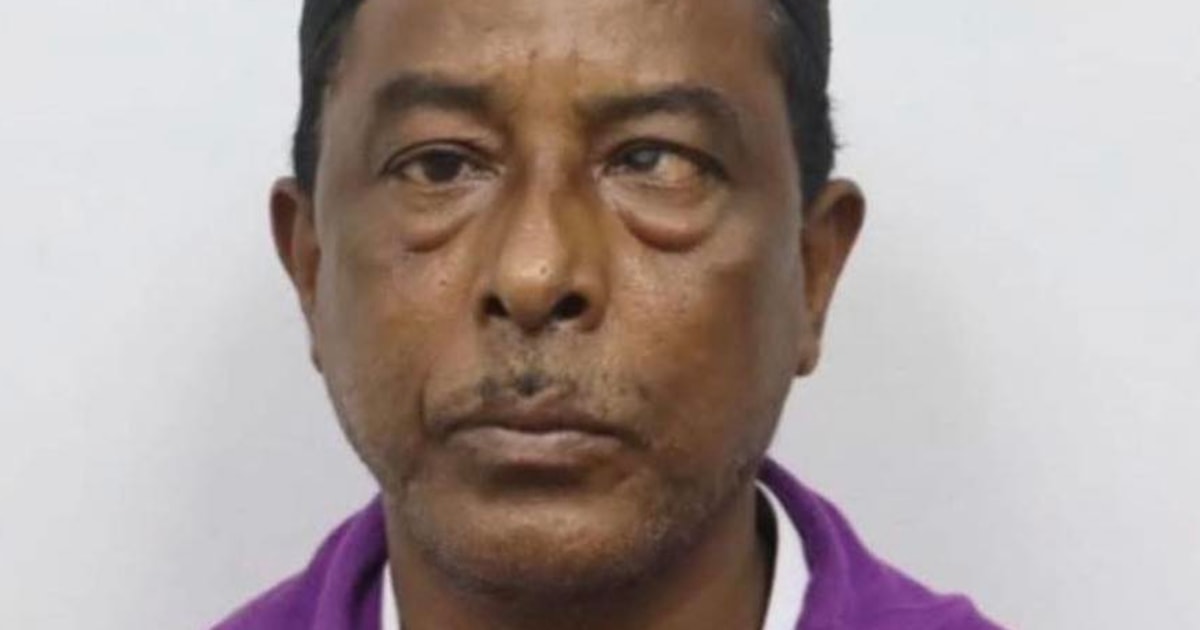
 NBC News
'Nearly blind' refugee found dead after being released by Border Patrol in New York
 Associated Press
A nearly blind refugee is found dead after Border Patrol agents drop him at Buffalo doughnut shop
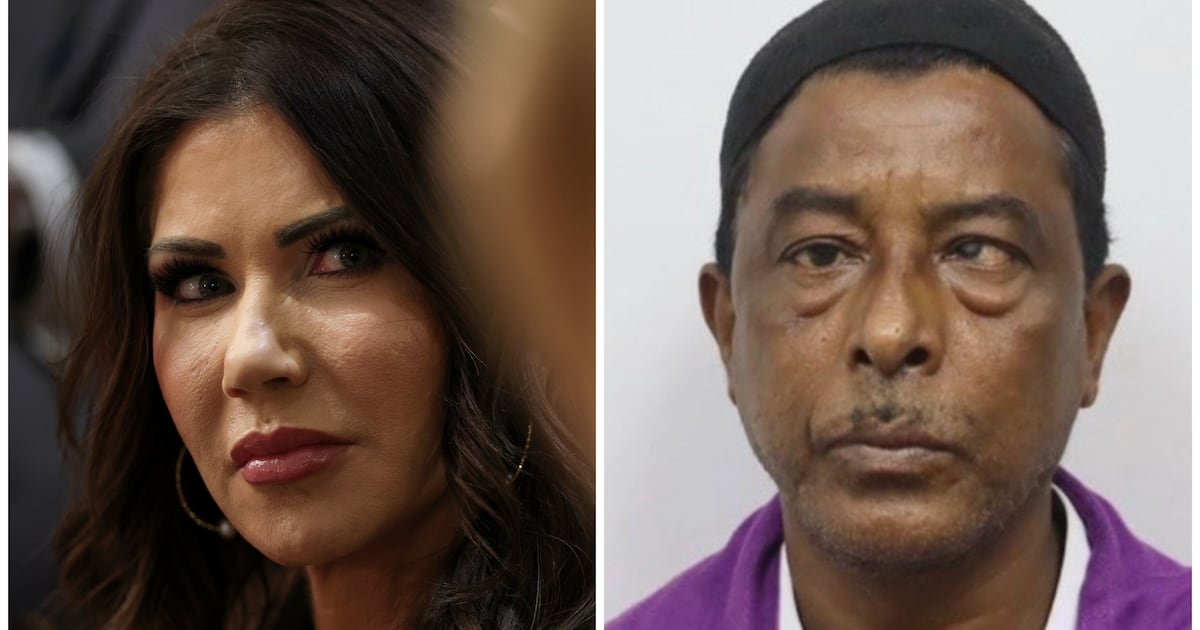
 Daily Beast
Homicide Cops Investigating ICE Barbie Goons Who Left Blind Man to Die

 CNN
CNNNearly blind refugee found dead in New York days after immigration agents dropped him at a coffee shop alone, officials say | CNN
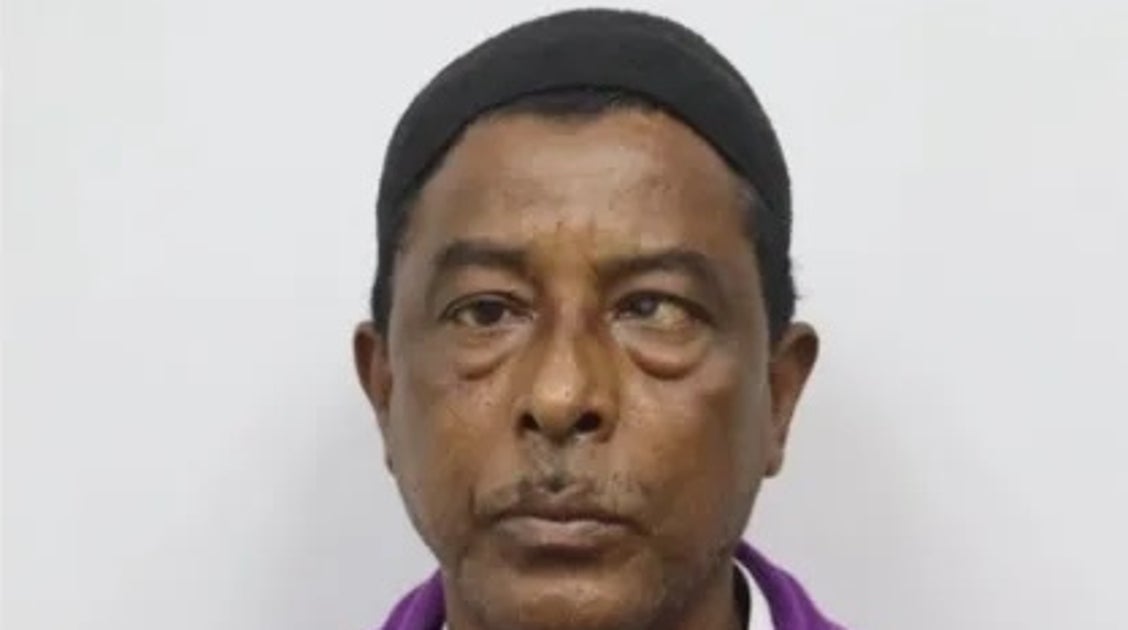
 HuffPost
'Inhumane': Nearly Blind Refugee Found Dead After Border Patrol Agents Left Him Miles From Home
Overview
Homicide detectives are investigating after 56-year-old Nurul Amin Shah Alam was found dead five days after Border Patrol agents left him at a Tim Hortons following his Feb. 19 release.
CBP said agents offered Shah Alam a courtesy ride and that he chose to be dropped at a coffee shop after authorities determined he entered the U.S. as a refugee on December 24, 2024 and was not amenable to removal.
Buffalo Mayor Sean Ryan called the death preventable and a "dereliction of duty" by U.S. Customs and Border Protection, and New York Governor Kathy Hochul and U.S. Sen. Kirsten Gillibrand demanded accountability and investigations.
Officials said Shah Alam was 56, nearly blind, and spoke little English, and his family said they were not notified of where he was dropped off.
The Erie County Medical Examiner is investigating the cause of death, Erie County prosecutors said they will move to dismiss charges when they receive his death certificate, and police are probing the timeline and circumstances leading to his death.
Analysis
Center-leaning sources frame the story as a failure by federal authorities, foregrounding vulnerability (nearly blind, orange booties, freezing weather) and officials’ condemnations (mayor’s “dereliction of duty”) while presenting CBP’s defense as secondary. Editorial selection, ordering, and emphatic details emphasize institutional neglect more than procedural context or countervailing explanations.
FAQ
Shah Alam was arrested on February 9 after an incident where Buffalo police responded to a call about a man taking shelter from the snow near a house[3]. During the encounter, he did not comply with police commands to drop a curtain rod he was holding, leading officers to use a Taser and physical force[3]. He was charged with assault, trespassing, and possession of a weapon, and ultimately pleaded guilty to misdemeanor charges of trespassing and possession of a weapon, with sentencing scheduled for March[2]. His attorney stated the arrest was a misunderstanding based on language barriers and cultural differences, as Shah Alam could not speak English and could not walk properly without a cane[2].
The Erie County Medical Examiner determined the cause of death was "health related in nature," ruling out death by exposure and homicide[3]. However, the Erie County Department of Health later disputed this account, stating no determination had been made[2]. Homicide detectives are investigating the circumstances and timeline of events leading up to his death following his release from custody[3]. Buffalo police are also probing the events that preceded his death[2].
U.S. Customs and Border Protection stated that Border Patrol agents "offered him a courtesy ride, which he chose to accept to a coffee shop, determined to be a warm, safe location near his last known address, rather than be released directly from the Border Patrol station[1]." CBP also stated that "he showed no signs of distress, mobility issues, or disabilities requiring special assistance[1]." However, this account was disputed by Shah Alam's attorney and advocates, who noted he was nearly blind, did not speak English, could not walk properly without a cane, and his family was not notified of the drop-off location[2].
Buffalo community leaders have suggested Border Patrol's handling of Shah Alam may have been influenced by Buffalo Mayor Sean Ryan's January 2026 executive order that prohibited Buffalo police from collaborating with immigration agencies on civil enforcement matters[5]. Ba Zan Lin, a leader of the Buffalo Burmese community, argued that Border Patrol agents "intentionally" dropped Shah Alam at the Tim Hortons "to show the Ryan administration that this is what happens when there's non-collaboration," characterizing the action as "inhumane[5]."
Congressional leaders, including U.S. Senators Kirsten Gillibrand and Representatives Grace Meng and Tim Kennedy, are demanding a full accounting and comprehensive investigation into Border Patrol's actions[1][4]. Congressman Tim Kennedy formally requested that New York Attorney General Letitia James initiate a state investigation to examine release and transfer protocols for vulnerable individuals, notification procedures for people with language and mobility limitations, and whether established policies were followed[4]. Buffalo Mayor Sean Ryan called the death preventable and a "dereliction of duty" by U.S. Customs and Border Protection[5].