Trump Says He’s 'Not Happy' With Iran Talks as Military Options Remain
Trump said Friday he had not decided on strikes and was "not happy" with Iranian negotiators after Geneva talks; U.S. ordered personnel departures and Marco Rubio will visit Israel on Monday and Tuesday.
 ABC News
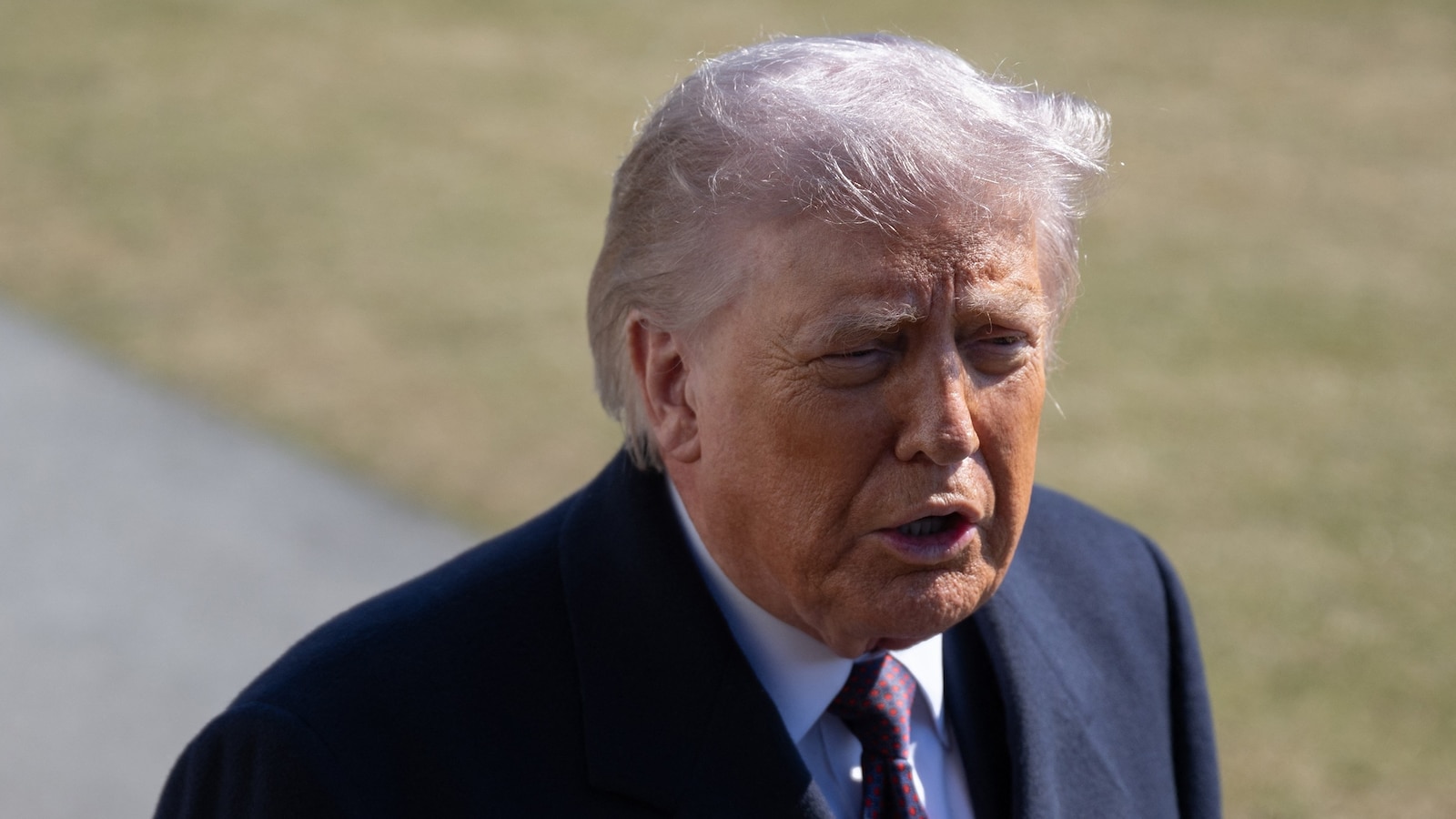
Trump says he hasn't made a final decision on Iran, 'not happy' with current negotiations
 BBC News
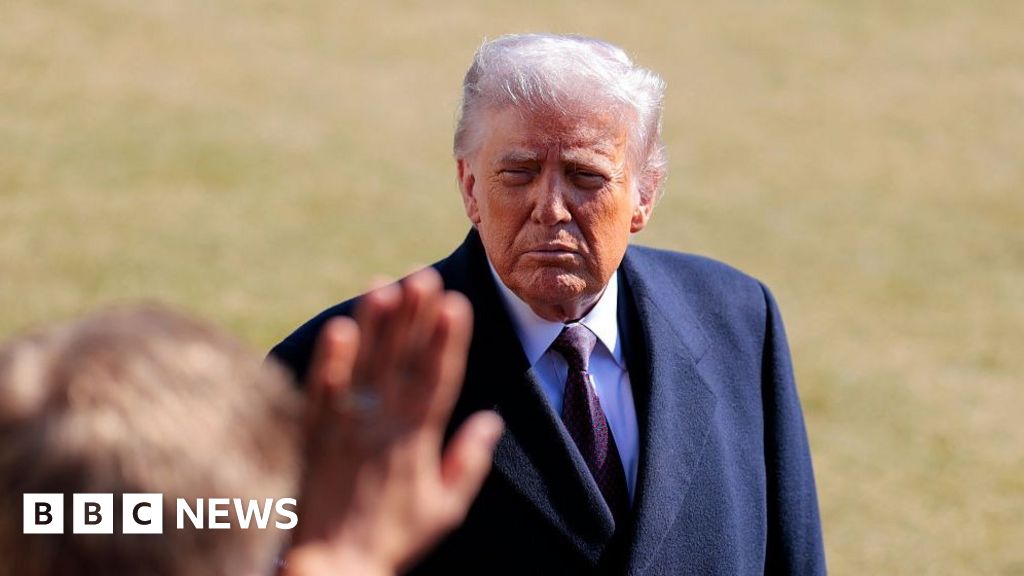
Trump 'not thrilled' with Iran after latest talks on nuclear programme
 PBS NewsHour
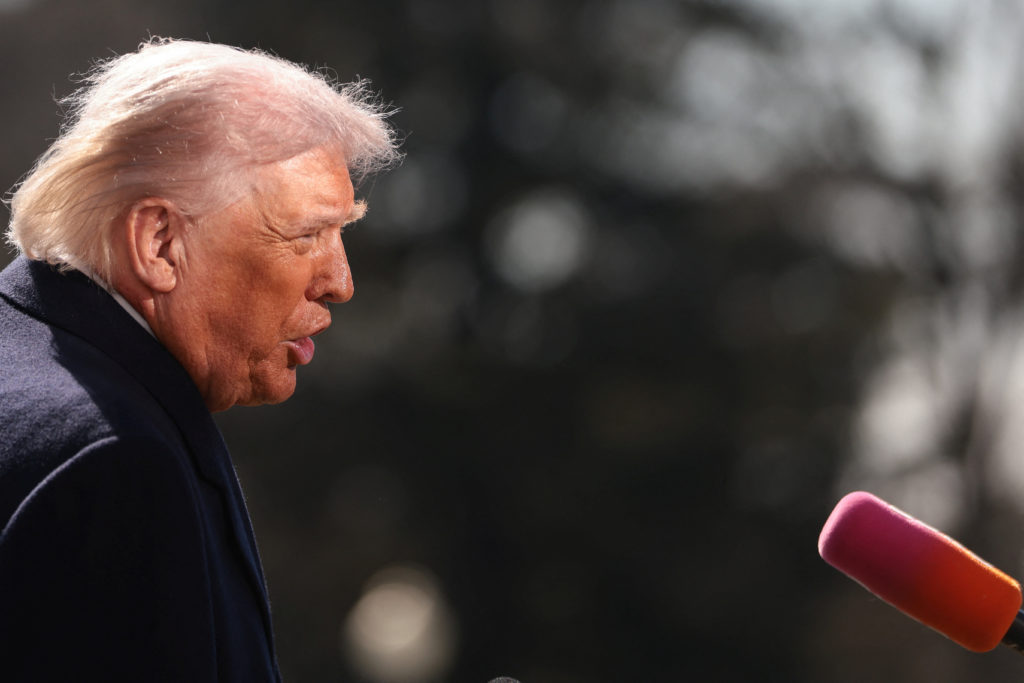
Trump says he's 'not happy' with Iran talks but will wait to see what happens in further rounds
 The Guardian
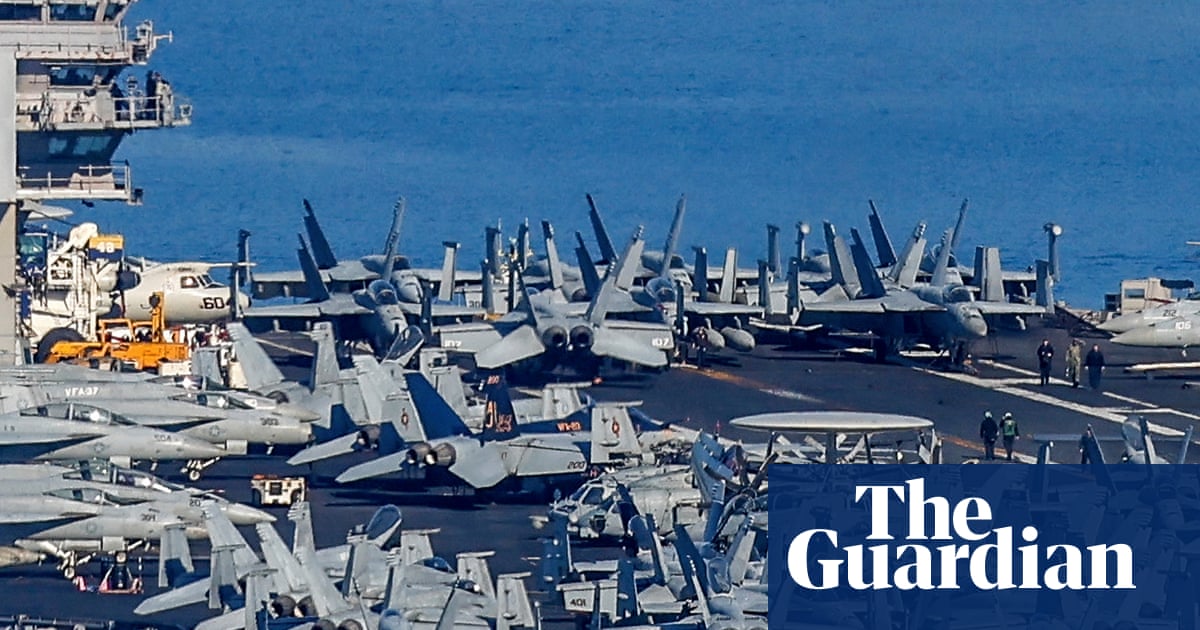
Trump ‘not happy’ with Iran situation and says military force is still an option
Overview
President Donald Trump said Friday he has not made a final decision on strikes against Iran and is "not happy" with the way Iran is negotiating, according to his remarks to reporters.
U.S. envoys Steve Witkoff and Jared Kushner met Iranian negotiators in Geneva on Thursday in talks brokered by Oman, and Oman’s foreign minister Badr Albusaidi said there had been significant progress but differences remain.
The State Department authorized non-emergency personnel and family departures from Israel, Secretary of State Marco Rubio will travel to Israel on Monday and Tuesday, and Rubio designated Iran a "state sponsor of wrongful detention," officials said.
Washington has sent two aircraft carriers and other military assets to the region, while the IAEA reported it has been refused access to enrichment sites and noted 400kg of highly enriched uranium at 60 percent, its report said.
Technical-level discussions are due next week in Vienna and a fourth round of negotiations is expected next week, and Trump said he would wait to see how additional talks proceed before deciding on military action.
Analysis
Center-leaning sources report neutrally, presenting competing statements and factual context rather than taking a side. They quote President Trump’s own language (“not happy,” “greatest military”) alongside Iranian foreign minister Abbas Araghchi’s remark about increased seriousness, and describe envoy talks and force deployments without loaded editorializing.
FAQ
Iran is unlikely to accept reported US demands to destroy its nuclear facilities and commit to a permanent deal[2]. According to Trump's statements, Iran refuses to articulate the commitment "We will not pursue a nuclear weapon" and wants to continue uranium enrichment at levels between 20-30 percent, which Trump's administration views as unacceptable[1]. The core disagreement centers on Iran's unwillingness to completely abandon nuclear enrichment capabilities despite having substantial oil reserves.
Washington has sent two aircraft carriers and other military assets to the region as part of its military positioning amid escalating tensions[1]. These deployments represent a significant show of force while negotiations continue and Trump deliberates on potential military action.
Oman is serving as the primary mediator between the US and Iran[1]. The Omani foreign minister, Badr Albusaidi, is facilitating diplomatic discussions, including a recent meeting where he met Vice President J.D. Vance in Washington[1]. Oman's mediation efforts represent a critical diplomatic channel as the US and Iran attempt to reach an agreement.
The International Atomic Energy Agency (IAEA) reported that it has been refused access to Iranian enrichment sites and documented 400 kilograms of highly enriched uranium at 60 percent enrichment levels[1]. This restricted access and high enrichment levels represent a key concern for US negotiators and factor into Trump's skepticism about Iran's willingness to comply with international oversight.
Technical-level discussions are scheduled for the following week in Vienna, and a fourth round of full negotiations is expected to take place next week as well[1]. Trump stated he would wait to see how these additional talks proceed before making a final decision on military action[1].
