Unexpected Birth Revives Hope for Akuntsu Tribe
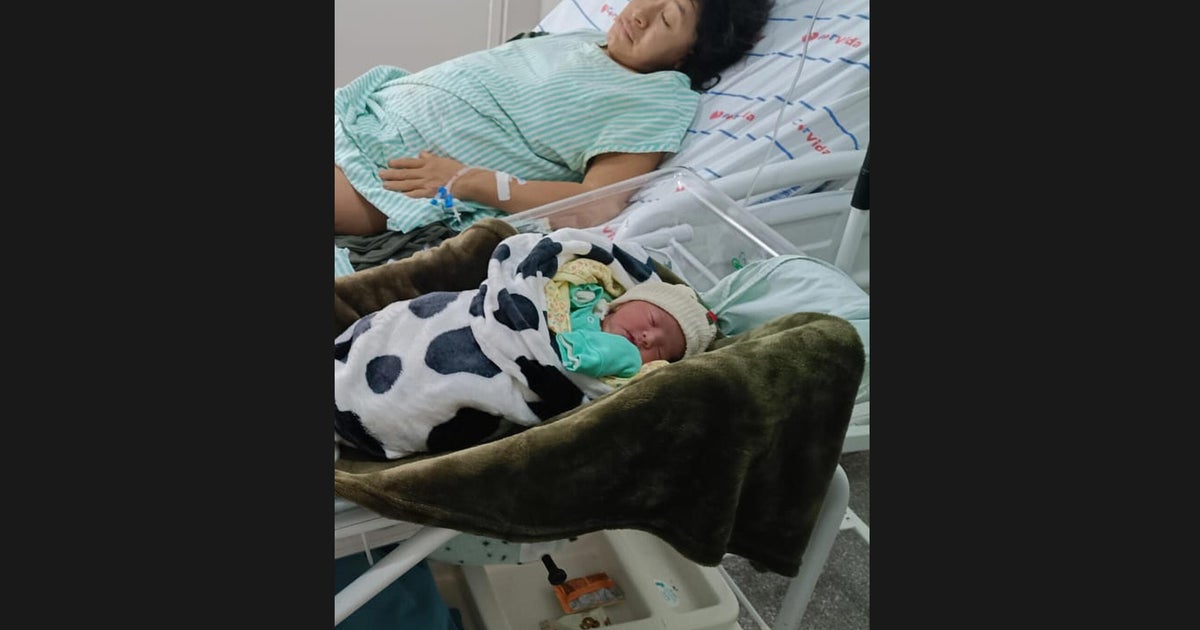
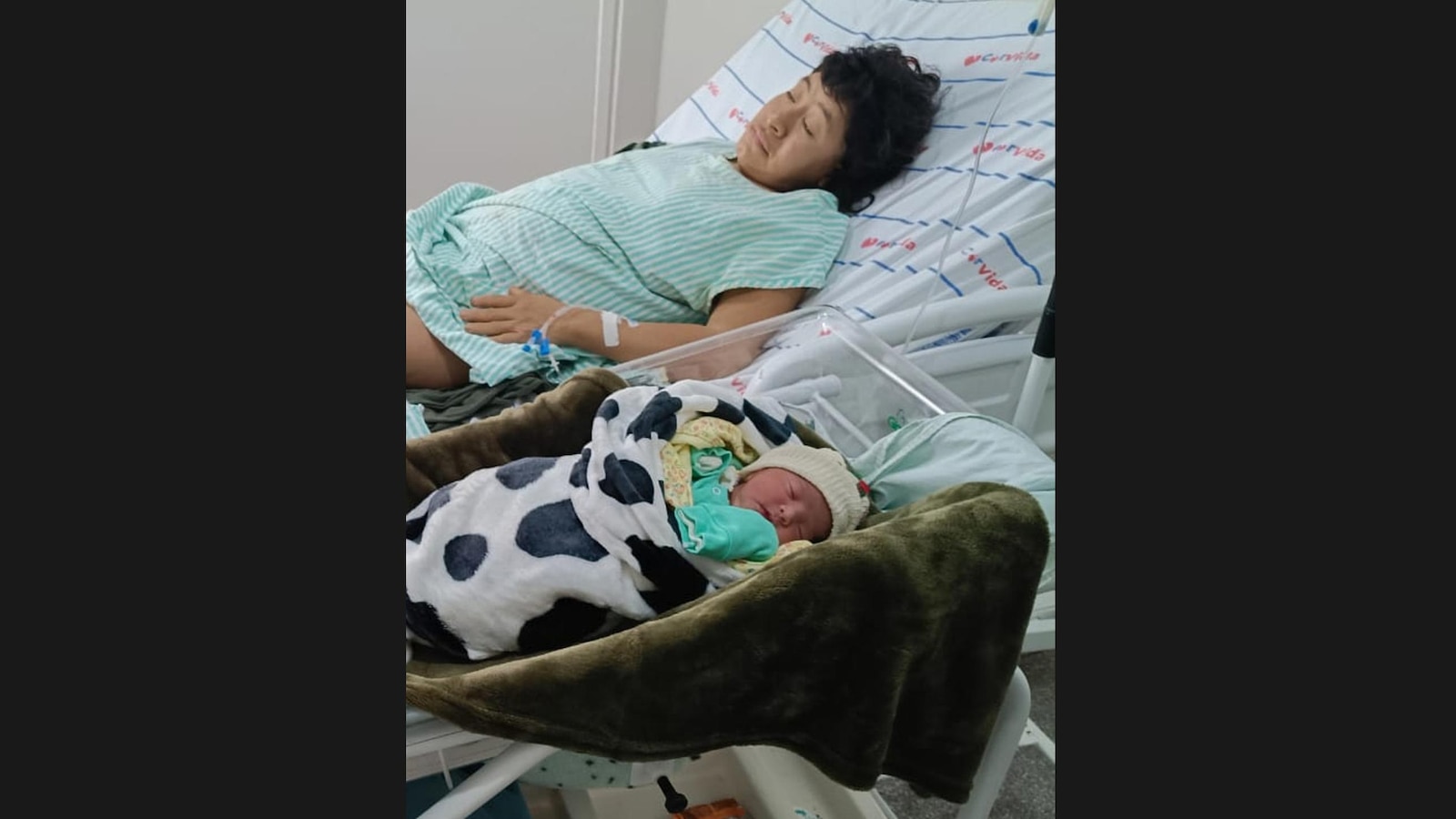
Babawru, one of three surviving Akuntsu women, gave birth in December to a boy named Akyp, offering a chance to sustain the Akuntsu people and protect their Rio Omere territory.



Overview
Babawru, the youngest of the three surviving Akuntsu women, gave birth in December to a boy named Akyp, bringing new hope for the continuation of the Akuntsu people.
The Akuntsu were decimated during a government-backed push to develop the Amazon in the 1970s and 1980s, and Funai first contacted seven survivors in 1995.
Joenia Wapichana, president of Funai, called the child a symbol of resistance, and Funai arranged territorial protection, spiritual support and remote assistance from linguist Carolina Aragon during the pregnancy and labor.
A 2022 analysis by MapBiomas found Indigenous territories in Brazil lost just 1% of native vegetation over three decades versus 20% on private land, and about 40% of Rondonia's native forest has been cleared.
Researchers and officials said the boy could help restore male roles through ties with the Kanoe and bolster protection of the Rio Omere Indigenous Land that Funai established in 2006.
Analysis
Center-leaning sources frame the story as a hopeful, conservation-linked narrative that foregrounds indigenous resilience and environmental protection. Editorial choices — emotive descriptors ("decimated," "island of forest"), selective sourcing (Funai, anthropologists, MapBiomas), and structuring from violence to salvation — connect the birth to broader climate and land-rights arguments.
FAQ
The Akuntsu were decimated in the 1970s and 1980s by government-backed Amazon development, including highway construction (BR-364), which brought cattle ranchers, loggers, and colonists, leading to violence, massacres, disease, and forest destruction.
Before the birth, the three surviving members were women: Pugapia and her daughters Aiga and Babawru (the youngest, around 40). The last male died in 2017.
Established by Funai in 2006, it provides protected territory for the Akuntsu and Kanoe people (formerly adversaries), preserving forest amid surrounding deforestation; it appears as a green enclave in satellite images.
Once enemies, they now share the Rio Omere land and have begun communicating, facilitated by Funai officials, despite cultural differences and language barriers.
Funai first contacted survivors in 1995, demarcated Rio Omere in 2006, provided territorial protection, spiritual support, remote assistance during pregnancy, and mediation with Kanoe.
