U.S.-Israel Strikes Kill Iran’s Supreme Leader, Sparking Wider War
U.S. and Israeli strikes killed Ayatollah Ali Khamenei; CENTCOM reported three U.S. service members killed and Iran began a transition to interim leadership amid retaliatory strikes.
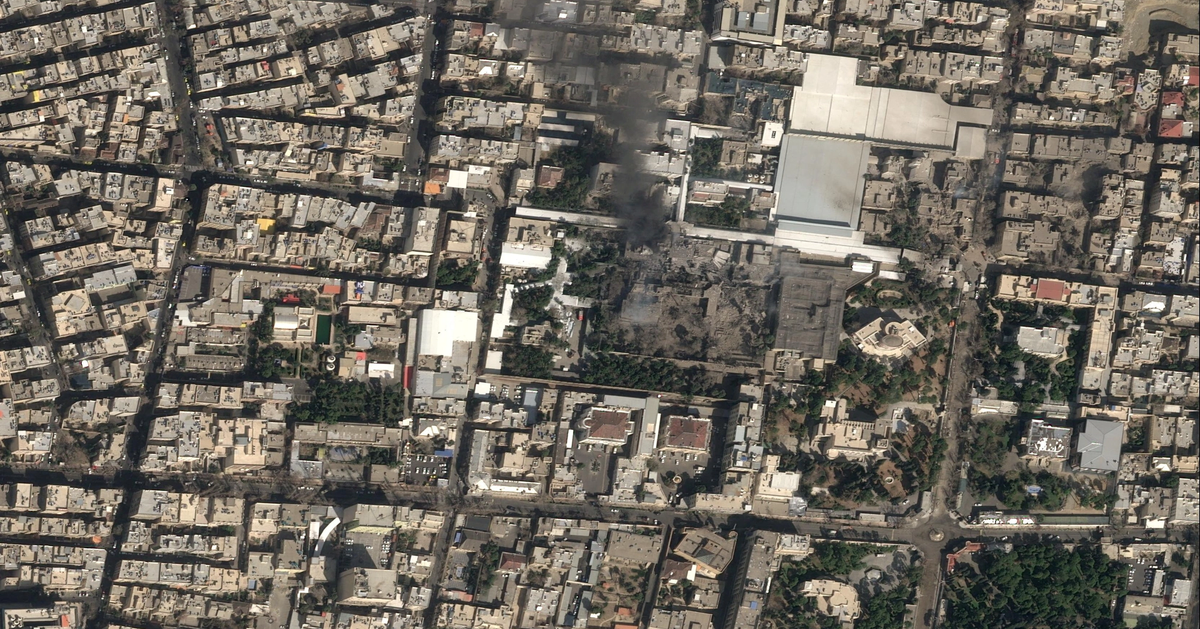
 Semafor
Middle East thrust into war as Iran leader killed in US, Israel attack
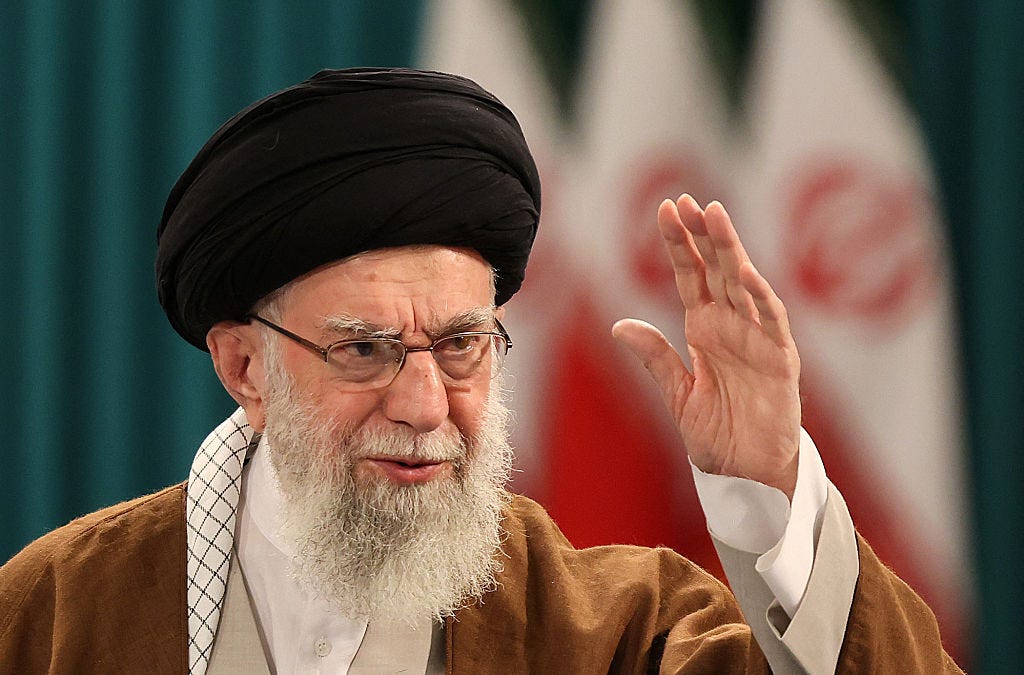
 The Free Press
The Posthumous Makeover of Ali Khamenei
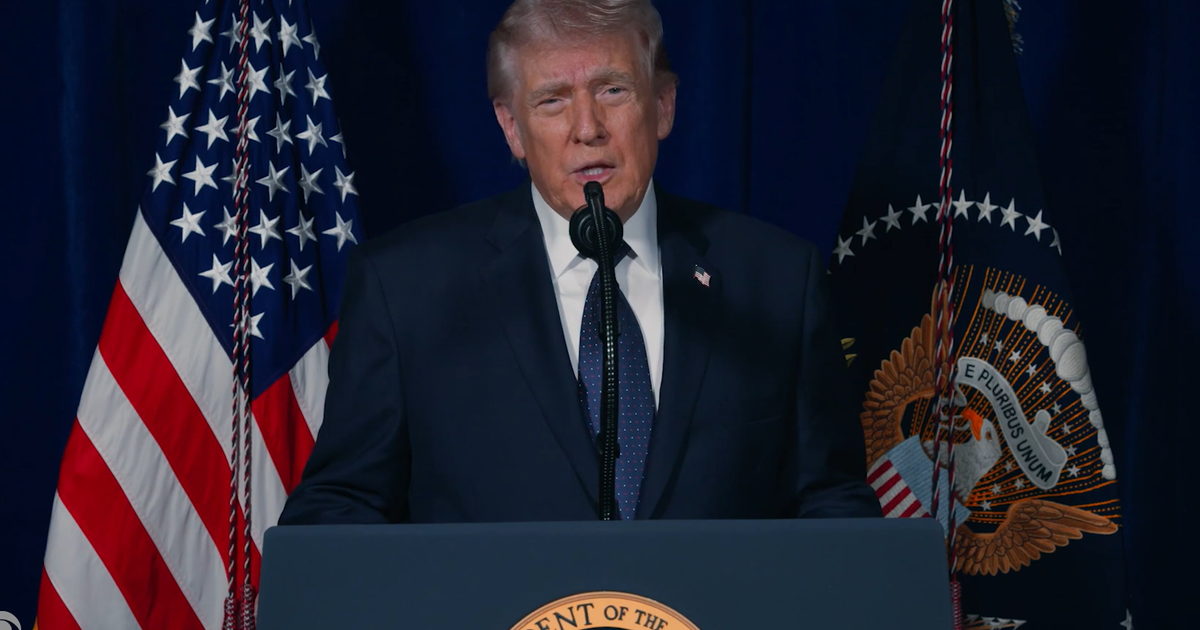
 CBS News
Trump predicts more U.S. casualties as Iran operations will "continue until all of our objectives are achieved"

 The Gateway Pundit
WATCH: Trump Addresses the Nation with Update on Iran - Warns "There Will Likely be More" US Troops Killed and Demands Iranian Forces Surrender "or Face Certain Death" | The Gateway Pundit | by Jordan Conradson
Overview
U.S. and Israeli strikes killed Iran's Supreme Leader Ayatollah Ali Khamenei and several top commanders, thrusting the Middle East into a widening war, officials said.
The attacks, conducted as part of Operation Epic Fury, targeted IRGC headquarters and control centers, air defenses, ballistic missile and anti-ship sites, naval vessels, and military communications, CENTCOM said.
President Donald Trump said the strikes were necessary to prevent a nuclear-armed Iran and warned more U.S. service members would likely die while urging Iranian forces to lay down their arms in exchange for immunity.
CENTCOM said three U.S. service members were killed and five were seriously wounded, with additional troops suffering minor shrapnel injuries and concussions, and it will withhold public identification for 24 hours.
Iran activated a three‑member interim leadership council including President Masoud Pezeshkian, judiciary chief Gholam‑Hossein Mohseni‑Ejei and Ayatollah Alireza Arafi, and Tehran launched missile and drone retaliatory strikes that hit Israel and Gulf states, officials said.
Analysis
Center-leaning sources frame the story as a security-driven escalation that justifies U.S. and allied responses, emphasizing casualties, military success claims, and regional instability. language like "thrust into war" and repeated allied condemnations foreground defense narratives; Iranian perspectives appear mainly as quoted reactions or opposition voices, with limited structural context or historical background.
FAQ
According to U.S. officials, the strikes aimed to eliminate Iran's leadership, including Supreme Leader Ali Khamenei, and to target Iran's military infrastructure, missile arsenal, and nuclear capabilities[1][2]. President Trump stated the operation would continue 'until all of our objectives are achieved' and emphasized the goal to 'destroy its vast missile arsenal' and 'set back Iran's nuclear ambitions'[1]. Israeli Prime Minister Netanyahu framed the operation, called 'Lion's Roar,' as removing an 'existential threat' to Israel[2].
Iran launched immediate retaliatory attacks using ballistic missiles and drones across the Middle East[1]. According to Qatar's report, Iran fired 65 missiles and 12 drones, while the UAE reported intercepting approximately 165 missiles, two cruise missiles, and roughly 541 drones[1]. These strikes resulted in casualties and injuries across the Gulf region, with reported deaths and injuries in multiple locations including Israel[1].
President Trump stated in an interview that the operation could 'take four weeks or less'[1]. He also noted that the military operation is proceeding 'ahead of schedule,' with initial retaliatory strikes from Iran occurring within less than two hours of the initial attack[1]. U.S. officials described the campaign as an 'extended air and naval campaign' designed to continue targeting Iran's military capabilities[1].
Iranian state media confirmed Supreme Leader Ali Khamenei was killed in the airstrikes[2]. Following his death, Iran's Foreign Minister Araghchi announced that Tehran has started the procedure for an assembly of experts to elect a new supreme leader[1]. This represents a significant turning point in Iran's governmental structure during an active military conflict[1].
According to Democratic Senator Mark Warner of Virginia, ranking member of the Senate Intelligence Committee, 'I saw no evidence that Iran was on the verge of launching any kind of preemptive strike against the United States of America'[1]. This statement suggests the U.S. initiated strikes without clear evidence of an immediate Iranian threat, though the administration framed the operation as necessary to address Iran's nuclear ambitions and military capabilities[1].
