Israel Strikes Assembly Of Experts Compound During Succession Vote
Israeli jets struck the Assembly of Experts compound in Qom as clerics reportedly counted ballots to pick a successor after strikes that began on Feb. 28 killed Iran’s supreme leader, officials said.
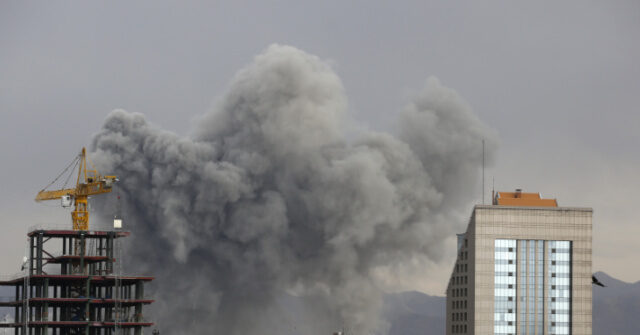
 Breitbart News
Ballots Buried: Israel ‘Flattens’ Building Where Clerics Choose New Leader

 Daily Caller
REPORT: Israel Bombs Iranian Leaders Voting On Next Supreme Leader
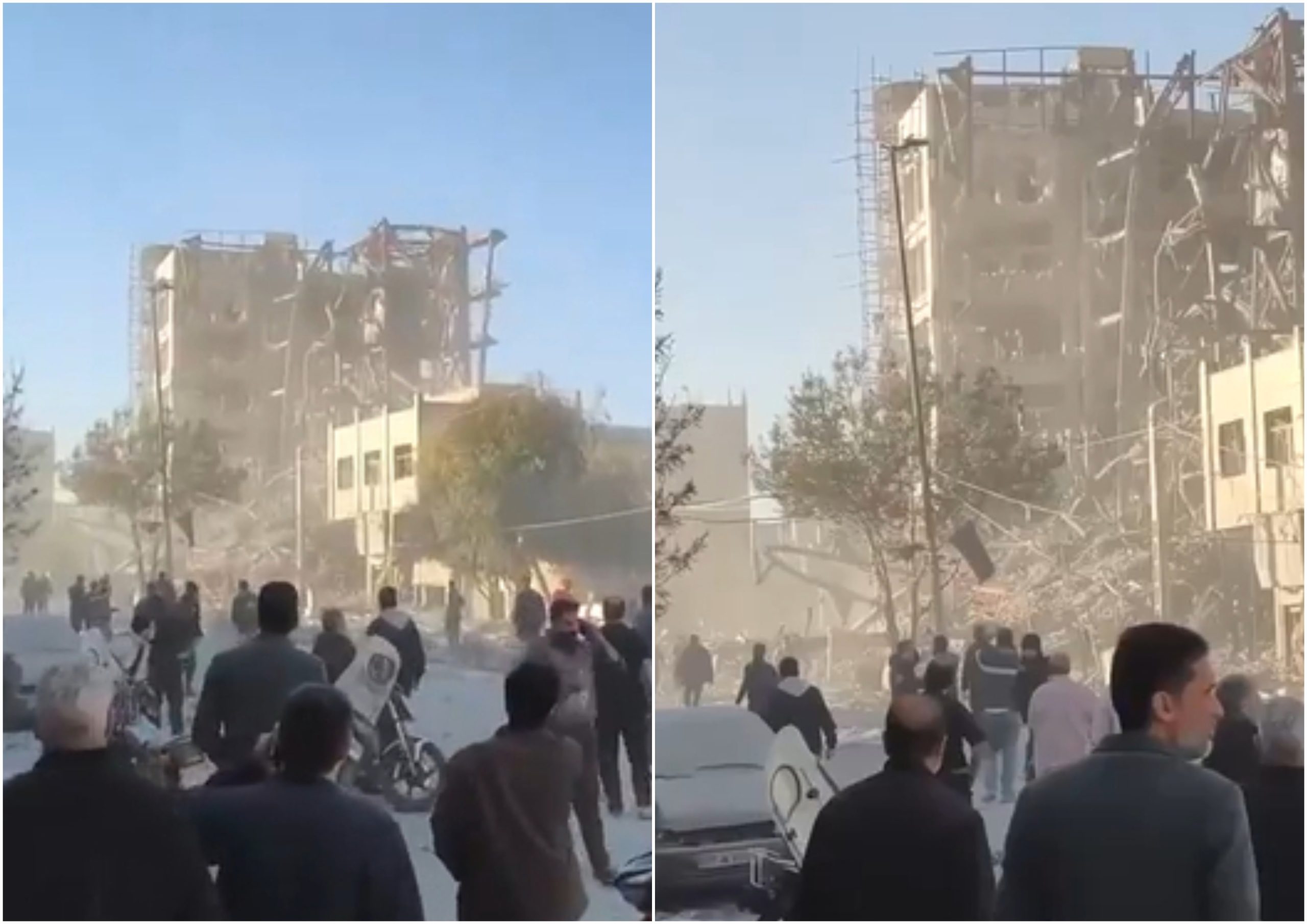
 Washington Free Beacon
Stop the Count: Israel Levels Building Where Clerics Gathered To Select Iran's New Supreme Leader
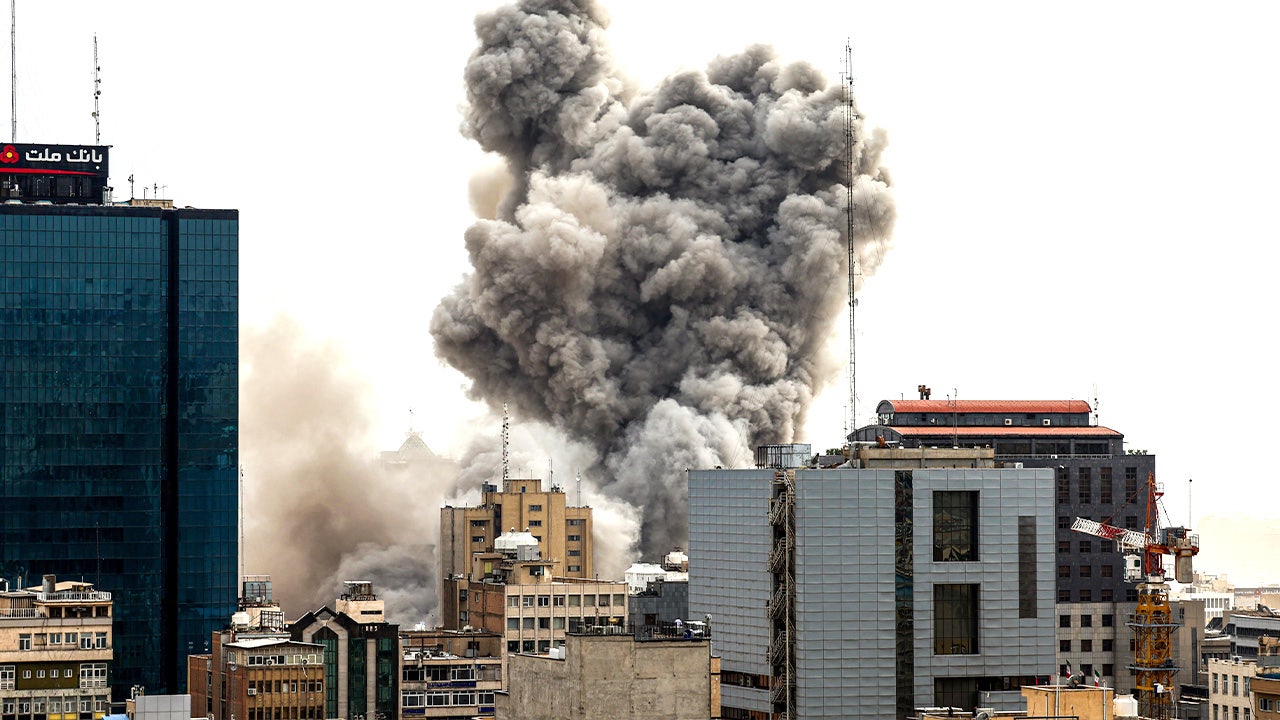
 FOX News
Israel strikes Iranian leadership meeting choosing Khamenei successor
Overview
The Israel Defense Forces said Israeli warplanes struck the Assembly of Experts compound in Qom as officials were reportedly counting ballots to choose a new supreme leader, and Iranian state media showed extensive structural damage.
The strike followed the U.S.-Israeli campaign that began on Feb. 28, during which officials say Ayatollah Ali Khamenei and other senior figures were killed in initial strikes.
Iranian outlets disputed that a formal session occurred at the Qom site, saying members were in a secure environment, while an Israeli defense official said the strike aimed to prevent a succession vote.
Officials said roughly 100 fighter jets dropped more than 250 munitions on Tehran leadership complexes, and U.S. Central Command reported more than 1,250 targets struck in the campaign's first 48 hours.
Until a successor is named, Iran is governed by an interim council of President Masoud Pezeshkian, Judiciary Chief Gholam-Hossein Mohseni-Eje'i, and Ayatollah Alireza Arafi, and the joint campaign continues.
Analysis
Center-leaning sources frame the story through security-first editorial choices: they foreground US/Israeli officials' claims, use militarized verbs like 'struck' and 'destroyed', highlight Trump and CENTCOM statements, and give Iranian denials minimal placement. These structural and sourcing choices create a narrative that legitimizes strikes and emphasizes escalation.
FAQ
The Assembly of Experts is an 88-member clerical body responsible for selecting Iran's Supreme Leader[1][3]. Members serve eight-year terms and are elected by voters, though all candidates must first be vetted by the Guardian Council, ensuring only regime-approved clerics reach the ballot[1]. The Assembly holds significant constitutional power: under Articles 107 and 111 of Iran's constitution, it must appoint a new leader "within the shortest possible time" upon death, resignation, or dismissal of the incumbent[1]. The Supreme Leader holds authority over the military, judiciary, nuclear policy, and national security—powers far exceeding those of the president[3].
A temporary Interim Leadership Council is overseeing Iran until a new supreme leader is appointed[2]. As established on March 1, 2026, this council consists of four figures: President Masoud Pezeshkian, Judiciary Chief Gholam-Hossein Mohseni-Eje'i, Ayatollah Alireza Arafi of the Guardian Council, and Speaker of the Islamic Consultative Assembly Mohammad Bagher Ghalibaf[6]. According to Iranian officials, this transition council was established "in accordance with the constitution" and will exercise the powers of the Supreme Leader until a successor is formally selected[4].
Mojtaba Khamenei, the late Supreme Leader's second son, is widely reported to be a leading contender to succeed his father[2]. However, there is no apparent heir to the role, and the succession process faces uncertainty[4]. Other possible candidates mentioned include Hassan Khomeini, the grandson of revolutionary founder Ruhollah Khomeini, though Iran International assessed he is unlikely due to his exclusion from the regime's upper echelon and being barred from running for the Assembly of Experts in 2016[6]. Senior cleric Hashim Busher, who serves as first deputy chairperson of the Assembly of Experts, has also been mentioned as closely linked to succession institutions[7].
Iranian Foreign Minister Abbas Araghchi stated on Sunday, March 1 that the new supreme leader could be chosen within a few days[2]. However, the process faces challenges from ongoing U.S. and Israeli strikes, which complicate gathering the Assembly of Experts[4]. Under Iranian law, the process is expected to be carried out quickly, as the constitution requires the Assembly to select a successor "within the shortest possible time" after the incumbent's death[1].
This is only the second such transition since the Islamic Republic was founded in 1979[3]. The only previous transfer of power between Supreme Leaders occurred in 1989 when Ayatollah Ali Khamenei assumed the position after Ayatollah Ruhollah Khomeini's death[4]. Khamenei had ruled Iran for 37 years, during which the regime's apparatus consolidated significantly under his control, making this succession particularly complex with no clear designated heir apparent[4].


