Pentagon Says Operation Epic Fury 'Throttling Up' as Strikes Deepen
Pentagon officials said Operation Epic Fury is expanding with more strikes, inland targeting and naval losses after a submarine torpedoed an Iranian warship, officials said.
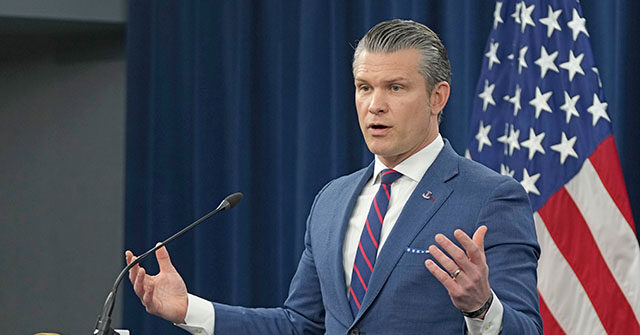
 Breitbart News
Hegseth: U.S. ‘Winning Decisively’ as Iran’s Military Power ‘Evaporates’

 Western Journal
Hegseth Explains Utter Devastation of Iranian Regime's Defenses - U.S. Close to 'Uncontested' Control of Airspace

 Hot Air
Hegseth: We've Only Just Begun to Win
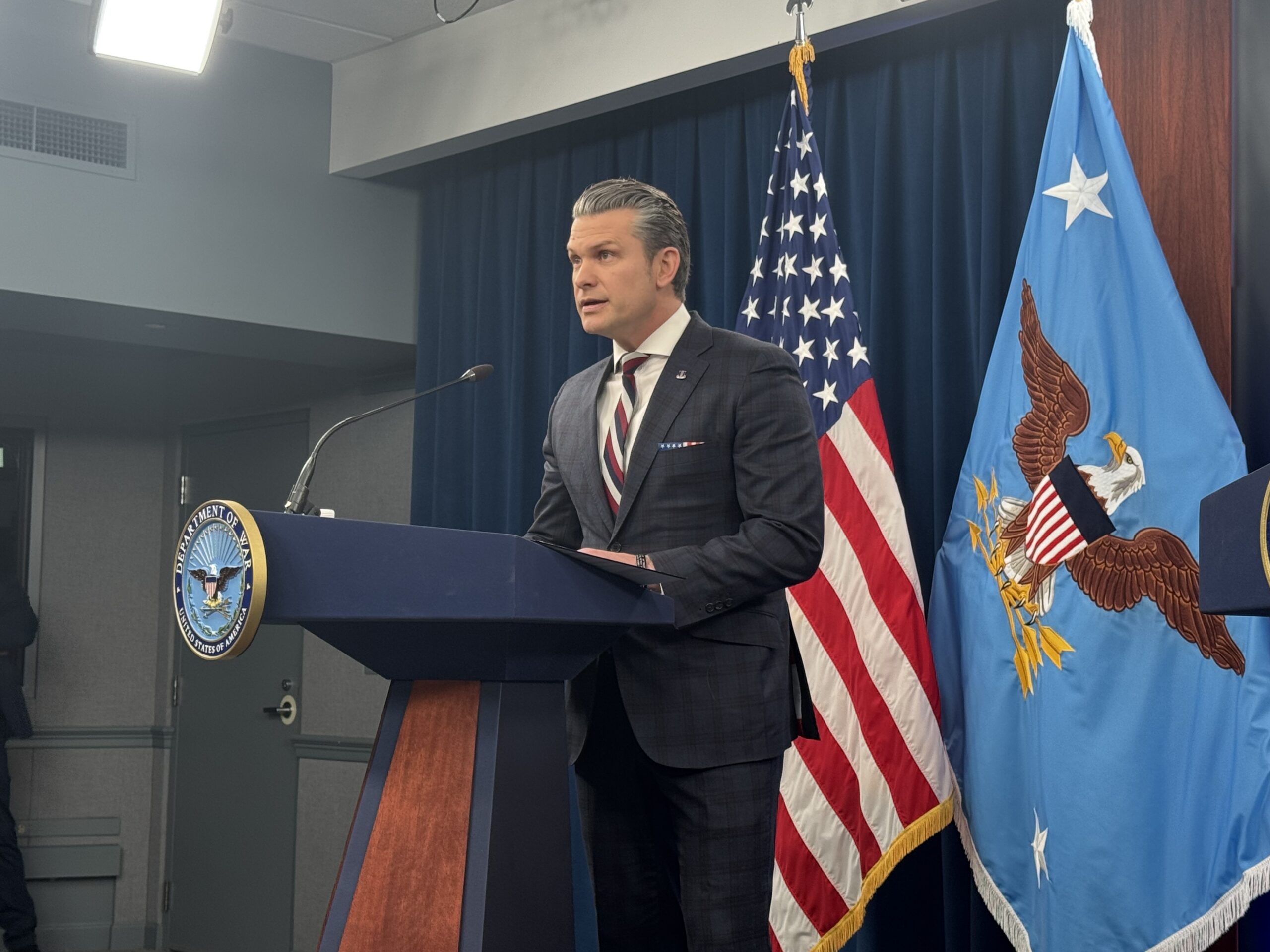
 The Federalist
Hegseth Signals Prolonged US Commitment In Iran
Overview
Pentagon officials said Operation Epic Fury is four days in and is "throttling up," with strikes continuing and "more and larger waves" coming, Defense Secretary Pete Hegseth and Gen. Dan Caine said.
Hegseth and Caine said U.S. forces have achieved air superiority across the southern flank of the Iranian coast and will expand strikes inland to prevent Iran from rebuilding its military power.
Caine said Iran's ballistic missile shots fired are down 86% from the first day of fighting, and one-way attack drones are down roughly 73 to 76%, he said.
Pentagon officials said U.S. naval strikes have sunk Iranian warships, including a submarine torpedo attack described as the first such sinking since World War II, and Hegseth said the Soleimani was taken down.
The Pentagon identified four of six U.S. service members killed March 1 in an unmanned aircraft system attack and said there is no set timeline for the operation, leaving duration to the president's discretion.
Analysis
Center-leaning sources frame the campaign as decisive and escalatory by foregrounding hawkish leadership quotes and operational successes while omitting competing perspectives. They emphasize triumphal language ("America is winning"; "throttling up"), operational metrics (missile and drone declines), and dramatic actions (torpedoed warship) without contextualizing civilian impact, legal debate, or Iranian responses.
FAQ
Operation Epic Fury is a U.S. military operation launched on February 28, 2026, in coordination with Israel, involving strikes against Iran to eliminate its ballistic missile systems, degrade its navy, and prevent rebuilding of military power.
Six U.S. service members have been killed in action as of March 2, 2026, with four identified from a drone strike on March 1 and two additional remains recovered; several others were wounded.
Iran's ballistic missile shots are down 86% from the first day of fighting, and one-way attack drones are down 73-76%, enabling U.S. air superiority along Iran's southern coast.
U.S. naval strikes have sunk Iranian warships, including the sinking of the Iranian warship Soleimani by a submarine torpedo, the first such event since World War II.
Objectives include destroying Iran's ballistic missiles and navy; plans involve expanding strikes inland with more and larger waves, using additional bombers and precision weapons, with no set timeline left to presidential discretion.

