New Strikes Hit Tehran As Iranian Leaders Send Mixed Signals
Israel and U.S. strikes struck Tehran fuel facilities as Iran's president apologized then walked back remarks and officials vowed to continue attacks, fueling casualties and Gulf shipping disruption.
 Fortune
Iran sends conflicting signals on war, highlighting split between leaders looking to de-escalate vs. hard-liners bent on fighting the U.S. and Israel | Fortune
 Washington Examiner
Iran still striking Gulf States despite president’s promise not to: Report
 Los Angeles Times
Trump vows to escalate war as divisions in Iran emerge

 CNBC
CNBCIran vows it won't surrender as war with the U.S. and Israel enters second week
Overview
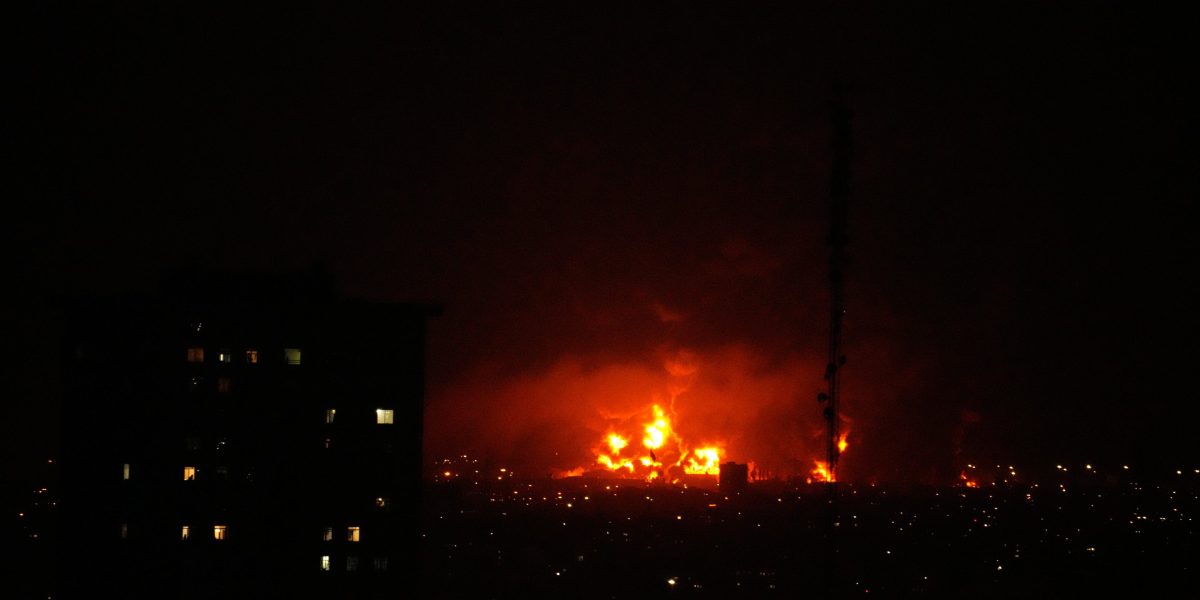
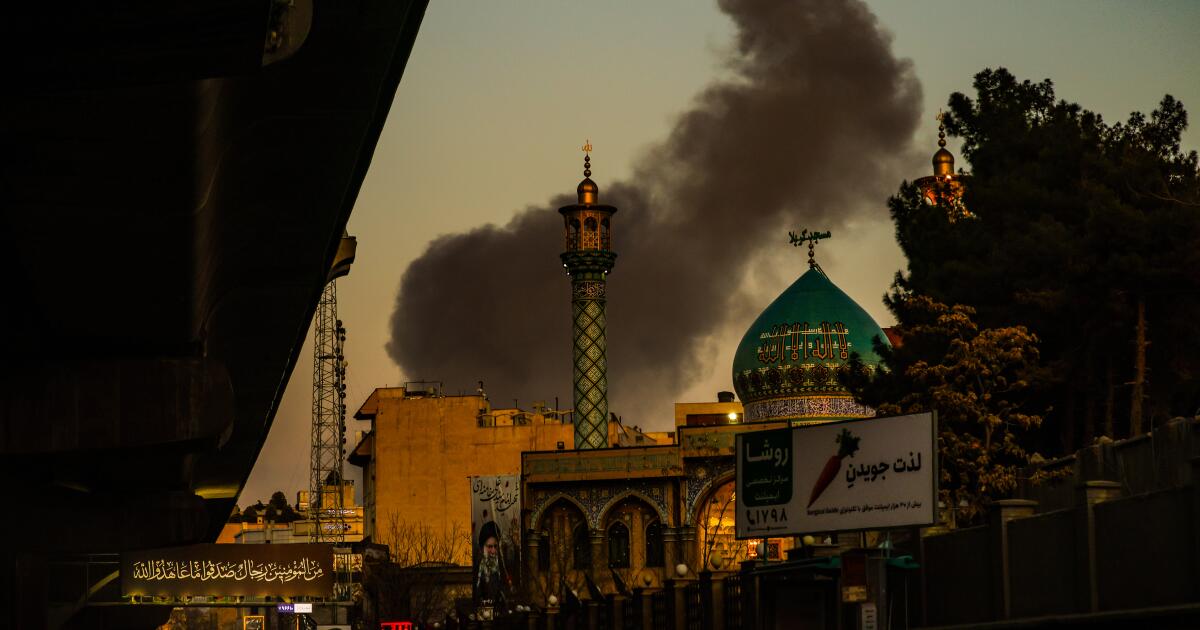
Israel's military confirmed it struck fuel storage facilities in Tehran, producing large flames above an oil site, according to military and state media.
U.S. Central Command said American forces struck more than 3,000 targets in the first week of Operation Epic Fury, marking a week-long campaign against Iran's military and nuclear capabilities.
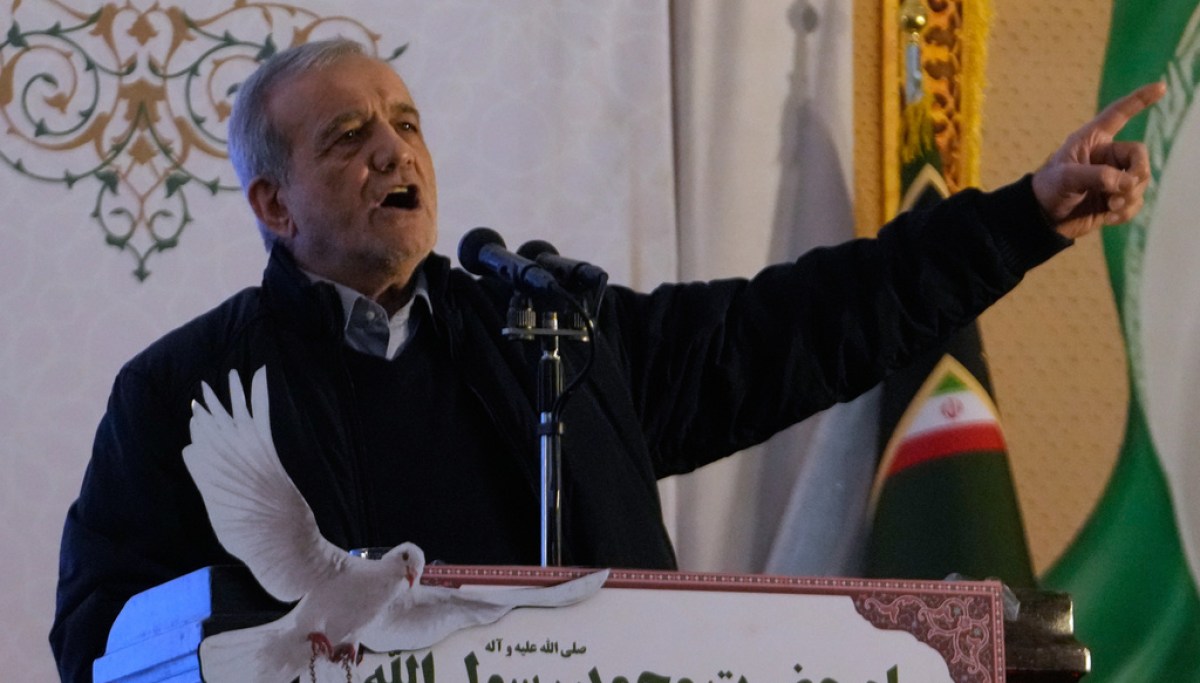
Iranian President Masoud Pezeshkian apologized to neighboring countries and said attacks should stop, then walked back his remarks amid criticism from Revolutionary Guard hard-liners and other officials, according to state media.
Roughly 1,200 to 1,230 people have been killed in Iran, more than 290 in Lebanon and 11 in Israel, and six U.S. troops have been killed, according to officials in those countries.
Iran's Defense Ministry said its strategic munitions stockpile is sufficient to sustain a protracted campaign, even as U.S. Central Command reported a 90% decrease in ballistic launches and an 83% drop in drone attacks as of Friday.
Analysis
Center-leaning sources present this coverage neutrally: they attribute heated language and threats to named actors (Trump, Pezeshkian, Iranian officials) rather than endorsing it, include competing perspectives (U.S., Iran, Gulf states, Israel) and report facts (interceptions, strikes, casualty counts). Editorial voice stays descriptive; charged statements appear as source content.
FAQ
Operation Epic Fury is a U.S. Central Command military operation, started on February 28, 2026, involving joint U.S. and Israeli strikes to dismantle Iran's military, nuclear, space, and naval capabilities, targeting over 3,000 sites in the first week.
Approximately 1,200 to 1,230 people killed in Iran, over 290 in Lebanon, 11 in Israel, and six U.S. troops, according to officials in those countries.
Iranian President Masoud Pezeshkian apologized to neighboring countries for attacks and called for them to stop, but later walked back the remarks amid criticism from Revolutionary Guard hard-liners; the Defense Ministry claims sufficient munitions for a protracted campaign.
U.S. reports show a 90% decrease in Iranian ballistic missile launches and 83% drop in drone attacks; over 30-43 Iranian ships sunk or damaged, space and missile production infrastructure targeted, and air dominance established.
The operation is transitioning to systematically dismantle Iran's ballistic missile industrial base to prevent rebuilding, following initial strikes on military, naval, and space assets.

