Tehran Shrouded in Toxic Smoke After Strikes on Fuel Depots
Israeli strikes hit multiple oil storage sites around Tehran, producing thick black smoke and oil-tainted rain and prompting health and environmental warnings.

 Al Jazeera
Photos: Aftermath in Iran of US and Israeli air strikes
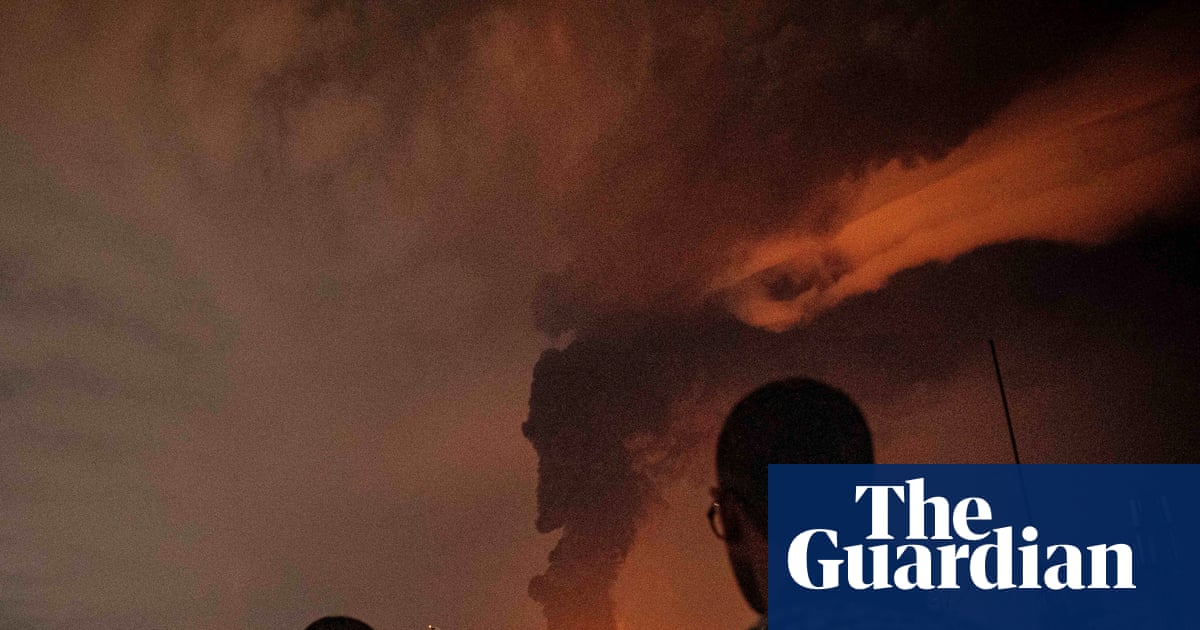
 The Guardian
‘Dark, like our future’: Iranians describe scenes of catastrophe after Tehran’s oil depots bombed

 TIME Magazine
Tehran Shrouded in Toxic Cloud After Israel Strikes Fuel Depots
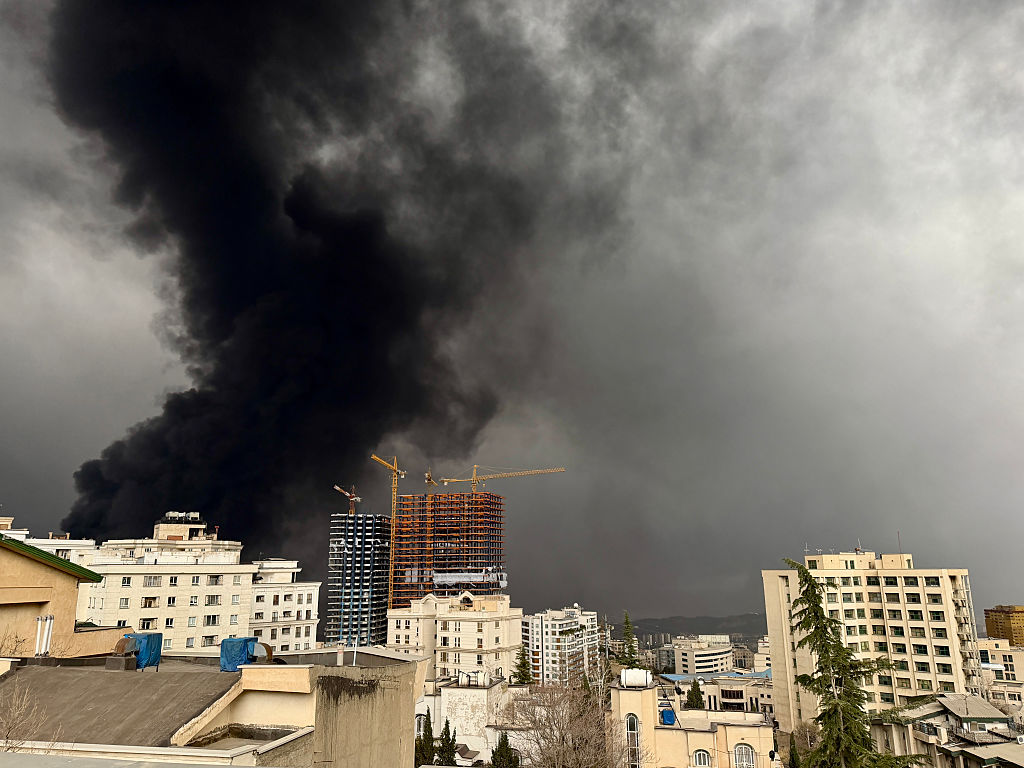
 Truthout
US-Israel Strikes on Tehran Oil Depots Blanket City in Smoke

 New York Post
‘Toxic’ black rain pours down on Tehran, massive fireballs fill skies following Israeli strikes on oil storage sites
Overview
Israeli strikes on Tehran's oil storage depots and a petroleum logistics site set ablaze multiple fuel facilities and blanketed Tehran in toxic smoke and black rain, Iranian officials and witnesses said.
The strikes are part of a joint U.S.-Israel campaign that launched on February 28 and entered its ninth day on Sunday, Iranian state media said.
Iran's Red Crescent warned the explosions released toxic hydrocarbon compounds, sulfur, and nitrogen oxides and said precipitation could be highly dangerous and acidic.
Reports put fatalities in Iran at roughly 1,000 to over 1,300, about 390 to 394 in Lebanon, and about a dozen in Israel, and Iran's Red Crescent said about 10,000 civilian structures were damaged.
Iran has responded by launching barrages of missiles and drones toward Israel and Gulf countries that host American military bases, according to the reports.
Analysis
Analysis unavailable for this viewpoint.
FAQ
Israeli strikes targeted at least four oil storage facilities and a petroleum transfer center in Tehran and surrounding areas. Specifically, Iranian state media reported that the Aghdasieh oil warehouse in northeast Tehran, the Shahran oil depot north of the city, an oil refinery in the south, and an oil depot in Karaj (west of Tehran) were among those hit.[3][4] The strikes also hit an oil production transfer center where four personnel, including two oil tanker drivers, were killed.[4]
The toxic smoke and acidic rainfall pose serious health risks including respiratory damage, skin chemical burns, and lung disease. Iran's Red Crescent Society warned that the oil depot explosions released significant quantities of toxic hydrocarbon compounds, sulfur, and nitrogen oxides into the air.[4] If precipitation occurs, the resulting rain is highly acidic and can cause chemical burns to the skin and severe damage to the lungs.[3][6] The organization advised residents to remain indoors and avoid exposure even after rainfall stopped due to toxicity from air evaporation.[2]
The strikes on Tehran's fuel depots represent the most significant attack on Iran's civilian industrial infrastructure since the joint U.S.-Israel campaign launched on February 28, 2026.[3] The attacks mark an escalation in the conflict as Iran continues its own strikes on Gulf Arab countries, including a desalination plant in Bahrain, while rejecting calls from U.S. President Donald Trump for unconditional surrender.[2] The campaign has killed more than 1,000 Iranian civilians and spiraled into a regional conflict involving hundreds of Iranian missiles and drones fired at Israel and American Gulf allies in retaliation.[3]
Since the start of the war on February 28, approximately 1,000 to 1,300 civilians have been killed in Iran, with roughly 390 to 394 killed in Lebanon and about a dozen in Israel.[2] Iran's Red Crescent reported that approximately 10,000 civilian structures have been damaged across the region.[2] Additionally, the strikes have disrupted daily life, with residents experiencing internet blackouts and being advised to remain indoors due to toxic pollution.
Iran's parliament speaker stated on Sunday that oil prices will continue to soar, inflicting pain on the global economy as long as the war in the Middle East continues.[4] The strikes have targeted critical energy infrastructure, though Iranian officials claimed the country maintains sufficient gasoline reserves despite the damage to fuel storage facilities.[4]
