Australia Grants Humanitarian Visas To Five Iranian Women Footballers
Five members of Iran's women's national team were granted humanitarian visas after safety fears sparked by an anthem protest; Australia said help is available to other team members.
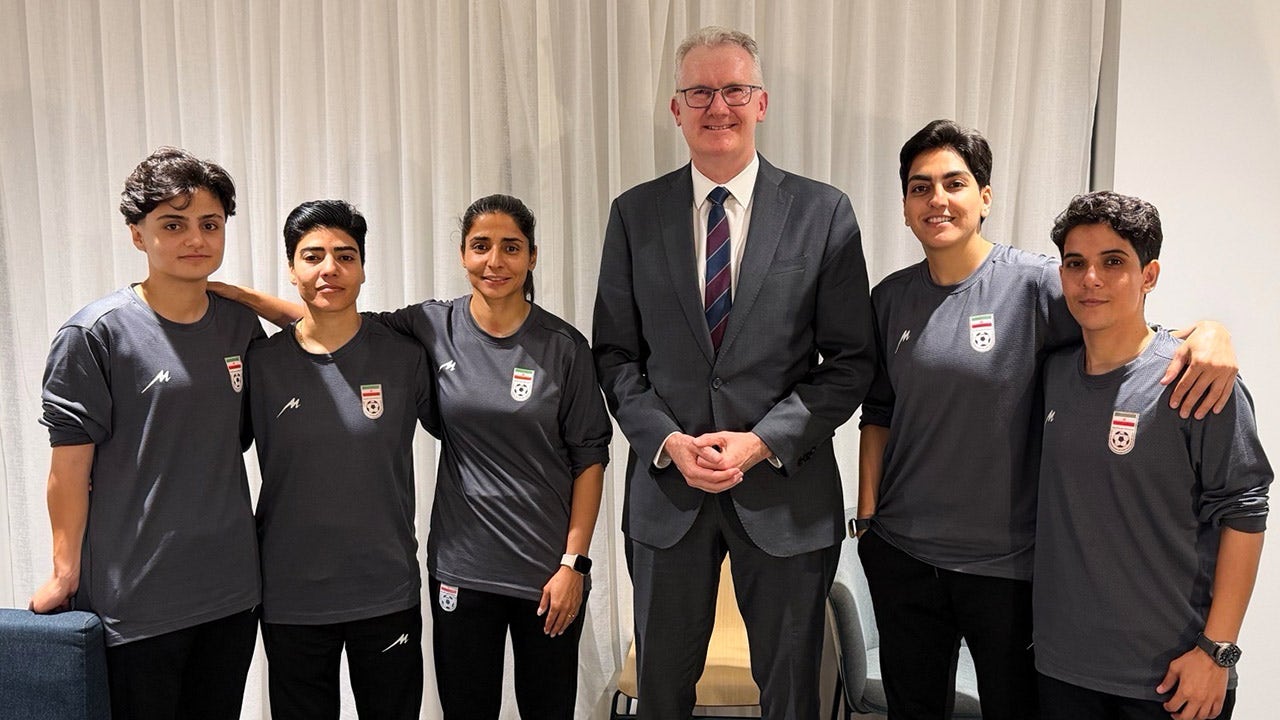
 FOX News
5 Iranian women's soccer players receive asylum in Australia after Trump pressure
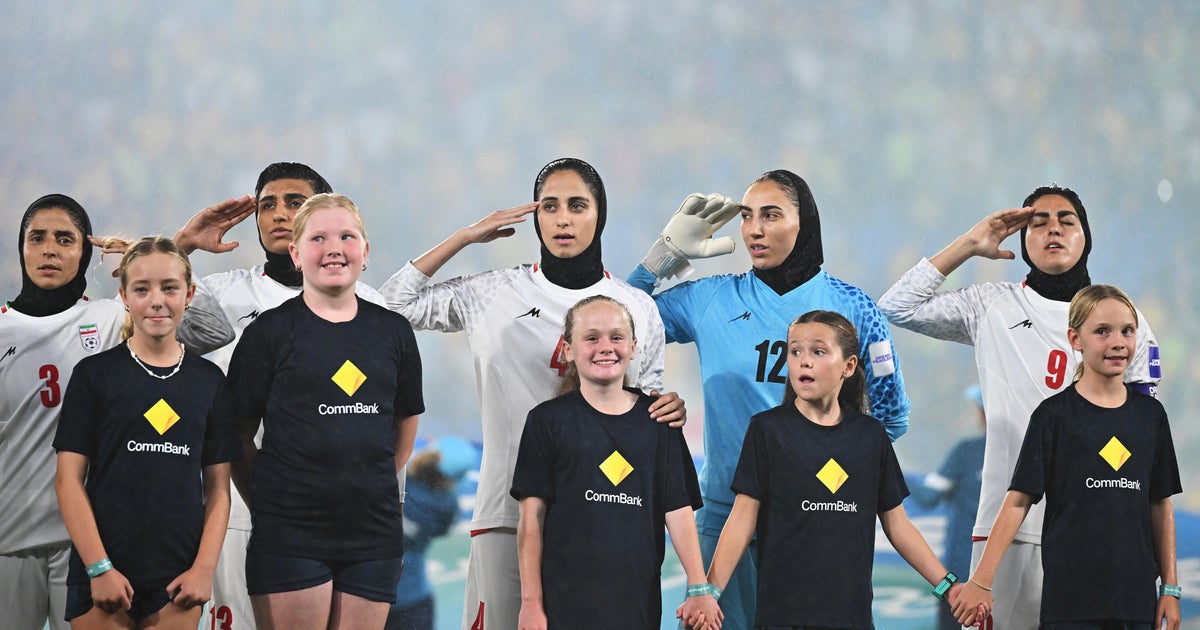
 CBS News
5 Iranian women soccer players who sought asylum in Australia allowed to stay, official say
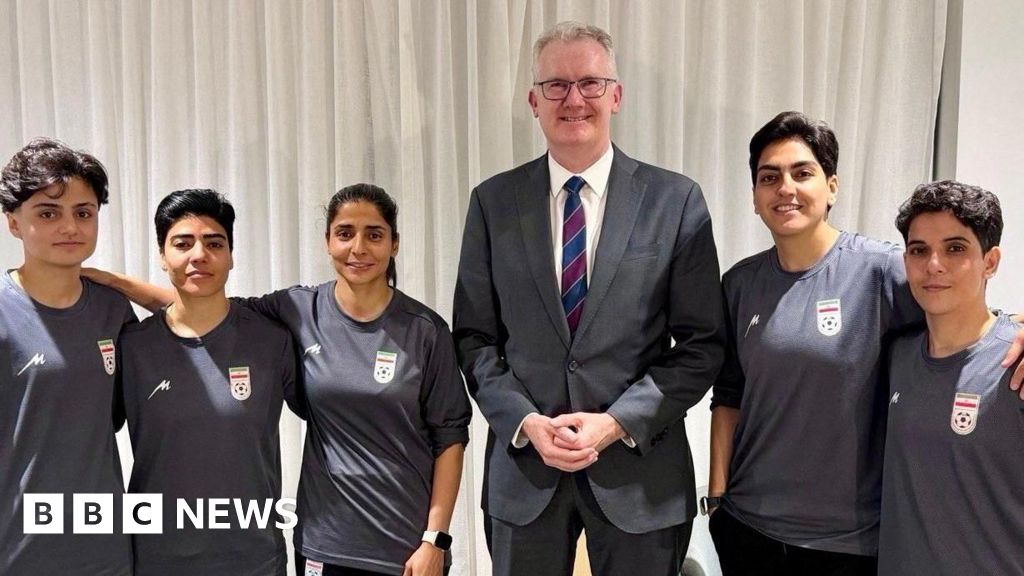
 BBC News
Five Iranian footballers granted Australian visas after anthem protest
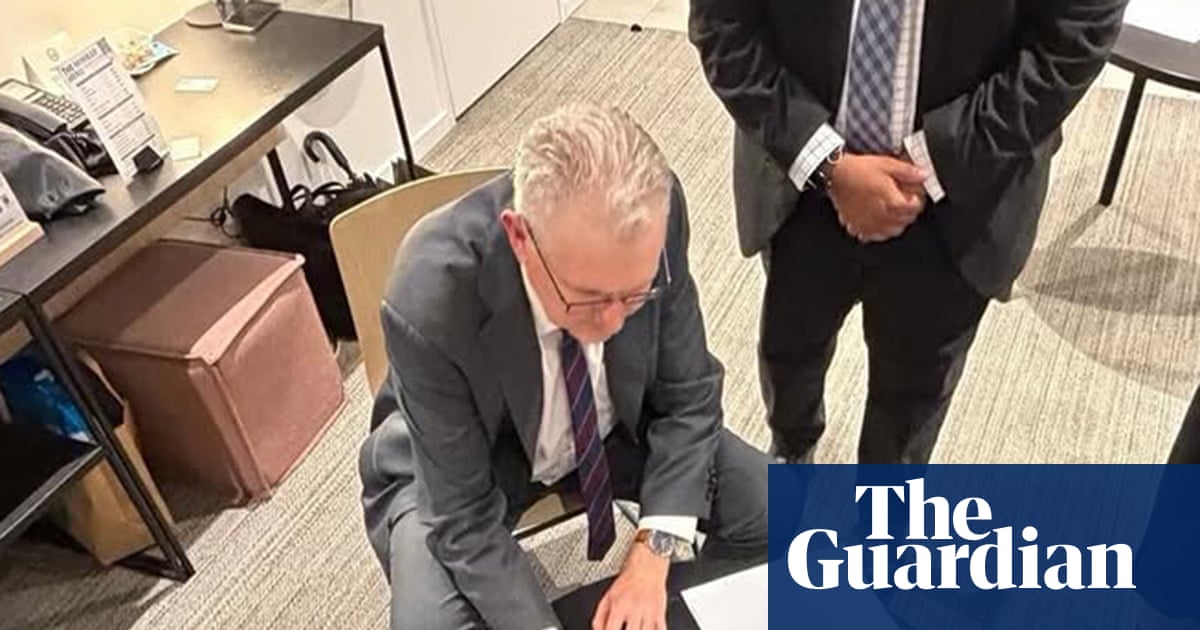
 The Guardian
‘They are safe here’: five Iranian women footballers granted humanitarian visas in Australia
Overview
Home Affairs Minister Tony Burke said five members of Iran's women's soccer team were moved to a safe location and granted humanitarian visas, with processing completed at 01:30 on Tuesday (15:30 GMT Monday).
The visas followed fears for the players' safety after several declined to sing Iran's national anthem before their opening match against South Korea on March 2, prompting criticism inside Iran.
Prime Minister Anthony Albanese and Burke said help was available to other team members, U.S. President Donald Trump urged asylum on social media, and Fifa said it remained in close contact with Australian authorities.
An official squad list named 26 players plus coach Marziyeh Jafari and other staff, and authorities noted Australia's humanitarian visa programme grants permanent protection and allows holders to live, work and study.
Officials said security agencies had cleared the women and that offers to meet Australian officials and seek assistance would remain open, while the timing of any departures for remaining players was unclear.
Analysis
Center-leaning sources frame the story as a human-rights and safety issue, emphasizing the players' vulnerability and Australian moral leadership. They foreground government and activist voices, use vivid scene-setting language (for example, “panicked,” “wailing and sobbing”) and diaspora reactions, while giving little space to Iranian officials’ perspective.
FAQ
They were granted visas due to safety fears after refusing to sing Iran's national anthem before their Asian Cup match against South Korea on March 2.
The visas grant permanent protection, allowing holders to live, work, and study in Australia.
Australia has stated that help is available to other team members, with offers to meet officials and seek assistance remaining open.
The team stood silently during the national anthem before their debut Asian Cup match against South Korea at Gold Coast Stadium, amid the Middle East war and the death of Ayatollah Ali Khamenei.
Coach Marziyeh Jafari and captain Zahra Ghanbari led the protest, with Home Affairs Minister Tony Burke and Prime Minister Anthony Albanese offering support.

