Australia Grants Asylum To Two More Iranian Women's Football Delegates
Two additional Iranian women’s football delegates received humanitarian visas, bringing the total to seven, amid safety concerns after players did not sing the national anthem.

 Al Jazeera
Australia grants asylum to 2 more members of Iranian women’s football team
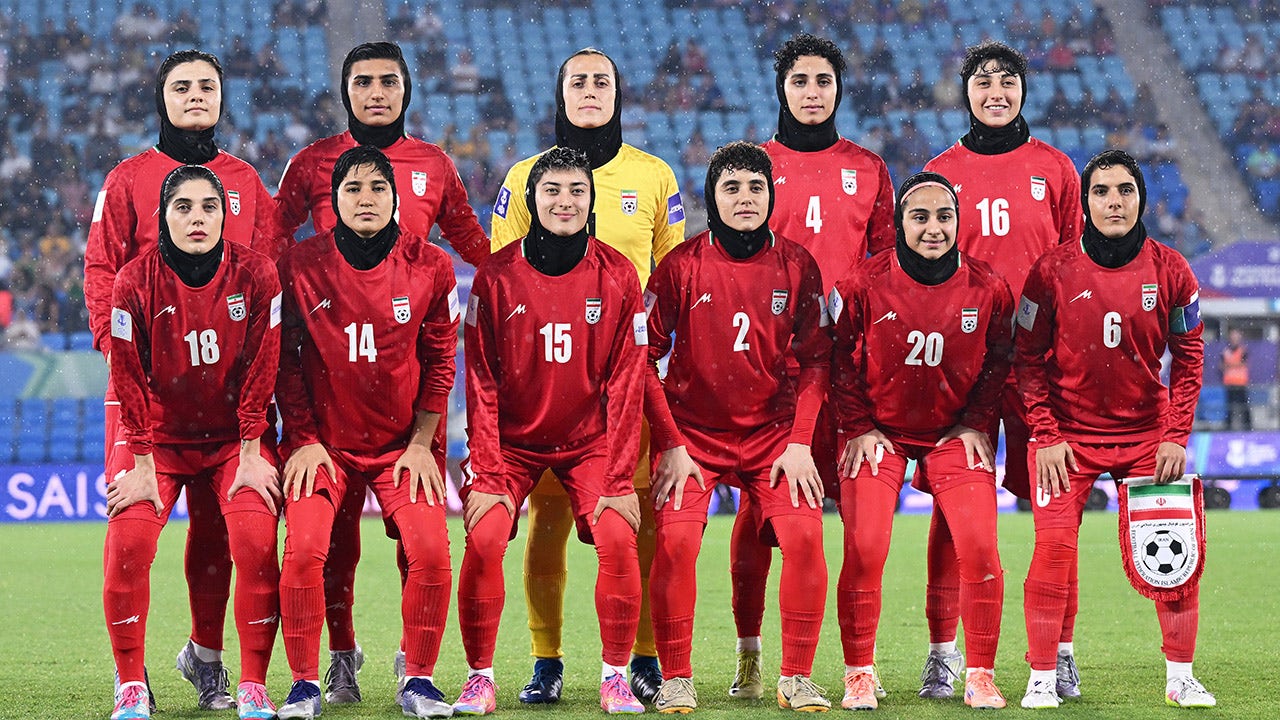
 FOX News
More Iranian women's soccer personnel accept asylum in Australia amid threat of punishment in home country
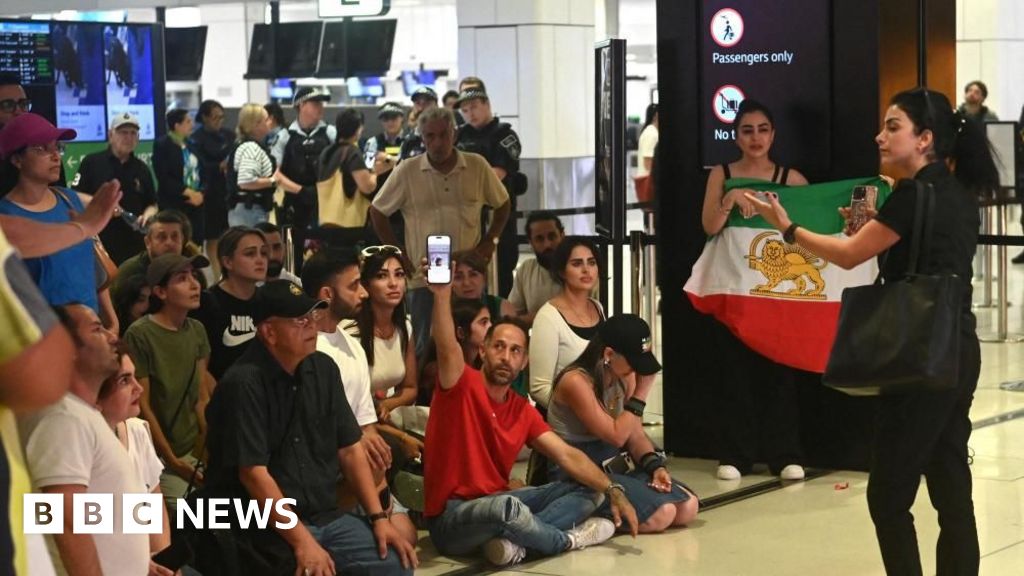
 BBC News
Two more connected to Iranian football team stay in Australia, BBC understands

 PBS NewsHour
Australia grants asylum to 2 more members of Iranian women’s soccer team
Overview
Australia granted humanitarian visas to two more members of the Iranian women’s football delegation, bringing to seven the number of people offered asylum, Home Affairs Minister Tony Burke said.
The offers followed safety concerns after some players did not sing the national anthem before their match against South Korea and after the team was knocked out of the Women’s Asian Cup over the weekend.
Prime Minister Anthony Albanese said the women were safe in Australia and should feel at home.
The seven recipients received temporary humanitarian visas that provide a pathway to permanent residency, Burke said.
Burke said Australian officials took team members aside individually at Sydney airport, separated them from minders, and reiterated the offer to most of the delegation before departure.
Analysis
Center-leaning sources frame the story as politically charged by foregrounding asylum and ties to international pressure — noting Trump’s urging and Iranian state media’s “traitors” label — while juxtaposing players’ insistence they are “not political activists.” The sourcing and ordering emphasize diplomatic controversy more than players’ personal safety details.
FAQ
Seven members of the Iranian women’s football delegation have received humanitarian visas in Australia.
Safety concerns arose after players refused to sing the national anthem or perform the military salute before their match against South Korea, leading to them being labeled 'traitors' by Iranian state media, and they made SOS signals from their team bus.
The seven recipients received temporary humanitarian visas that provide a pathway to permanent residency.
Australian officials took team members aside individually at Sydney airport, separated them from minders, and reiterated the offer of asylum to most of the delegation before departure.
The protest occurred shortly after the death of Iran's Supreme Leader Ali Khamenei and amid the US-Iran conflict, during the Women’s Asian Cup where the team was eliminated after losses to South Korea, Australia, and the Philippines.