U.S. Strikes Destroy Iranian Minelayers Near Strait Of Hormuz
U.S. forces struck and destroyed roughly 10 to 16 Iranian minelaying vessels near the Strait of Hormuz amid an 'intense' day of strikes and rising concern over oil flows.

 Daily Beast
Trump Goon Throws Staffer Under the Bus After Bogus Claim

 New York Post
Americans divided on Iran war along party lines: polls

 The Guardian
Trump news at a glance: war on Iran is either ‘very complete’ or just starting, depending on who is talking
 Military Times
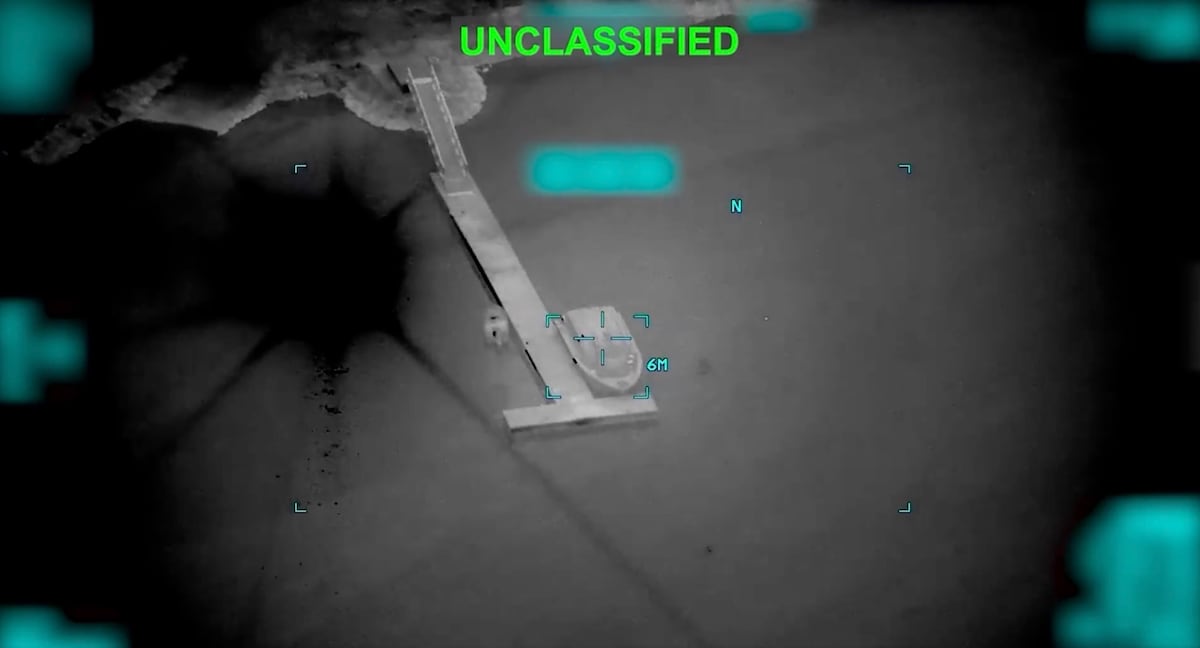
US destroys 16 Iranian mine-laying boats, CENTCOM claims
Overview
U.S. forces struck and destroyed roughly 10 to 16 Iranian minelaying vessels operating near the Strait of Hormuz, U.S. Central Command said, and released a 34-second video clip.
The strikes followed President Donald Trump's warning of unprecedented military consequences if mines were placed in the waterway that carries about 20% of global oil and roughly 100 vessels daily.
Defense Secretary Pete Hegseth said Tuesday would be the "most intense" day of strikes and warned Iran had been "officially put on notice," while Iranian officials vowed defiance.
The Pentagon said roughly 140 U.S. service members were wounded since Feb. 28, eight severely, 108 returned to duty and seven have died, while U.S. officials said more than 5,000 targets had been struck.
White House press secretary Karoline Leavitt said military plans aim to keep the Strait of Hormuz open, and the International Energy Agency and G7 nations discussed releasing crude to stabilise oil markets.
Analysis
Center-leaning sources frame the story by foregrounding u.s. military claims and economic risk, using editorial choices that amplify official statements (CENTCOM video, Pentagon briefings, anonymous officials) while treating hostile rhetoric as newsworthy quotes. editorial placement shapes the narrative, while violent phrasing typically appears as source content in quoted officials.
FAQ
The Strait of Hormuz is the world's most important oil chokepoint, with approximately 20-21% of global oil consumption flowing through it daily—roughly 20-21 million barrels per day.[4][5] It also handles about one-fifth of global liquefied natural gas trade, primarily from Qatar.[5] Located between Oman and Iran, the strait connects the Persian Gulf to the Arabian Sea and serves as the primary export route for major oil producers including Saudi Arabia, Iraq, Kuwait, and the UAE.[6] Any disruption could trigger a major surge in global energy prices, with JP Morgan estimating a full blockade could push oil prices beyond $120-130 per barrel.[2]
A disruption of the Strait would cause massive economic and geopolitical repercussions, particularly for energy-dependent nations like India and China.[3] Global oil prices would skyrocket, with Bloomberg Economics analysis showing oil prices tend to rise 4% for every 1% decrease in supply.[2] The disruption would send shockwaves across global markets and impact economies worldwide.[3] However, Saudi Arabia and the UAE have partial mitigation options: Saudi Arabia can use the East-West Crude Oil Pipeline to divert shipments to Red Sea ports, and the UAE can bypass the strait through a pipeline ending on the Gulf of Oman coast in Fujairah.[2]
Approximately 100 vessels transit the Strait of Hormuz daily.[2] The strait carries crude oil, petroleum products such as diesel, and liquefied natural gas (LNG), with Qatar's exports as the world's third-largest LNG exporter dependent on transiting through the strait.[2] In 2024 and the first quarter of 2025, flows through the strait made up more than one-quarter of total global seaborne oil trade and about one-fifth of global oil and petroleum product consumption.[5]
Iran operates minelaying vessels in the Strait of Hormuz, with U.S. forces destroying 10-16 such vessels according to CENTCOM.[2] Defense Secretary Pete Hegseth outlined broader U.S. goals to destroy Iran's missiles, missile launchers, defense industrial base, and navy.[2] The narrow width of the strait—only about 33 km at its narrowest point with even narrower shipping lanes—makes it particularly vulnerable to disruption from Iranian naval assets, as even small disruptions here can affect global energy prices and supply.[6]
The International Energy Agency and G7 discussed releasing crude oil reserves to stabilize oil markets in response to the military tensions.[2] Additionally, military plans aim to keep the Strait of Hormuz open to ensure continued oil and gas flows.[2] These measures are designed to prevent the kind of dramatic price spikes that would occur if the strategic waterway were disrupted.

