Six Iranian Women Soccer Players Stay in Australia After Asylum Offers; One Returns
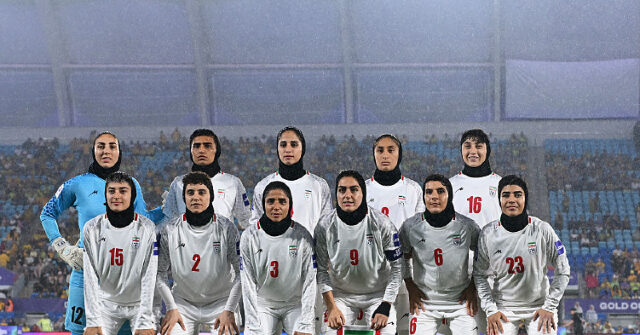
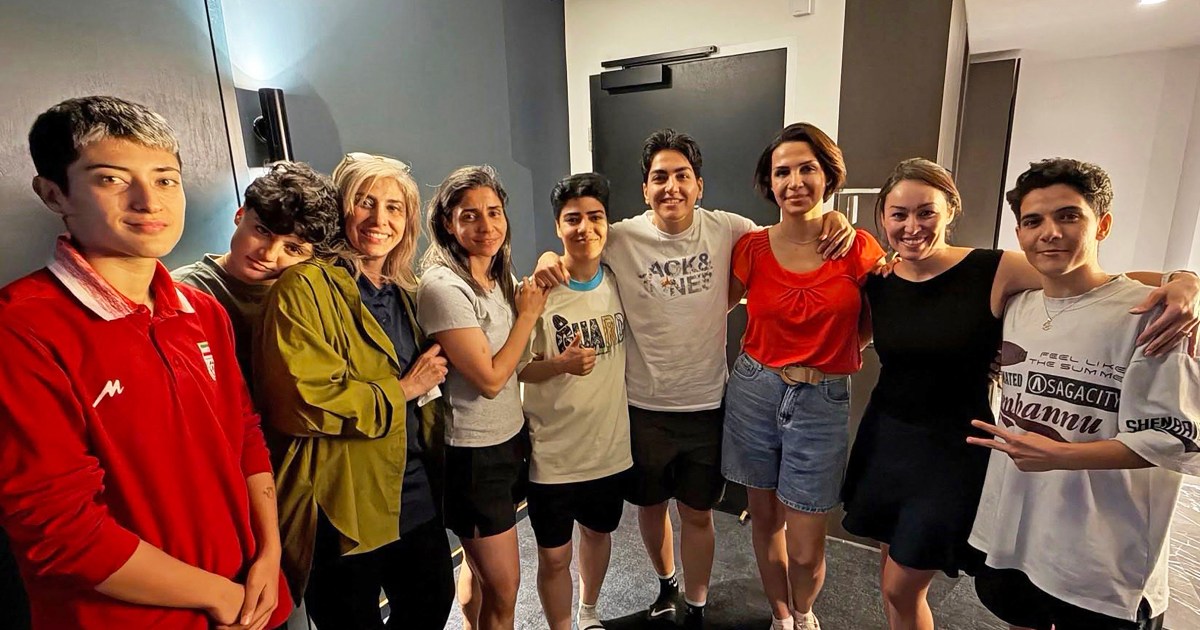
Six Iranian national women’s soccer team members will remain in Australia after accepting humanitarian visas, while one who initially accepted decided to return, officials said.

 NPR
NPRAustralia shelters 7 Iranian women's soccer team members, but 1 wants to go back
 Breitbart News
Iranian Thugs Chased, Mocked as They Search for Missing Women's Soccer Player: 'Get the F*ck Out'

 New York Post
Aussie woman chases away Iranian goons as they hunt women’s soccer players who escaped hotel: ‘Get the f–k out’
 NBC News
Iranian soccer team leaves Australia, with seven women staying behind
Overview
Six of seven Iranian national women's soccer team members accepted humanitarian visas to stay in Australia, while one who initially accepted later decided to return, Home Affairs Minister Tony Burke said.
The team had been in Australia to play in the Asian Women's Cup and stayed silent during the national anthem on March 2, drawing international attention and fears of reprisals.
Australian officials individually questioned players at Sydney airport, separated them from staff, and moved the women to undisclosed locations for security, Burke said.
Iran's foreign ministry spokesperson Esmaeil Baqaei said "Iran awaits you with open arms," while Iran's football federation head Mehdi Taj accused Australia of kidnapping and President Donald Trump urged Australia to act.
The Asian Football Confederation said the rest of the squad travelled to Kuala Lumpur and would be supported until onward travel is confirmed, and Australian officials pledged housing, health and permanent-residency support for the six women.
Analysis
Center-leaning sources frame the story as a humanitarian crisis and an Australian rescue narrative, using emotive terms ('tearful protests', 'dramatic conclusion') and prioritizing government voices who emphasize offers of safety. Quotes from Iranian officials are included but positioned as denials; vivid images and selective detail amplify perceived threats and sympathy for the players.
FAQ
The players refused to sing Iran's national anthem during a match on March 2, drawing criticism from Iranian state media as 'traitors' and fears of reprisals or persecution upon return.
Six of the seven Iranian players accepted humanitarian visas to stay in Australia; one who initially accepted later decided to return home.
Australia is providing housing, health services, permanent-residency support, and safe locations protected by federal police for the six players.
Officials questioned players individually at Sydney airport, separated them from Iranian staff and minders, allowed family calls, and moved them to undisclosed secure locations.
Iran's foreign ministry invited them back with 'open arms,' the football federation accused Australia of kidnapping; President Trump urged asylum on social media; diaspora protested at the airport urging them to stay.

