ROTC Students Subdue Gunman After Old Dominion Shooting
ROTC students subdued and killed Mohamed Bailor Jalloh after he opened fire at Old Dominion University, killing an instructor and wounding two, the FBI said.
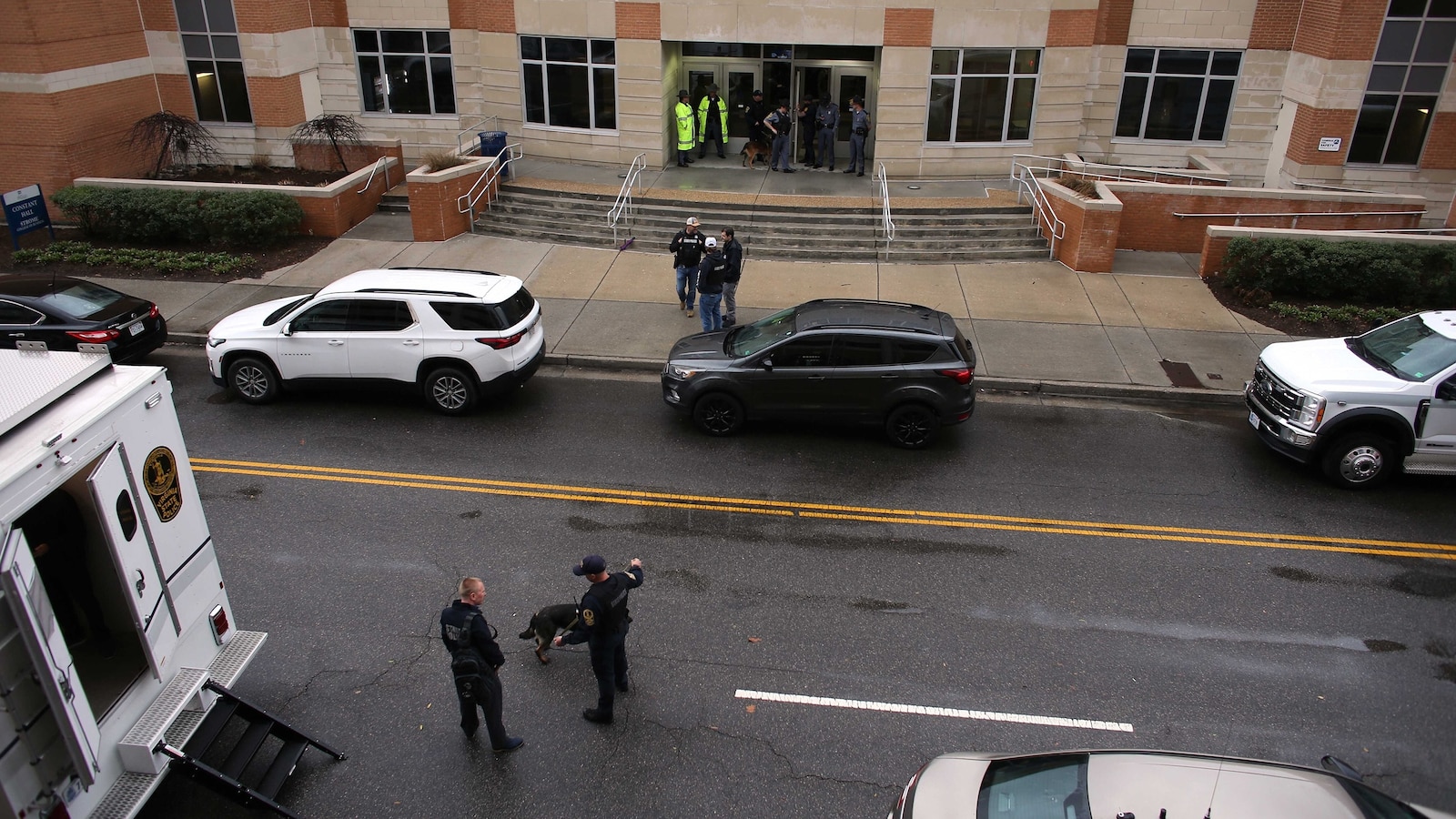
 ABC News
ROTC students subdued and killed Old Dominion University gunman, officials say
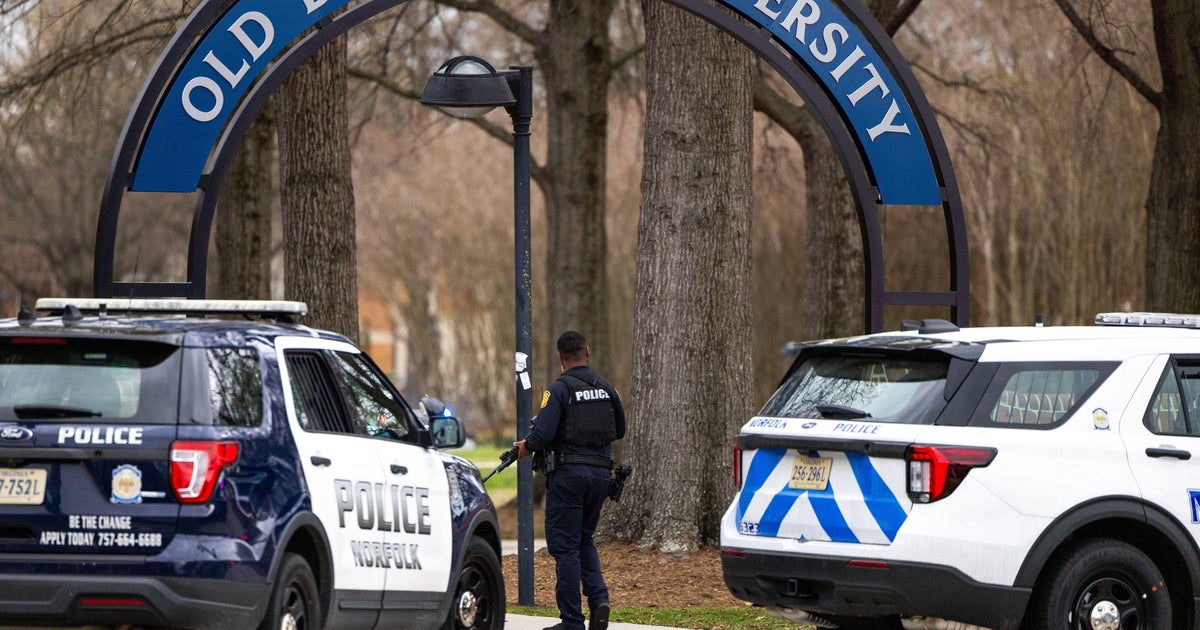
 CBS News
Old Dominion University shooting that killed 1 being investigated as terrorism; gunman was previously convicted for ISIS support
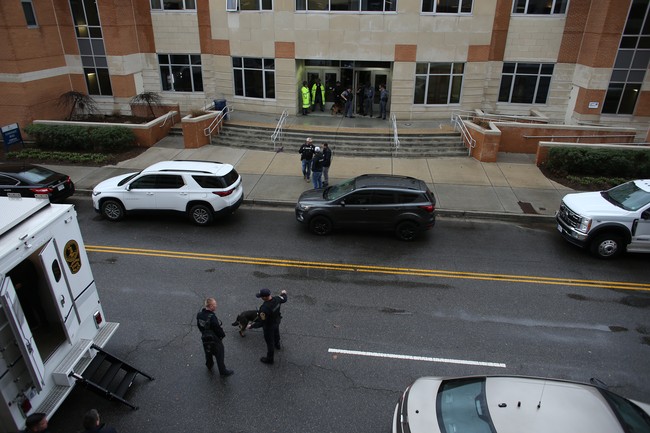
 Hot Air
Old Dominion University Shooting Being Investigated as Terrorism
 RedState
Watch: Left-Wing Norfolk DA Gives Insane Presser on ISIS Attack, and We've Never Been More Cooked
Overview
ROTC students subdued and killed the gunman after he opened fire in a classroom at Old Dominion University, leaving one instructor dead and two others wounded, the FBI said.
The suspect, identified as 36-year-old Mohamed Bailor Jalloh, allegedly asked whether the class was an ROTC course and then opened fire, and witnesses said he shouted "Allahu Akbar," FBI officials said.
The FBI is treating the shooting as an act of terrorism because Jalloh pleaded guilty in October 2016 to attempting to provide material support to ISIS, FBI Special Agent in Charge Dominique Evans said.
Old Dominion officials said classes were canceled for the rest of the day and Friday, and Virginia Gov. Abigail Spanberger said state support was being mobilized after the attack.
Investigators are continuing to search Constant Hall and the campus while the FBI's Joint Terrorism Task Force works with local police, and authorities said there is no longer an active threat to campus.
Analysis
Center-leaning sources frame the shooting primarily as an act of terrorism linked to the suspect's prior ISIS support, emphasizing official labels, his 2016 conviction, and that he shouted "Allahu Akbar." Editorial choices foreground past charges and law-enforcement characterizations; mitigating defense statements and personal-trauma details are presented but receive less contextual emphasis overall.
FAQ
Mohamed Bailor Jalloh was sentenced to 11 years in prison in 2016 for attempting to provide material support to ISIS, and he was released early in December 2024 after completing his sentence or through early release provisions of his conviction.[1] The search results do not provide specific details about whether he was released early through parole, good behavior credits, or other mechanisms, or whether his release was considered controversial at the time.
Jalloh became radicalized while serving in the Virginia National Guard between 2009 and 2015 after listening to lectures by deceased al-Qaeda cleric Anwar al-Awlaki, who was referred to by media as a "hate preacher."[1] The search results do not provide additional details about the specific content of these lectures or how he was exposed to them during his service.
Jalloh walked into a classroom in Constant Hall around 11 a.m. and asked if it was an ROTC class.[1] After someone confirmed it was an ROTC course, he opened fire and fatally injured the class instructor, who was a retired Army officer.[1] Officers responded within less than 10 minutes and found the shooter dead, though authorities have not yet determined the full cause of death or whether officers fired a weapon.[2] The search results indicate that the gunman was subdued and killed but do not provide specific details about how ROTC students directly subdued him.
One victim was a retired Army officer who served as the class instructor and was fatally wounded in the attack.[1] Two other victims affiliated with the university were wounded; they are members of the Army Reserve Officers' Training Corps at ODU.[2] Two of the victims were transported to Sentara Norfolk General Hospital, where one victim passed away and the other remained in critical condition.[2] The search results do not provide the specific names or additional identifying information about the victims.
The FBI is treating the shooting as an act of terrorism because the suspect, Mohamed Bailor Jalloh, pleaded guilty in October 2016 to attempting to provide material support to ISIS and admitted to trying to donate money to ISIL and commit a domestic attack in its name.[1] His prior conviction and known ties to extremist ideology make this investigation fall under terrorism-related protocols.