U.S. Temporarily Lifts Sanctions on Russian Oil Amid Iran War
Treasury exempts oil already at sea for 30 days through April 11 to ease supply shocks, drawing criticism from Europe and Ukraine as prices remain above $100 per barrel.

 Straight Arrow News
The plan behind Russian oil sanctions and why a reversal faces backlash
 PBS NewsHour
U.S. eases some sanctions on Russian oil, but crude prices remain high

 The Guardian
Europe rebukes US for temporarily lifting sanctions on Russian oil
 Associated Press
US eases some Russian oil sanctions but crude prices stay high
Overview
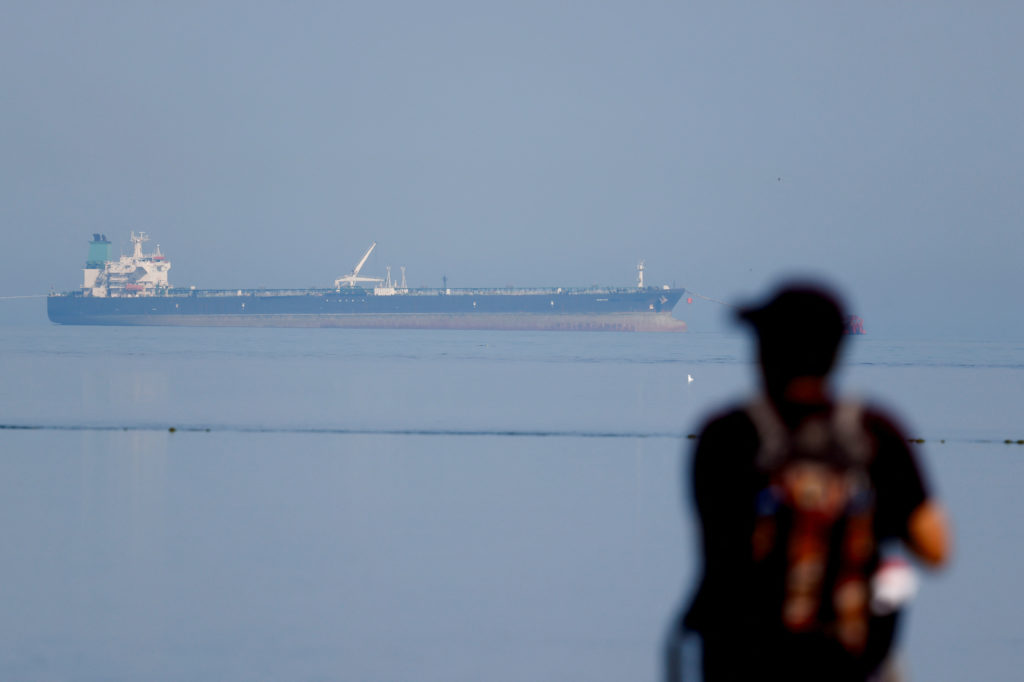
The U.S. Treasury exempted Russian oil already loaded on tankers from sanctions for 30 days until April 11, a measure Treasury Secretary Scott Bessent said was meant to stabilize global energy markets.
The move responded to supply disruptions linked to the war involving Iran and attacks in the Gulf, with Brent crude trading at $103.24 per barrel as of 1800 GMT Friday, according to reporting.
European leaders including Emmanuel Macron, Friedrich Merz and EU Council President António Costa criticized the decision, and Ukrainian President Volodymyr Zelensky said it could provide Russia about $10 billion for the war.
Analysts estimate roughly 100 to 125 million barrels of Russian oil are at sea, while reports say Urals rose over $30 per barrel, yielding about $150 million extra per day.
Democrats have asked Bessent to testify before a Senate committee, and officials and analysts warned the 30-day reprieve could become permanent and erode the sanctions price-cap regime.
Analysis
Center-leaning sources largely remain neutral: they present administration justification (Treasury's 'narrowly tailored' exemption and rationale about stranded oil), record bipartisan criticism and international responses (Democrats' warnings, UK/France objections), and include Russian and private negotiator comments. Editorial wording is minimal and sourcing is diverse, limiting overt framing.
FAQ
The waiver aims to stabilize global energy markets by allowing the sale, delivery, and offloading of Russian crude oil and petroleum products already loaded on vessels before March 12, 2026, amid supply disruptions from the Iran war.
The waiver is valid for 30 days, from March 12, 2026, through April 11, 2026, and applies to transactions necessary for the sale, delivery, or offloading of Russian-origin oil loaded on vessels by 12:01 a.m. EDT on March 12, including even blocked vessels.[3]
Analysts estimate 100 to 125 million barrels of Russian oil are at sea, with Vortexa data indicating about 60 million barrels loaded prior to March 6, including 36 million on sanctioned tankers.[1]
European leaders like Emmanuel Macron, Friedrich Merz, and António Costa, along with Ukrainian President Volodymyr Zelensky, criticized it, with Zelensky estimating it could provide Russia about $10 billion for the war.[story]
Brent crude is trading at $103.24 per barrel as of Friday, due to supply disruptions from the war involving Iran and attacks in the Gulf, including the Strait of Hormuz.[story][2]