Jürgen Habermas Dies at 96; Publisher Confirms
Publisher Suhrkamp said Jürgen Habermas died in Starnberg at 96; his theory of communicative action shaped postwar political thought in Germany and Europe.
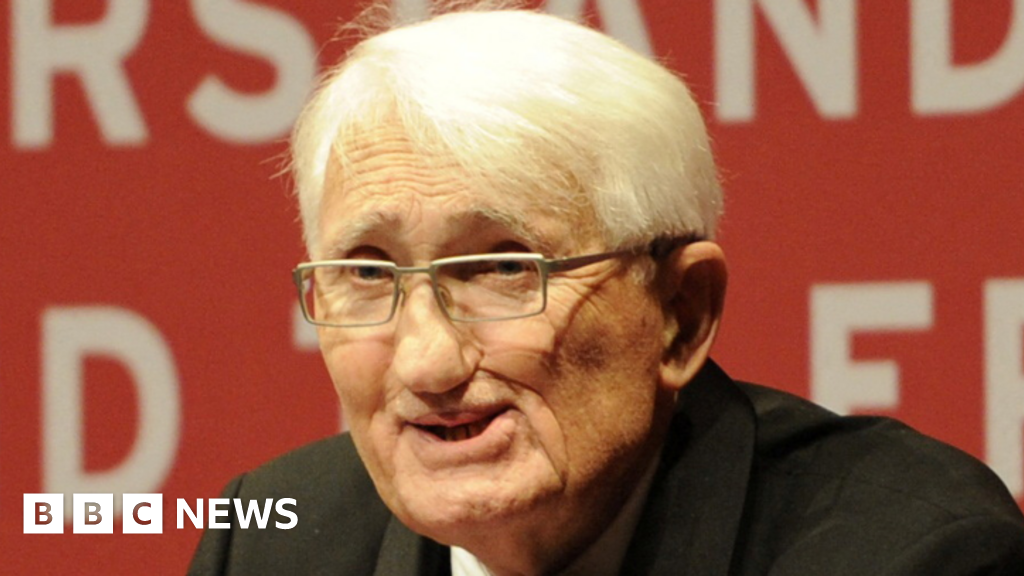
 BBC News
German philosopher and social critic Jürgen Habermas dies at 96
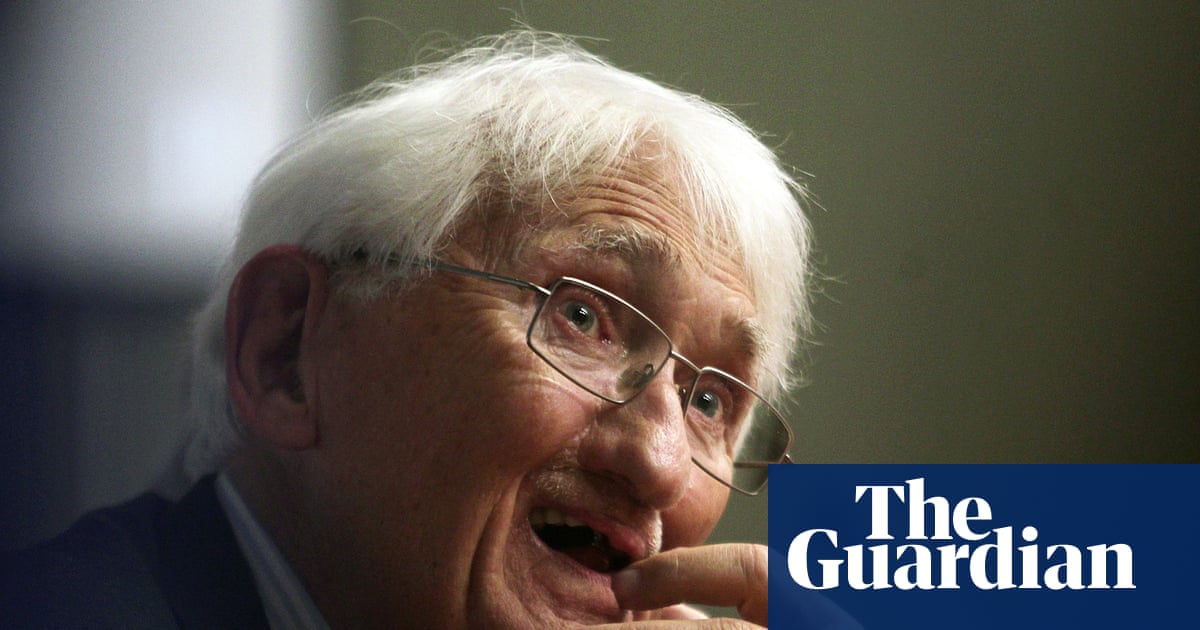
 The Guardian
Jürgen Habermas, German philosopher and sociologist, dies aged 96
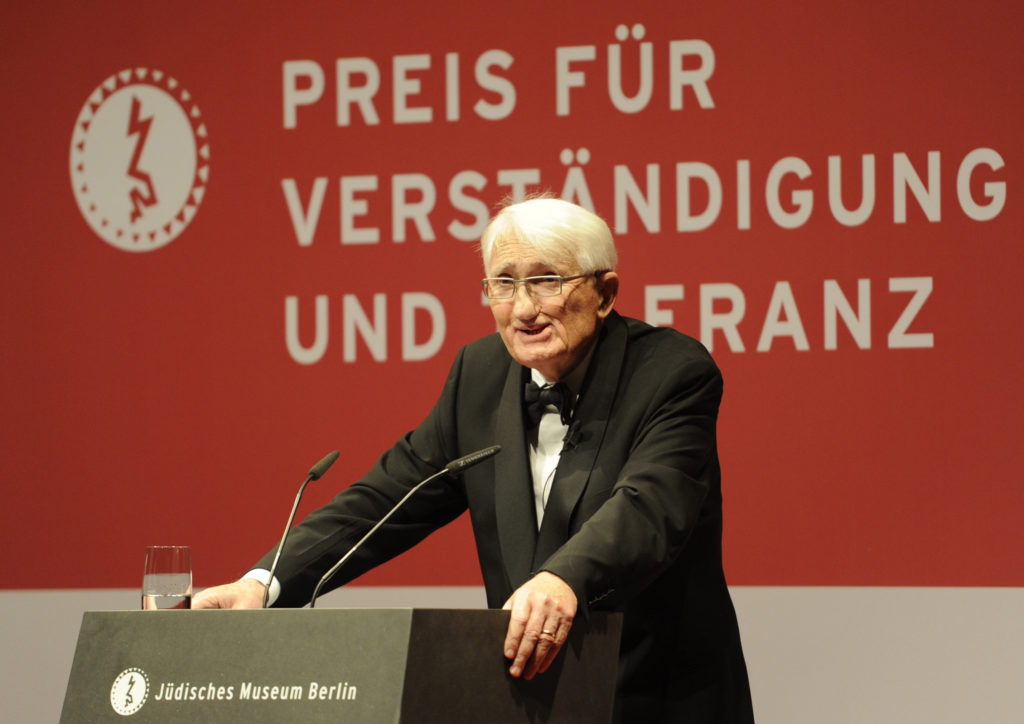
 PBS NewsHour
Influential German philosopher Jürgen Habermas dies at 96
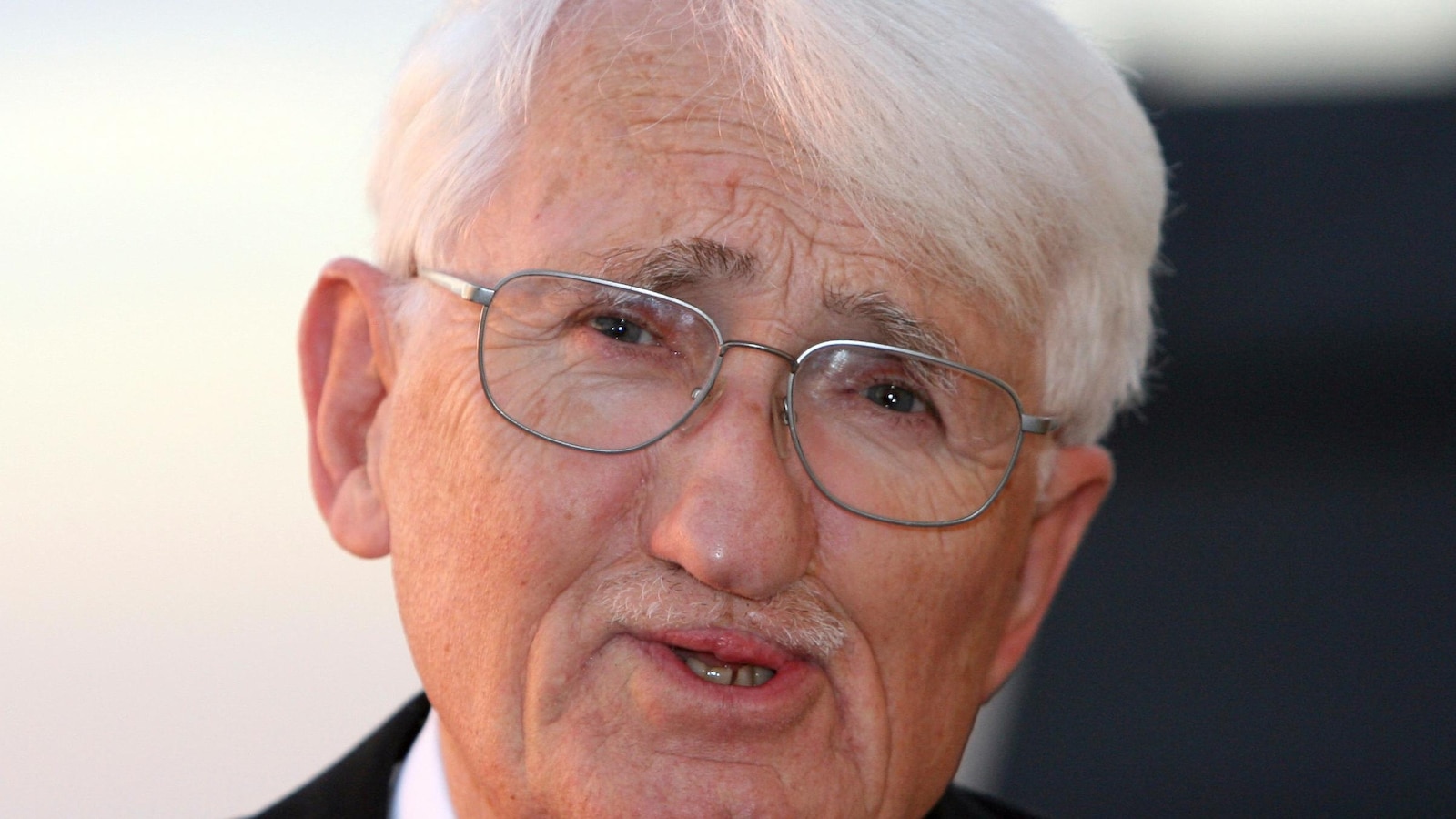
 ABC News
Influential philosopher Jürgen Habermas dies at 96
 Associated Press
Jürgen Habermas, influential German philosopher, dies at 96
Overview
Publisher Suhrkamp said Jürgen Habermas died on Saturday in Starnberg near Munich at the age of 96.
Habermas wrote The Theory of Communicative Action and was a leading figure of the Frankfurt School whose work shaped debates on democracy, communication and European integration.
Chancellor Friedrich Merz said Germany and Europe have lost one of the most significant thinkers of our time and that Habermas' voice will be missed.
He was born on June 18, 1929, joined the Deutsches Jungvolk at 10, and his father joined the Nazi Party in 1933; he is survived by two of his three children.
His most recent book, Things Needed to Get Better, was published in December last year and he continued to comment on politics and Europe into old age.
Analysis
Center-leaning sources cover this obituary neutrally: they use factual, descriptive language and attribute evaluations to named figures (for example, Chancellor Merz’s praise). The piece balances achievements with controversies (the historians’ dispute; 1960s student movement), organizes life events chronologically, and keeps opinion clearly within quoted or attributed source content.
FAQ
Habermas is best known for his Theory of Communicative Action, a key work that shaped postwar political thought, debates on democracy, communication, and European integration as a leading figure of the Frankfurt School.
The Frankfurt School is associated with critical theory, incorporating social sciences and philosophy to critique capitalist societies; Habermas led its second generation, developing discourse theory and bridging continental and analytic traditions.[1]
Born June 18, 1929, he joined Deutsches Jungvolk at age 10, his father joined the Nazi Party in 1933, and he is survived by two of his three children.[story]
His most recent book, Things Needed to Get Better, was published in December 2024, and he continued commenting on politics and Europe into old age.[story]
Chancellor Friedrich Merz stated that Germany and Europe lost one of the most significant thinkers of our time and that Habermas's voice will be missed.[story]