Three More Iran Women Footballers Withdraw Asylum Claims In Australia
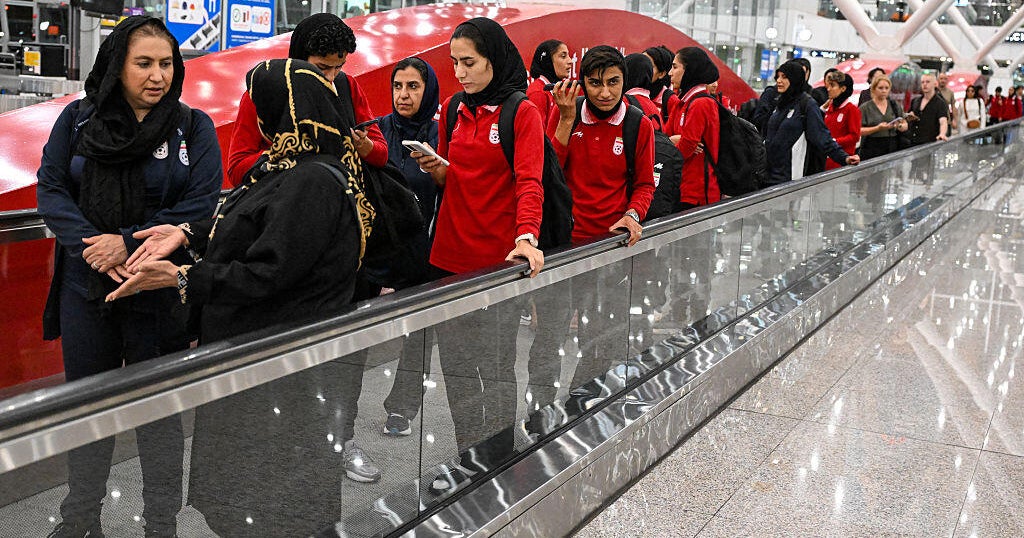
Three of seven Iranian women’s football delegation in Australia decided to leave, Australian officials and Iranian state media said, with the trio flying to Kuala Lumpur to join the rest of the squad.
 CBS News
3 more members of Iran women's soccer team change course, decline to accept asylum in Australia
 Associated Press
Another 3 members of Iran's women's soccer team decide against staying in Australia as refugees
 BBC News
Three more Iran football team members change minds over asylum

 Al Jazeera
Three members of Iranian women’s football team pull Australia asylum bids
Overview
Three members of the Iranian women's football team who had accepted humanitarian visas in Australia decided to join the rest of the squad's journey back, Australia's Home Affairs Minister Tony Burke said.
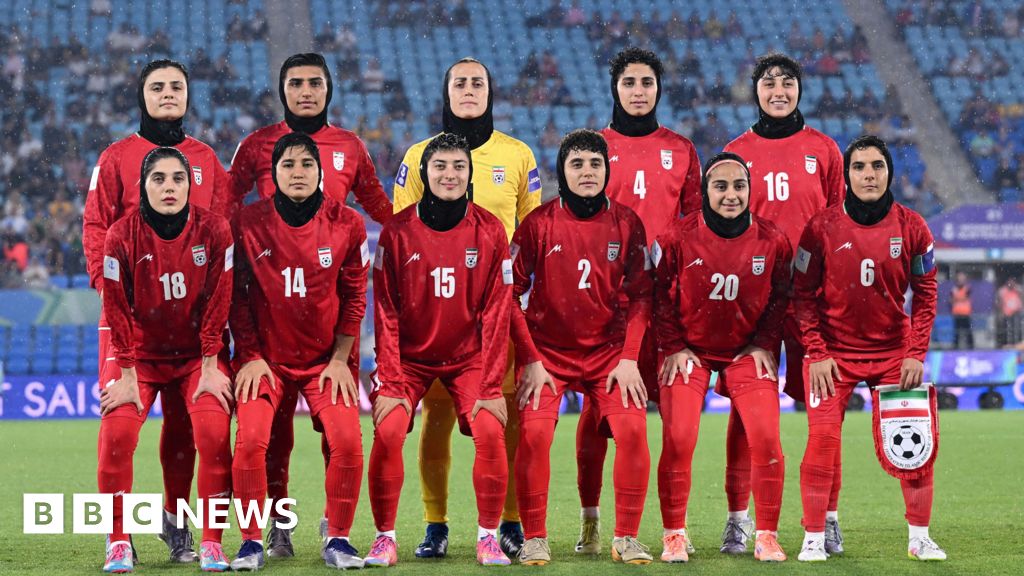
Concerns about the team's safety heightened when the players didn't sing the Iranian national anthem before their first match, reporting said.
Australia's Home Affairs Minister Tony Burke said officials gave the players repeated chances to talk about their options.
The departures leave three of an initial seven squad members remaining in Australia, Australian officials said.
Iran's Tasnim News Agency and Iran's sports ministry said the latest three were two players and a support staff member who were heading to Kuala Lumpur to join the rest of the squad.
Analysis
Center-leaning sources present this report neutrally: they focus on factual chronology, include official statements (Australian minister Tony Burke) and Iranian state agency quotes, and avoid evaluative adjectives. Coverage balances perspectives by reporting both the players' decisions and safety concerns without adopting a judgmental tone or privileging one narrative.
FAQ
The players' silence during the Iranian national anthem before their March 2nd match against South Korea was widely considered an act of protest[1]. While the exact motivations of individual players weren't explicitly detailed in statements, the context suggests the protest was related to the geopolitical situation, as the team had arrived in Australia before US-Israeli strikes began on February 28th, and players faced the prospect of returning to a war-torn country[1]. Iranian state television responded harshly, labeling the protesting players "wartime traitors" for their silent demonstration[1].
Sources who visited the team's hotel reported that the players were under "very tight security measures" imposed by Iranian officials, who appeared concerned that some players might attempt to seek asylum[3]. Additionally, a witness told Australian broadcaster SBS that several players remained seated on the field after the team's final match against the Philippines and appeared reluctant to leave, raising concerns they were under pressure and did not want to return to Iran[3]. The players were also required to wear compulsory hijab during all public appearances while representing the national team[3].
After one player initially accepted asylum but then changed her mind, she decided to contact the Iranian embassy on advice from her teammates and coach[1]. This contact created what Australian Home Affairs Minister Tony Burke described as a "domino effect," as the Iranian embassy then learned the location where all the asylum seekers were being held[1]. Burke expressed concern about this development, stating "There were some people leaving Australia who I am glad they're no longer in Australia," referring to staff members with connections to Iran's Revolutionary Guard who were not offered visas[1].
The Iranian women's national football team had arrived in Australia for the Women's Asian Cup before US-Israeli strikes began on February 28th[1]. Upon the team's group-stage elimination, players faced the immediate prospect of returning to a war-torn country[1]. President Trump amplified concerns about their safety, posting on social media that the women would "most likely be killed" if forced to return to Iran[2]. This escalating geopolitical tension, combined with the international attention generated by the anthem protest, created significant pressure and safety concerns that prompted some players to seek asylum[2].
The search results indicate that three of the seven players who initially accepted humanitarian visas later decided to withdraw their asylum claims and join the rest of the squad in leaving Australia, with the trio flying to Kuala Lumpur[1]. However, the specific reasons why these three players changed their minds were not detailed in the available sources. Iranian Football Federation head Mehdi Taj claimed on state television that players had been told "baseless claims" about arrest and execution if they returned to Iran, suggesting misinformation may have influenced some decisions, though this characterization was disputed by Australian officials[4].
