Trump Urges Allies to Secure Strait After Strikes on Iranian Sites
Trump urged allies to send warships to keep the Strait of Hormuz open after US and Israeli strikes on Iranian sites killed at least 15 and hit Kharg Island military targets.
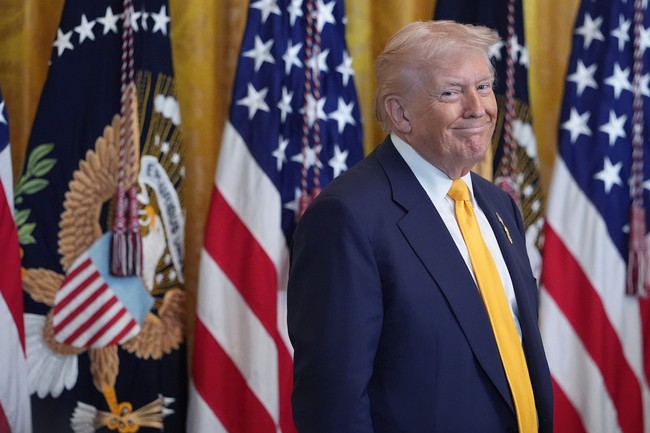
 RedState
Here's What Iran Just Said About the Strait of Hormuz - It Sounds Like a Huge Cave After Trump Threat
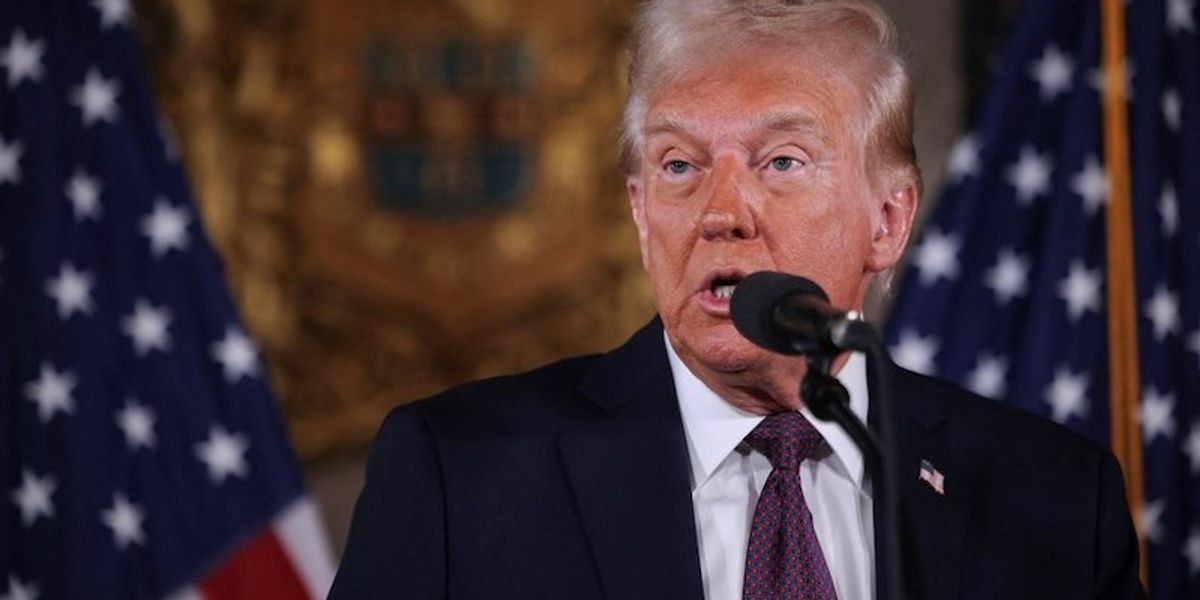
 Raw Story
Trump ridiculed for 'sending out invitations to WWIII' as he 'pleads' allies for Iran help

 Al Jazeera
Trump asks world to keep Strait of Hormuz open; 15 killed in Iran’s Isfahan

 The Guardian
Trump says US may strike Iran’s Kharg Island oil export hub ‘just for fun’
Overview
US and Israeli strikes hit multiple sites across central Isfahan province, killing at least 15 people.
President Donald Trump urged the UK, China, France, Japan, South Korea and other nations to send warships to the Strait of Hormuz to keep the key shipping route open.
Iran's military warned oil and energy infrastructure belonging to firms working with the US would "immediately be destroyed" if Kharg's oil infrastructure is attacked, and Trump's call drew online backlash.
About 20% of the world's oil usually flows through the Strait of Hormuz, and UKMTO reported 16 ships were attacked since the war began on 28 February.
Trump said the US may carry out more strikes on Kharg Island "just for fun" and asked allies to help sweep and secure the Strait of Hormuz.
Analysis
Center-leaning sources frame the strikes as targeted, strategic pressure rather than indiscriminate attack, foregrounding U.S. claims of precision and restraint (noting oil infrastructure was spared), emphasizing the Strait of Hormuz’s importance, and quoting U.S. officials and allied voices. they give less space to Iranian civilian perspectives or independent verification, shaping a calibrated, security-focused narrative.
FAQ
The Strait of Hormuz is the world's most important oil chokepoint, with approximately 20 million barrels of oil passing through daily, representing about 20-25% of global seaborne oil trade and roughly one-fifth of global oil consumption[1][4]. Additionally, around 20% of global liquefied natural gas (LNG) transits through this waterway[1]. The strait is the only sea passage from the Persian Gulf to the open ocean, and most volumes that transit it have no alternative means of exiting the region[5]. Any disruption could trigger sharp spikes in global energy prices and supply chain instability, particularly affecting major Asian importers like China, India, Japan, and South Korea[1].
The Strait of Hormuz is geographically narrow and strategically vulnerable, measuring only about 50 kilometers wide at its entrance and exit, with the narrowest navigable section shrinking to roughly 33 kilometers[2]. The waterway lies in Iran's territorial waters, and Iran has historically placed the Strait at the center of its naval deterrence doctrine[1]. Recent Iranian warnings advising vessels to leave the Strait amid speculation about potential closure demonstrate that Tehran considers it a key leverage point[1]. The lack of practical alternatives compounds the vulnerability—while some pipeline alternatives exist in Saudi Arabia and the UAE, they cannot fully replace maritime throughput.
Asian economies would face the most severe exposure to a Strait of Hormuz disruption. In 2022, approximately 82% of crude oil leaving the strait was shipped to Asian destinations[2], with China alone purchasing about 90% of Iran's exported oil[2]. Major importers including China, India, Japan, and South Korea rely heavily on Gulf energy flows and would be particularly vulnerable to supply shocks[1]. However, the disruption would also have global consequences, as energy price spikes would reverberate worldwide, affecting all nations dependent on affordable energy[1]. Additionally, Gulf producer countries themselves would suffer economically, as many rely heavily on energy exports for government revenue and economic stability[2].
The Strait of Hormuz is one of the world's busiest maritime corridors. Approximately 3,000 shipping vessels pass through the passage every month, amounting to more than 30,000 ships annually[4]. This includes oil tankers, liquefied natural gas containers, and cargo vessels. Beyond energy shipments, nearly 11% of total global maritime trade traverses the Strait[1], making it critical for international commerce beyond just energy security.
Even limited disruption or uncertainty about the Strait's status can trigger immediate global consequences. Oil and LNG prices can spike sharply in response to risks of blocked or slowed transit, even without an actual closure[1]. Insurance costs for tankers and freight rates climb as risk premiums rise in response to increased risk[1]. The inability of oil to transit the Strait, even temporarily, can create substantial supply delays and raise shipping costs, potentially increasing world energy prices significantly[5]. According to the EIA, chokepoint disruptions can substantially impact global energy security through these cascading economic effects[5].
