Trump's Naval Call Draws No Immediate Backing To Secure Hormuz
Trump urged allies to send warships to reopen the Strait of Hormuz, but the UK, Japan, China and others gave cautious or defensive responses and made no commitments.

 The Gateway Pundit
Assessing Iran’s Ability to Hold the World’s Oil Supply Hostage | The Gateway Pundit | by Antonio Graceffo
 MEDIAite
Trump Plots How to Escort Ships Through Strait of Hormuz as Oil Jumps Past $100 Per Barrel
 Daily Beast
‘60 Minutes’ Sounds Alarm on Mounting Costs of Trump’s War

 Al Jazeera
Top Trump adviser says Iran war price tag at $12bn so far
Overview
President Donald Trump called on China, France, Japan, South Korea, the U.K. and other countries to send warships to keep the Strait of Hormuz open, but no public commitments were made, officials and reports said.
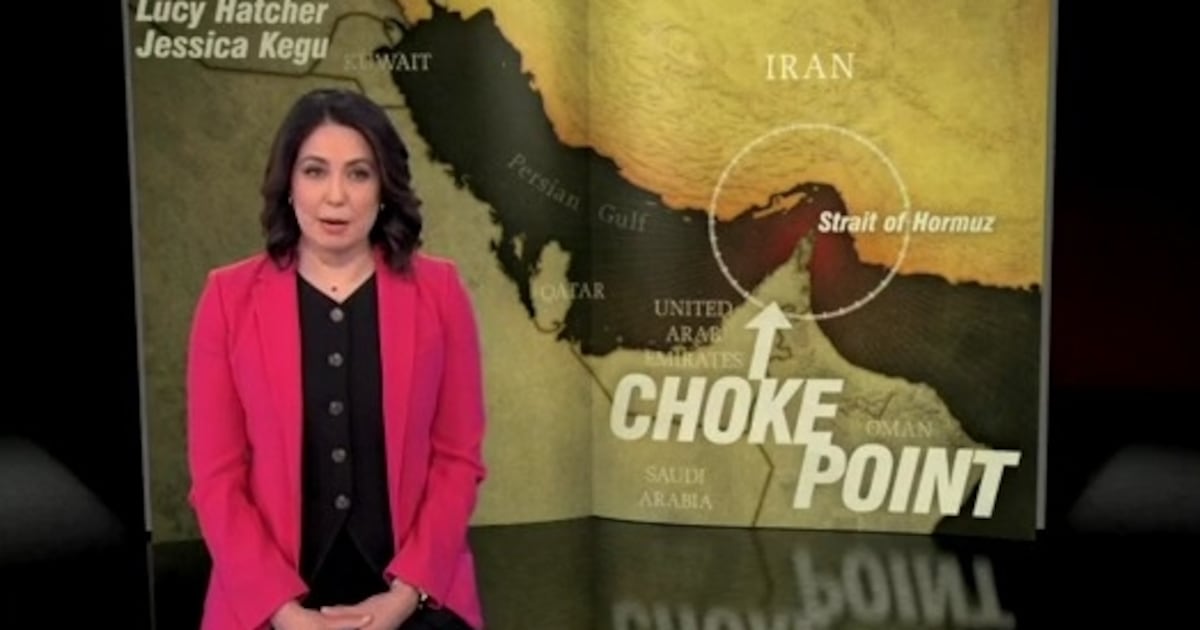
The Strait of Hormuz carries about one-fifth of global oil and roughly 3,000 ships transit it monthly, making its de facto closure by Iran a major disruption to energy and trade, analysts and reports said.
Britain, Japan, South Korea and China responded cautiously or noncommittally, France said its posture remains defensive, and Iran said the strait is open to non-U.S. and non-allied vessels, according to government statements.
U.S. crude reached $101.32 per barrel by 6:15 p.m. ET as oil prices surged amid the disruption, market data and official statements showed.
Energy Secretary Chris Wright said he had been 'in dialogue' with some countries and expected China to be a 'constructive partner,' and U.S. officials said a coalition to escort ships would be announced soon, according to interviews and statements.
Analysis
Center-leaning sources frame the story as a rebuke of Mr. Trump’s initiative, emphasizing allied reluctance and operational risks. editorial choices—headlines like “no promises,” adjectives such as “tepid” and “lukewarm,” selective expert skepticism and noncommittal allied statements—construct a narrative of isolation and unlikely coalition; direct diplomatic quotes remain source content.
FAQ
Kharg Island is Iran's primary oil export terminal in the Persian Gulf, handling the majority of its crude oil shipments, making it a critical target that could severely disrupt Iran's oil infrastructure.