Pentagon Identifies Six Airmen Killed In KC-135 Crash In Iraq
Six U.S. service members were named after a KC-135 Stratotanker crashed on March 12 over western Iraq during a combat mission; the incident is under investigation.
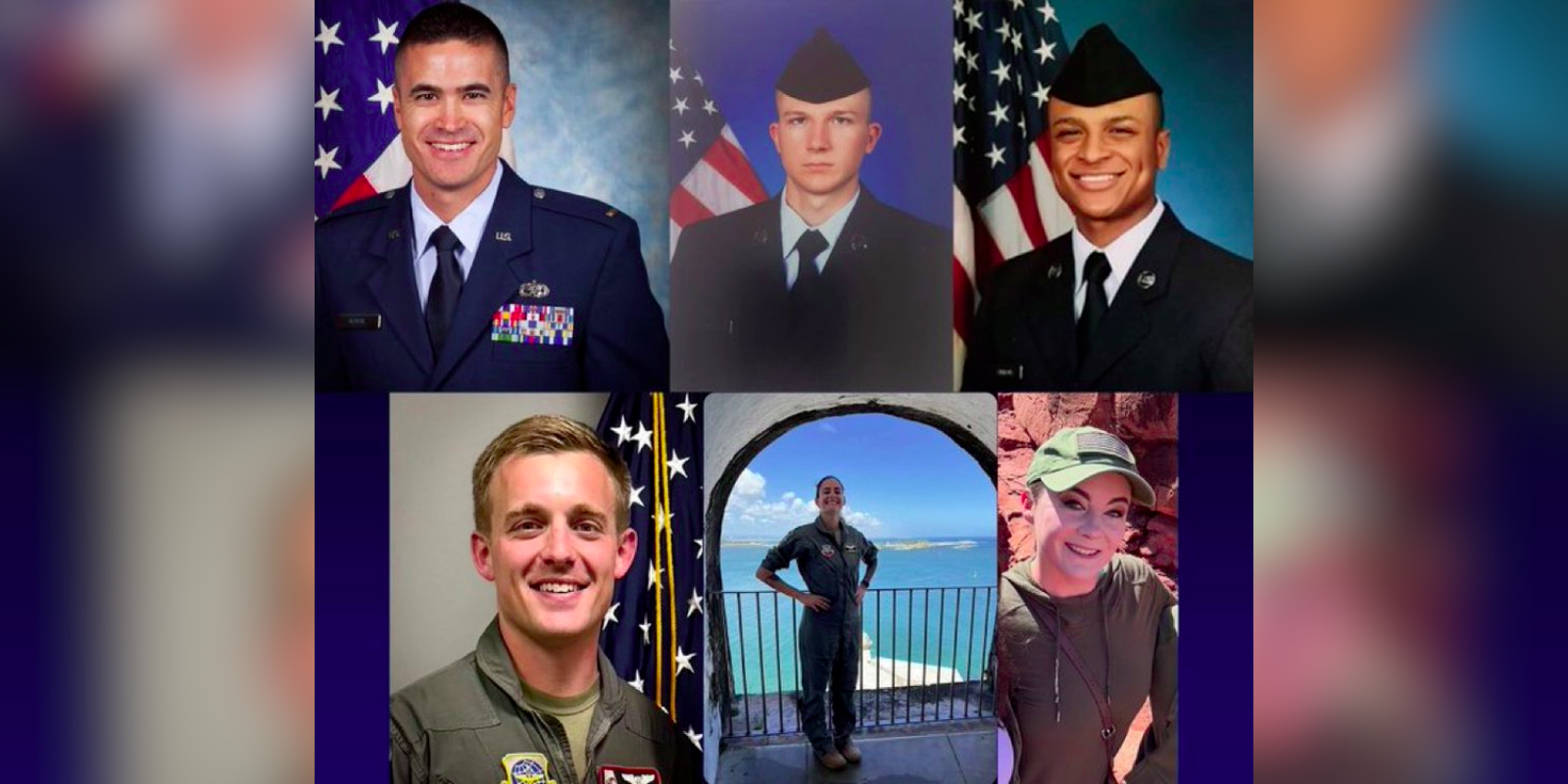
 The Post Millennial
Pentagon releases names of 6 US service members killed in refueling jet crash

 Straight Arrow News
Six service members who died in US military aircraft crash identified
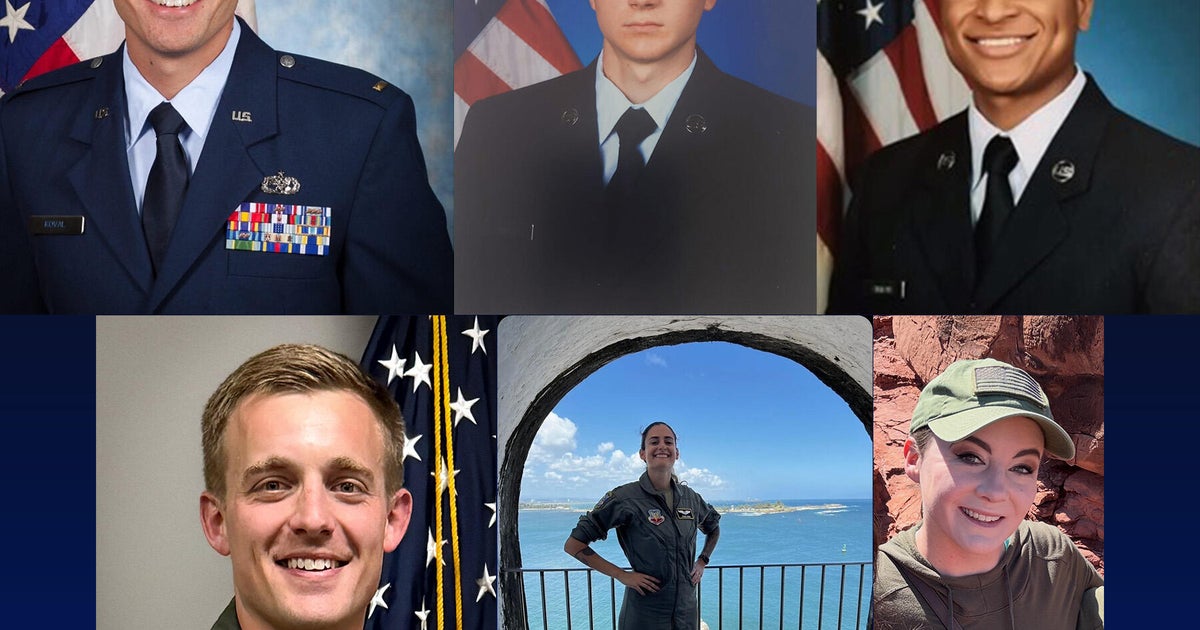
 CBS News
U.S. service members killed in refueling aircraft crash in Iraq identified as Ohio National Guard members and Florida-based crew
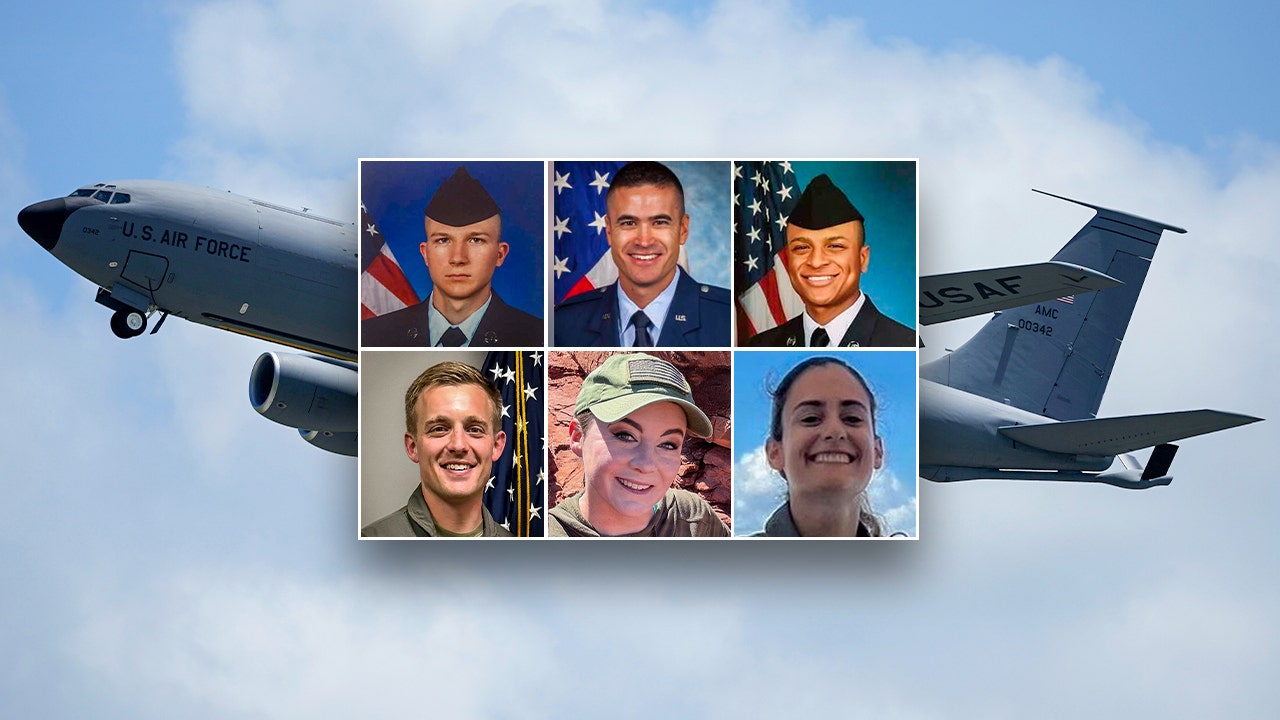
 FOX News
Pentagon identifies 6 US airmen killed in refueling tanker crash in Iraq after midair collision
Overview
The Pentagon on Saturday identified Maj. John A. Klinner, Capt. Ariana G. Savino, Tech. Sgt. Ashley B. Pruitt, Capt. Seth R. Koval, Capt. Curtis J. Angst and Tech. Sgt. Tyler H. Simmons as the six killed on March 12.
The KC-135 refueling aircraft crashed on March 12 in western Iraq during a combat mission supporting Operation Epic Fury, U.S. Central Command said.
U.S. Central Command and the Defense Department said the aircraft went down in "friendly airspace" and that the loss was not caused by hostile or friendly fire, officials said.
Three of the dead were assigned to the 6th Air Refueling Wing at MacDill Air Force Base and three to the 121st Air Refueling Wing at Rickenbacker Air National Guard Base, officials said.
U.S. officials said the KC-135 had an unspecified interaction with another aircraft that landed safely, and investigators are examining whether a midair collision occurred.
Analysis
Center-leaning sources frame the crash through a US‑military lens, humanizing the fallen by naming them and repeating official praise while privileging military accounts. Iranian claims are presented as unverified; reporting emphasizes denial of hostile fire, casualty tallies and operational context, with little independent local or civilian perspective.
FAQ
The cause of the crash is still under investigation[1][2]. U.S. Central Command confirmed that the loss was not due to hostile or friendly fire[1]. However, officials are examining whether a mid-air collision occurred between the crashed KC-135 and another KC-135 Stratotanker that was involved in an unspecified incident and landed safely[2][5]. The investigation is ongoing to determine the exact circumstances of what happened[1].
The KC-135 Stratotanker is more vulnerable to enemy fire than newer, sophisticated jets like stealth fighters because it is a large, less agile platform with a wingspan of 130 feet[2]. Unlike modern fighter jets, the KC-135 does not have ejection seats for crew members[2]. Additionally, the aircraft is over 60 years old and has been in service since the Eisenhower administration, making it relatively outdated compared to newer refueling aircraft like the Boeing KC-46 Pegasus that the Air Force is deploying.
Operation Epic Fury is the U.S. military's name for the ongoing war against Iran in the Middle East[2]. The KC-135 Stratotanker was deployed to support this operation by providing aerial refueling to other aircraft, enabling them to extend their time on station for strikes against Iranian targets or to travel longer distances[2]. Mobility platforms like the KC-135 have surged to the Middle East to support these operations[2].
As of the time of reporting, at least 13 U.S. service members have been killed in Operation Epic Fury[3][4]. This includes the six KC-135 crew members killed in the March 12 crash, six Army reservists who were killed in a drone attack in Port Shuaiba, Kuwait on the second day of the operation, and Army Sgt. Benjamin N. Pennington, who died on March 8 after being wounded during a March 1 attack on Prince Sultan Air Base in Saudi Arabia[3][4]. Additionally, approximately 140 U.S. service members have been injured, including eight severely[4].
The Air Force is in the process of replacing the aging KC-135 Stratotanker with the newer Boeing KC-46 Pegasus[2]. Despite its age, military officials expect the KC-135 will continue operating until 2050 or possibly even longer[2]. The KC-135 constitutes the backbone of the United States' air refueling fleet and remains critical to military operations[2].

