Trump Seeks Delay of Beijing Summit Over Iran War
Trump requested a roughly one-month delay of his planned 31 March–2 April Beijing visit to remain in Washington to oversee the Iran war, officials said.

 The Gateway Pundit
Trump Calls on Five Nations to Help Reopen Strait of Hormuz, Gets Uninspiring Responses
 Political Wire
Iran’s Regime Is Consolidating Power
 BBC News
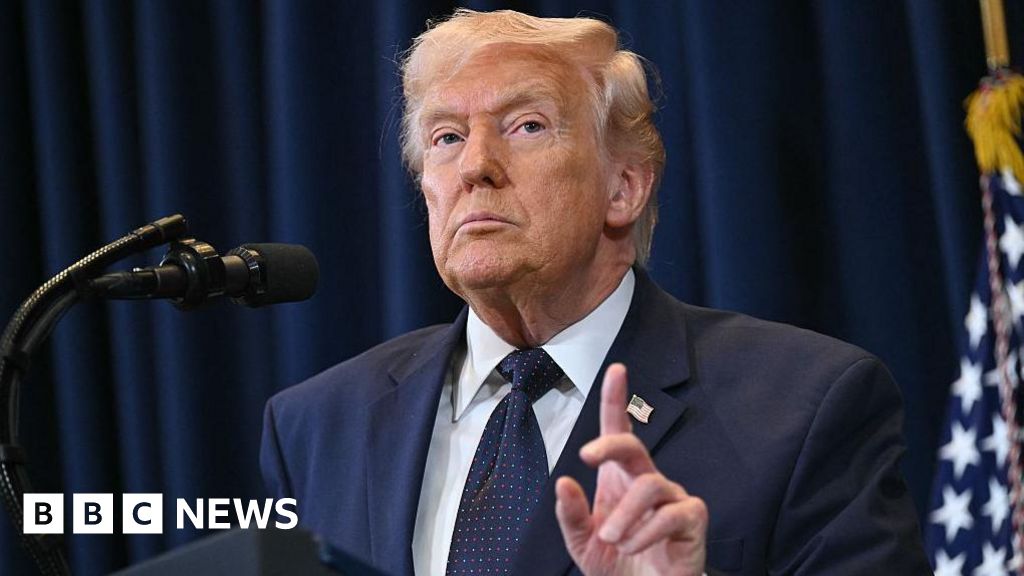
Iran war prompts Donald Trump to delay meeting Xi Jinping in China
 RedState
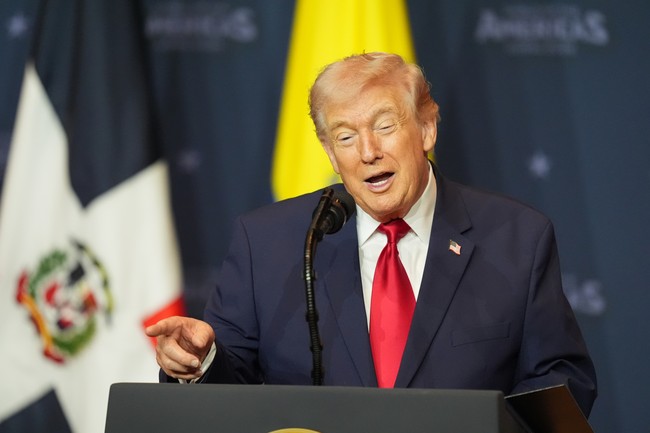
Mic Drop: Trump Shreds European Countries' Response on Ships for Strait, Adds Hilarious Take on France
Overview
President Donald Trump said he requested that his planned visit to China be delayed by "a month or so" so he could remain in Washington to oversee the war with Iran, he told reporters at the White House.
The summit with Chinese President Xi Jinping had been scheduled for 31 March to 2 April, and Trump said he wanted to stay to coordinate the U.S. response to the Iran war.
The Chinese embassy in Washington said it had seen reports about the meeting but had no information to provide, and Treasury Secretary Scott Bessent said any delay was to allow the president to coordinate the war effort rather than to press Beijing.
The conflict began on 28 February after U.S. and Israeli strikes, and Iran's actions have effectively closed the Strait of Hormuz and disrupted tanker traffic, the articles said.
U.S. and Chinese representatives met in Paris in recent days, Li Chenggang said negotiators reached consensus on some issues and will continue talks, and Trump said he is looking forward to meeting Xi when the trip is rescheduled.
Analysis
Center-leaning sources frame the story around presidential inconsistency and geopolitical risk by foregrounding Trump’s forceful declarations (e.g., “We’ve got a war going on”) then juxtaposing official walkbacks from Treasury Secretary Scott Bessent and Chinese state reactions. Language like “pressure tactic,” “mixed messages,” and emphasis on oil disruptions highlights tension and credibility costs.
FAQ
Trump is requesting a delay of the planned 31 March–2 April summit to oversee the U.S. war effort with Iran in Washington and because China has not agreed to help secure the Strait of Hormuz by sending warships.
The Strait of Hormuz is paralyzed by Iran's attacks amid U.S. and Israeli strikes, disrupting a fifth of the world's oil supply and driving Brent crude toward $100 a barrel.
Germany's chancellor, Italy's foreign minister, and the British prime minister ruled out sending warships, while other allies have declined or shown no enthusiasm.
China has provided only rhetorical support to Iran, views the conflict as caused by U.S. and Israeli attacks, and is unlikely to send warships or military backing.
U.S. negotiators briefed Chinese counterparts on tariff changes in Paris, with talks continuing, and Treasury officials confirmed the delay is for war coordination, not trade pressure.

