Israeli Strikes Kill Iran Security Chief Ali Larijani, Deepening Leadership Crisis
Ali Larijani, 67, and Basij commander Gholamreza Soleimani were killed in Israeli strikes, Iran confirmed, removing key wartime decision-makers and prompting further missile barrages and disruptions to oil exports.
 Daily Beast
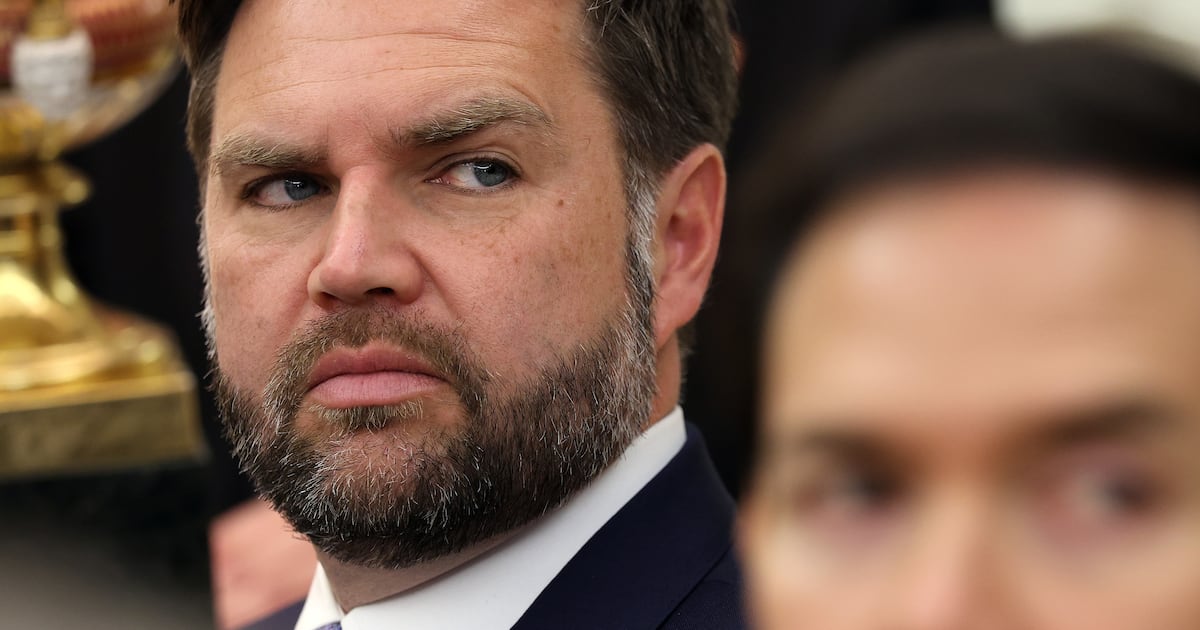
Vance Played Key Part in Anti-War Bombshell Resignation Plot
 NBC News
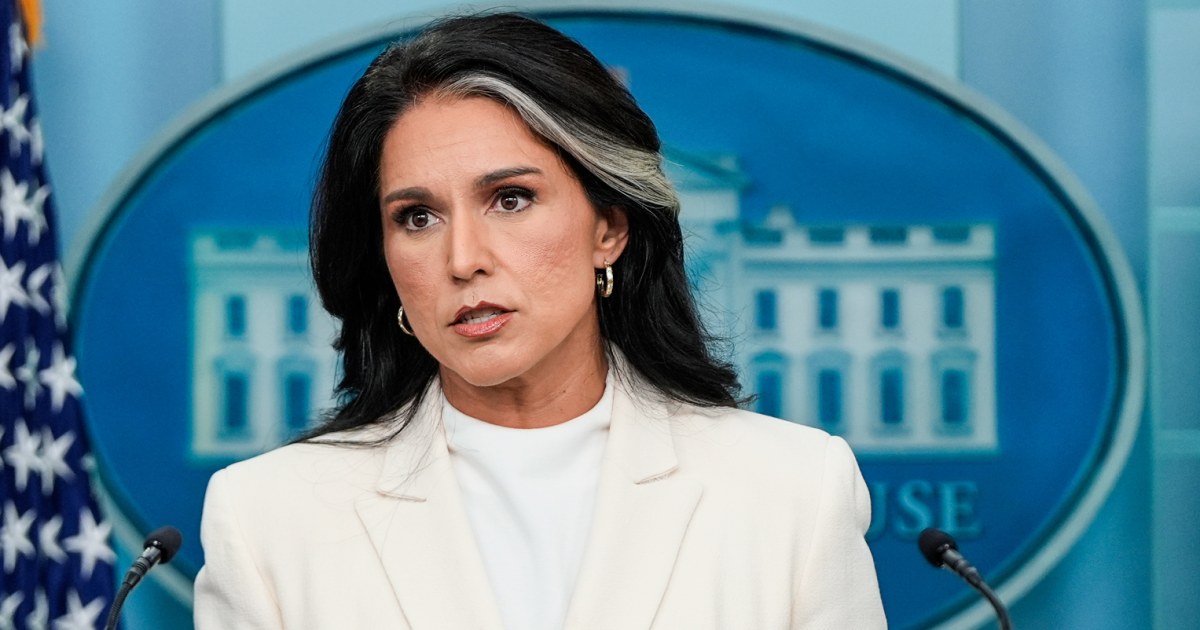
Tulsi Gabbard in spotlight after top official resigns in protest over Iran war
 The Free Press
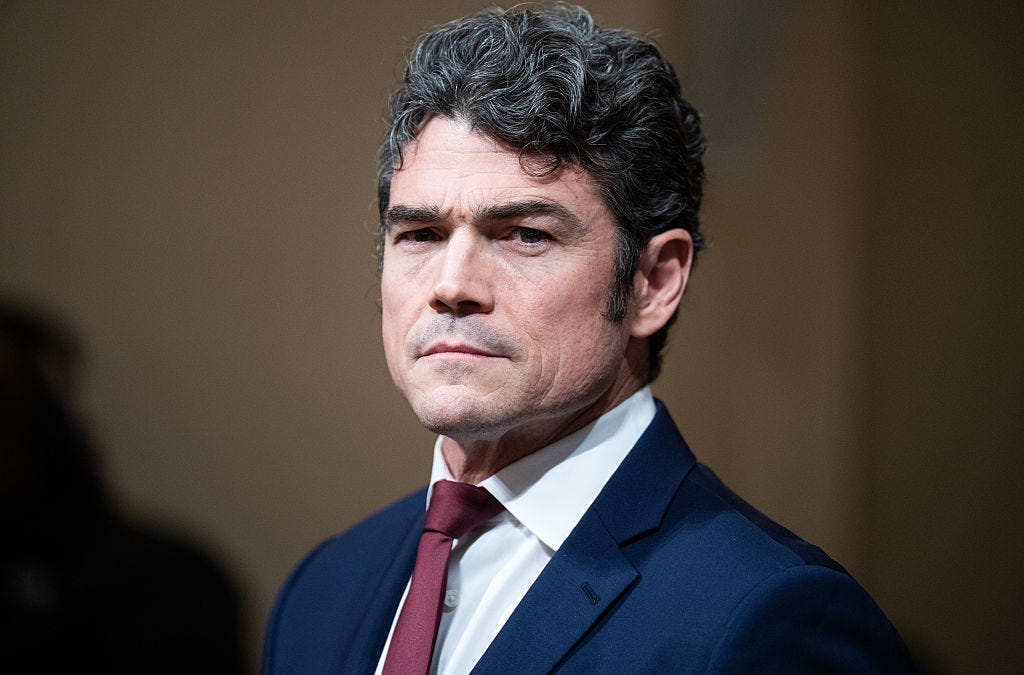
Joe Kent Resigns. Will Others Follow?

 New York Post
Iran’s rulers unleash brutal crackdown on domestic dissent to stave off uprising: report
Overview
Israel said it killed Ali Larijani and Basij commander Gholamreza Soleimani in air strikes, and Iran's Supreme National Security Council confirmed Larijani, his son Morteza, an aide and bodyguards were killed.
Larijani, 67, had been widely seen as the de-facto leader after the supreme leader was killed on 28 February and served as secretary of the Supreme National Security Council, shaping Iran's wartime strategy.
Iran state TV read statements mourning Larijani and Soleimani, Israel's defence minister hailed their elimination, and Iranians opposed to the establishment sent messages welcoming the deaths, local reports said.
More than 1,300 people have been killed in Israeli and U.S. strikes in Iran since the start of the war, including 226 women and 204 children, and activists say at least 6,508 protesters were killed and 53,000 arrested.
The IDF said it would continue targeting senior commanders, Iranian forces launched missile barrages that set off sirens in Israel, and oil exports were disrupted with partial halts at Fujairah and a foreign national was killed in Abu Dhabi, officials said.
Analysis
Center-leaning sources frame the deaths as a major strategic blow, foregrounding israeli claims first and emphasizing larijani’s role as a hardliner and power broker. editorial choices — lead placement, selective background (ties to khamenei, basij repression), and highlighted social-media taunts — steer readers toward seeing reduced negotiation pathways.
FAQ
Ali Larijani was the secretary of Iran's Supreme National Security Council (SNSC), overseeing defense strategies, nuclear policy, and wartime efforts. He was a veteran politician, former parliamentary speaker, and key figure in nuclear negotiations, designated as a potential interim leader after Supreme Leader Khamenei's death.[1]
The strikes followed the February 28, 2026, killing of Iran's Supreme Leader Ayatollah Ali Khamenei in U.S. and Israeli air strikes, amid an escalating war where Larijani was running Iran's strategy.[1]
Israel claimed to have killed Basij commander Gholamreza Soleimani alongside Larijani, his son Morteza, and aides, as confirmed by Iran's Supreme National Security Council.[1]
Over 1,300 people killed in Israeli and U.S. strikes in Iran, including 226 women and 204 children; Israel reports 12 killed in Iranian missile attacks, with activists citing at least 6,508 protesters killed.[1]
Joe Kent resigned as head of the National Center for Counterterrorism, citing inability to support the war and no imminent threat from Iran; this increases scrutiny on National Intelligence Director Tulsi Gabbard ahead of her Senate testimony.[1]


