Centcom Strikes, Strait of Hormuz Choked as Allies Decline Immediate Escort
Centcom used 5,000lb bunker-busters on Iranian missile sites as tanker traffic fell to 21 since Feb. 28 and allies stop short of offering warship escorts.

 The Gateway Pundit
Trump Threatens to "Finish Off" Iran and Let Asia and NATO "Be Responsible" for the Strait of Hormuz | The Gateway Pundit | by Jordan Conradson
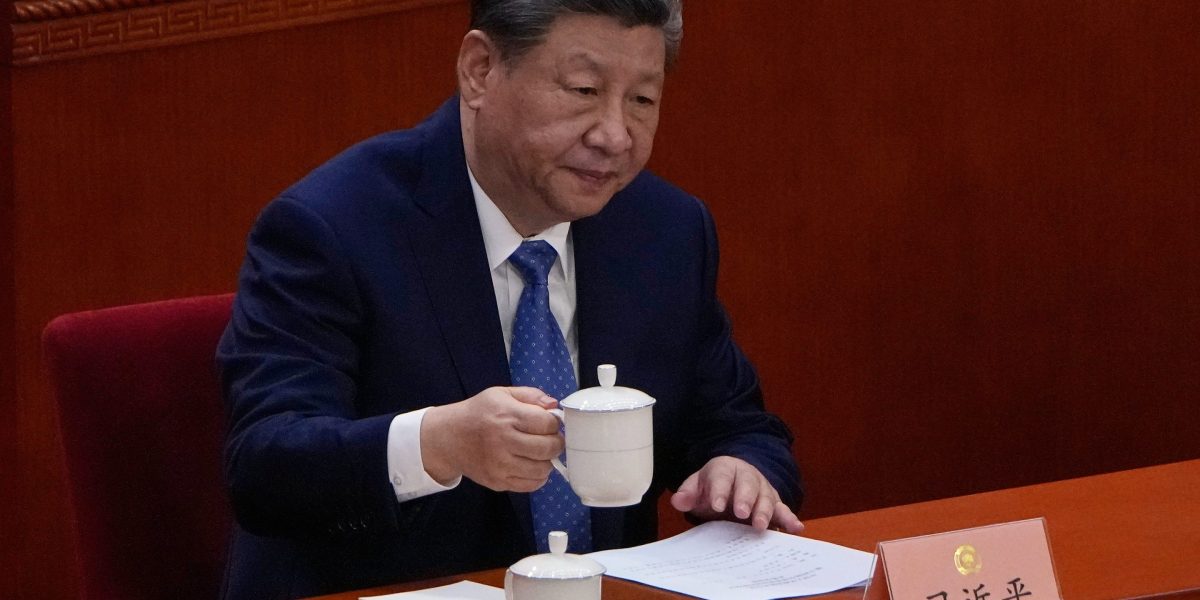
 Fortune
'The United States is undermining itself': China is ignoring Trump's Hormuz request as the Iran war deepens and his Beijing trip slips | Fortune
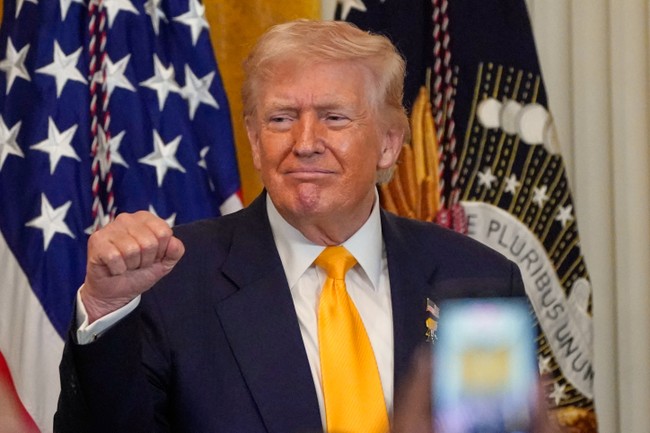
 RedState
Trump Calls Reluctant Allies' Bluff on the Strait, Gets Big Response From NATO Chief
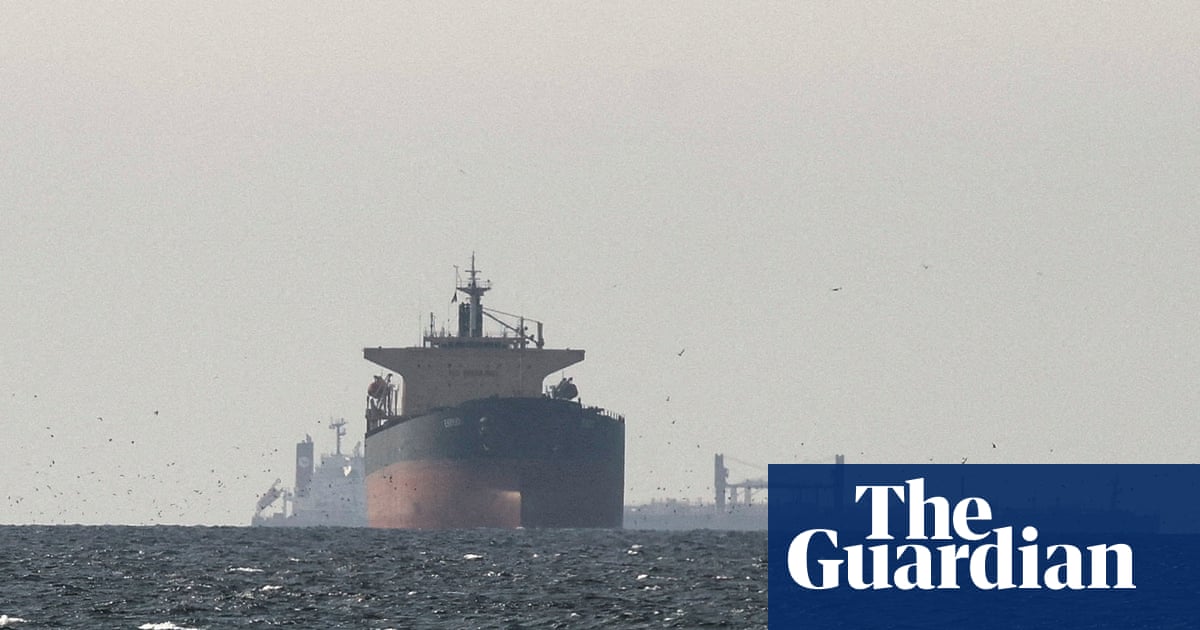
 The Guardian
UK says it remains in talks over escorting ships through strait of Hormuz
Overview
Centcom said it used 5,000lb “bunker buster” bombs on hardened Iranian missile sites along Iran’s coastline near the Strait of Hormuz to reduce the anti-ship missile threat.
Since the war began on Feb. 28, just 21 tankers have transited the Strait of Hormuz compared with more than 100 ships daily before the conflict, S&P Global Market Intelligence said.
Britain said it remains in talks with the United States and European allies about escorting merchant shipping but judged the situation too dangerous for escorts at present, officials said.
Countries have varied responses: the United States has led bombing operations, France said escorts would come only after the "most intense" phase ends, and China has resisted joining a U.S.-led effort.
Officials warned any escort would be a major multinational undertaking; a UK junior defence minister said the last Gulf escort operation required roughly 30 warships and risk to shipping cannot be reduced to zero.
Analysis
Center-leaning sources frame China as cautious and economically motivated, emphasizing U.S. urgency and logistical explanations while sidelining Chinese policy rationales. Editorial framing appears in language choices (words like "resisted" and "reacted coolly"), selective expert sourcing (an FDD fellow), and prominence given to U.S. statements over Chinese voices.
FAQ
Tanker traffic plunged due to US and Israeli strikes on Iran starting February 28, 2026, raising security risks, soaring insurance costs, and threats from Iran, reducing transits from over 100 daily to as low as 2-3 tankers per day.
