U.S. Considers Lifting Sanctions on Iranian Oil to Ease Prices
Treasury Secretary Scott Bessent said about 140 million barrels of Iranian crude aboard tankers could be unsanctioned to blunt price spikes after Strait of Hormuz closures and energy facility strikes.

 CNBC
CNBCOil falls as U.S. weighs releasing sanctioned Iranian crude to cool prices

 The Guardian
US may remove sanctions on Iranian oil stranded in tankers, Bessent says
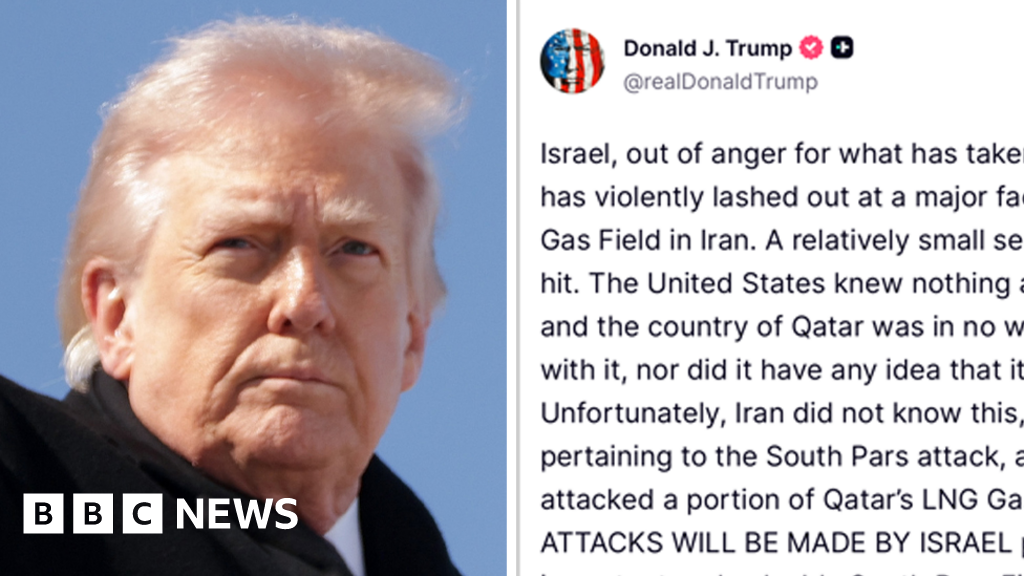
 BBC News
Are US and Israel in lockstep in Iran war? Deciphering Trump's post after gas field attacks
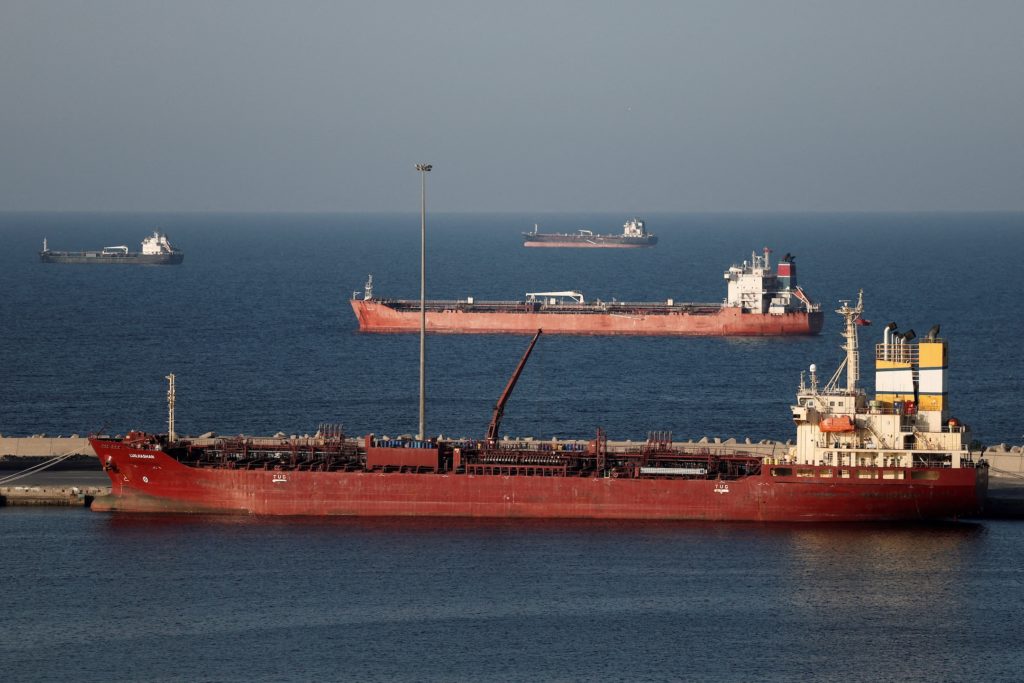
 PBS NewsHour
Israeli and Iranian strikes on oil and gas facilities rattle global markets
Overview
Treasury Secretary Scott Bessent said Washington may soon lift sanctions on about 140 million barrels of Iranian crude stored aboard tankers.
Iran's closure of the Strait of Hormuz and recent strikes on energy infrastructure have pushed oil prices above $100 per barrel for much of the past two weeks.
President Donald Trump said he neither agreed with nor approved of Israel's attack on the South Pars gas field.
Brent crude fell 2% to $106 per barrel and U.S. oil slid 1.56% to $94.64 per barrel after the announcement.
Bessent said returning the sanctioned Iranian crude to global markets would help cap prices over the next 10 to 14 days.
Analysis
Center-leaning sources frame coverage as an energy-market crisis driven by Middle East conflict, leading with price movements and policy responses. Editorial choices emphasize supply disruptions and dramatic forecasts (e.g., "stunning reversal", $180/ barrel scenarios), prioritize official and financial expert warnings, and downplay demand-side or climate perspectives by omission.
FAQ
South Pars is a major Iranian gas field that was struck by Israel in recent military action. The field is strategically critical to Iran's energy production and export capacity, as evidenced by the fact that Iran's retaliation targeted Gulf energy sites in response to the attack. The incident caused significant disruptions to regional energy supplies, with QatarEnergy reporting that approximately 17% of its export capacity was affected by the broader regional tensions stemming from the South Pars strike.
The U.S. is considering unsanctioning approximately 140 million barrels of Iranian crude to help stabilize global oil prices following the military escalation in the region. While the Trump administration has maintained a 'maximum pressure' campaign against Iran with sanctions on its oil network and shadow fleet, the recent strikes on South Pars and subsequent energy market volatility have created pressure to release sanctioned Iranian oil as a stabilizing measure to prevent further price spikes.
The U.S. and Iran have been engaged in negotiations regarding Iran's nuclear program, with the Trump administration demanding that Iran fully dismantle its nuclear program, halt all uranium enrichment, and end support for regional proxy groups within two months. Iran has insisted on its 'inalienable right' to enrich uranium and has rejected the U.S. proposal for zero enrichment, while offering to temporarily lower enrichment levels in exchange for sanctions relief. President Trump gave Iran a 10-day deadline in February 2026 to reach a deal, threatening military action if negotiations fail.
Iran's 'shadow fleet' is a covert shipping network used to circumvent international sanctions and export oil illegally. The U.S. has sanctioned 15 entities, 14 vessels, and multiple individuals involved in this shadow fleet operation as part of its 'maximum pressure' campaign to restrict Iranian oil exports and revenue. The sanctions specifically target shipping networks and individuals, such as oil tycoon Mohammad Hossein Shamkhani, who profited from shipping Iranian and Russian cargo while evading international restrictions.
Oil market analysts have projected significant price movements in response to the regional escalation. Citi projects that Brent crude could reach $120 per barrel within one to three months and potentially $150 per barrel in a bull-case scenario. Currently, Brent crude has fallen to $106 per barrel and U.S. oil to $94.64 per barrel, though officials believe that unsanctioning Iranian oil could help cap prices over a 10 to 14-day period.