Four Flight Attendants Injured as Delta Flight Hits Turbulence Near Sydney
Delta Flight 41 hit brief turbulence on descent into Sydney, injuring four flight attendants; three were taken to Royal Prince Alfred Hospital.

 New York Post
4 flight attendants injured after severe turbulence on Delta flight from LA
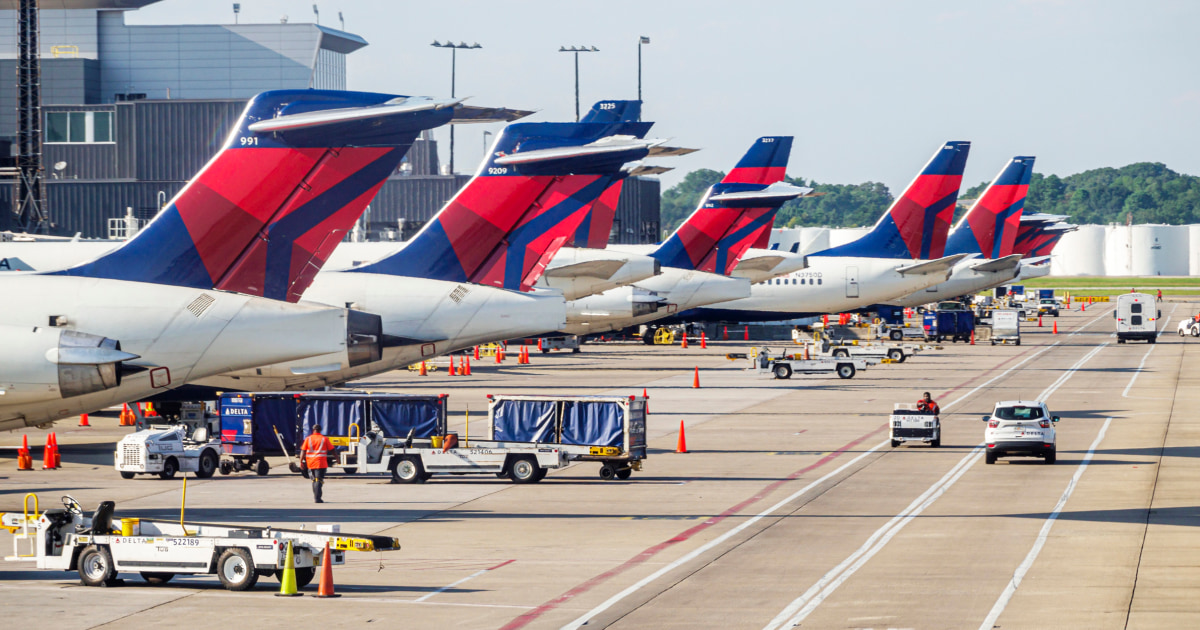
 NBC News
3 injured as turbulence hits Delta flight landing in Sydney
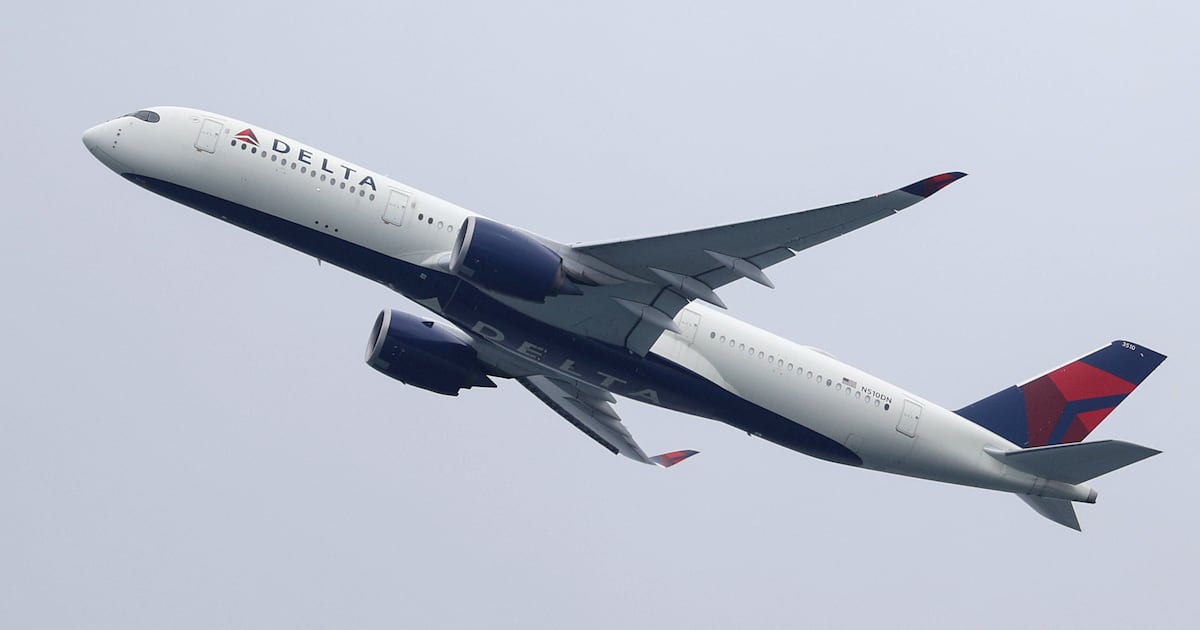
 Daily Beast
Delta Flight Attendants Hospitalized After Extreme Turbulence
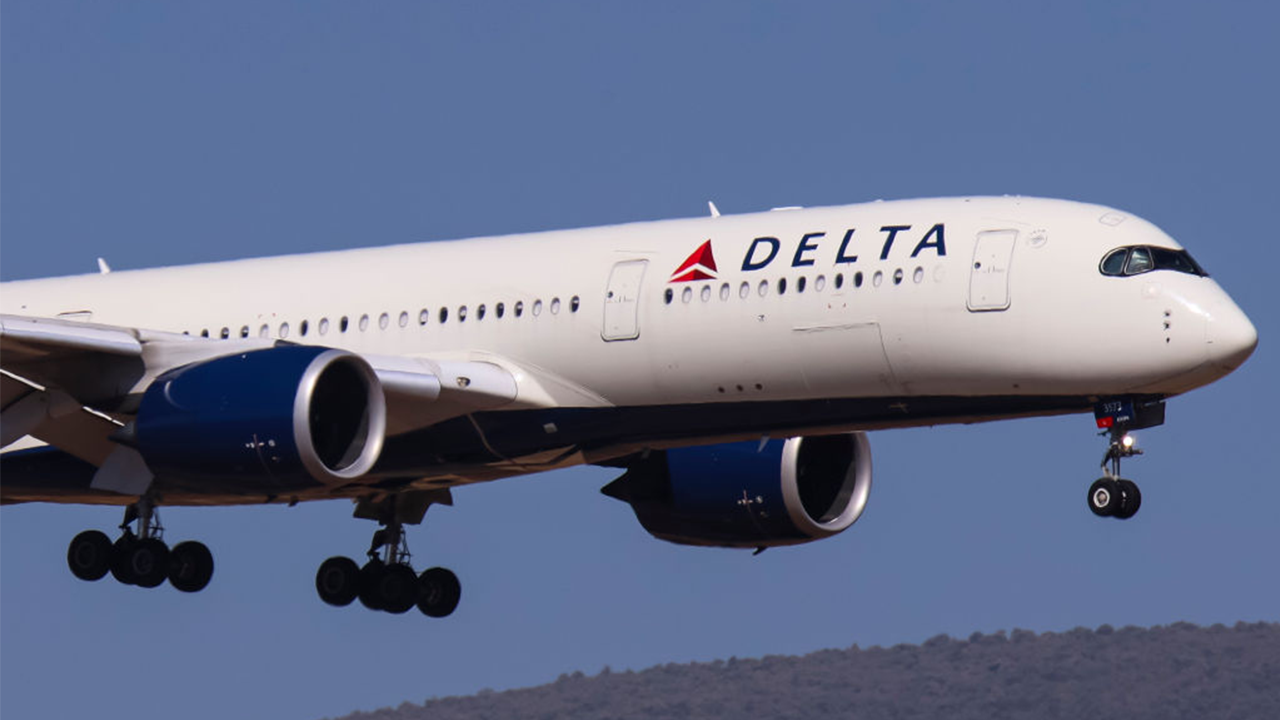
 Fox Business
4 flight attendants injured on Delta flight to Sydney after plane experiences 'brief turbulence'
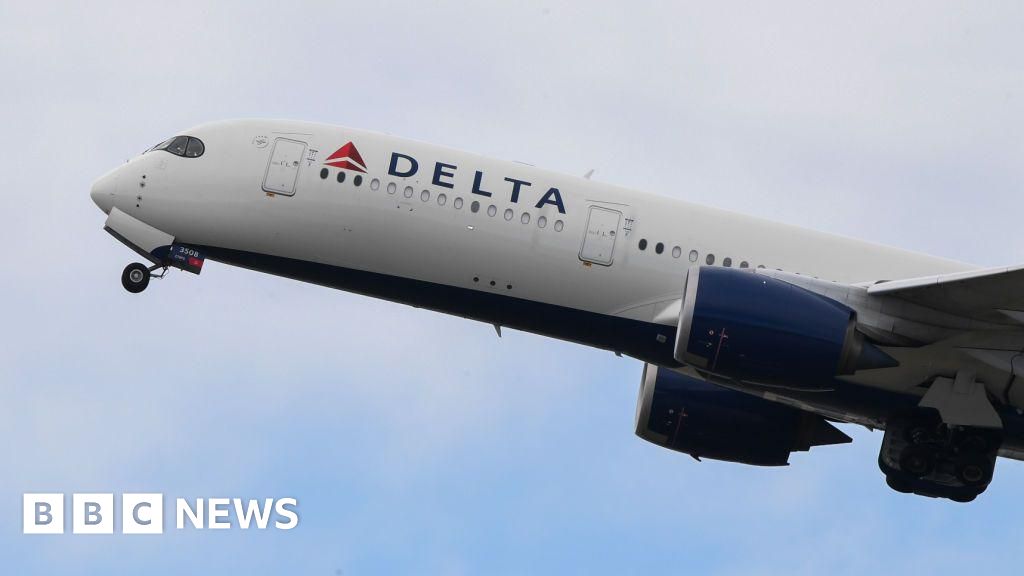
 BBC News
Delta Airlines: Several injured as turbulence hits flight into Sydney
Overview
Delta Flight 41 from Los Angeles encountered brief turbulence on descent into Sydney, injuring four flight attendants as the Airbus A350 landed just after 6:40 a.m. local time, the airline and flight tracker said.
Paramedics assessed five people after the landing and transported three to Royal Prince Alfred Hospital with minor injuries including back pain, headaches and knee pain, New South Wales Ambulance and hospital officials said.
Delta said the aircraft landed safely and that its priority was caring for the impacted crew members, and an expert said convective storms are a common cause of turbulence and are becoming more frequent with a warming climate.
There were 245 passengers and 15 crew aboard the flight, and sources noted past incidents such as a July Delta flight that injured 25 people and estimates of roughly 5,000 severe-or-greater turbulence events annually.
Experts warned that climate-driven temperature and wind shifts are expected to increase the frequency and intensity of severe turbulence, raising risks for future air travel and prompting continued monitoring by officials.
Analysis
Center-leaning sources frame the incident as a routine safety event placed within a broader, expert-backed climate narrative. They foreground official statements (airline, ambulance), use vivid prior examples and statistics to contextualize risk, and paraphrase experts linking turbulence to climate change—prioritizing measured reassurance while emphasizing long-term atmospheric trends.
FAQ
Severe turbulence is caused by sudden, violent movements in the atmosphere that create forces exceeding 1.5 g-forces on passengers and crew[2]. According to experts cited in the incident reports, convective storms are a common cause of turbulence, and climate change is making these events more frequent due to temperature and wind shifts in the atmosphere.
Approximately 5,000 severe-or-greater turbulence events are estimated to occur annually in commercial aviation[1]. Past incidents demonstrate the severity of potential impacts, such as a July Delta flight that injured 25 people, highlighting that this Sydney incident is part of a broader pattern of turbulence-related injuries[1].
The three hospitalized flight attendants sustained minor injuries including head, shoulder, lower back pain, headaches, and knee pain[3]. The BBC reported their ages ranged from the 30s to the 70s[2]. All injured crew members were in stable condition at Royal Prince Alfred Hospital, indicating they are expected to recover from these minor injuries[3].
Yes, experts warn that climate-driven temperature and wind shifts are expected to increase both the frequency and intensity of severe turbulence in the coming years[1]. This trend is prompting continued monitoring by aviation officials and raises concerns for future air travel safety[1].
No passengers reported any injuries from the turbulence[1]. While emergency responders assessed five people total after the landing, only the three flight attendants required hospital treatment for their minor injuries[2].


