Record-Shattering March Heat Engulfs U.S. Southwest
Temperatures reached roughly 110F (43C) in Arizona as more than 100 March record highs were broken, and scientists said climate change made the event virtually impossible.

 Associated Press
Graphics show the scale of extreme heat hitting the US
 Scientific American
Everything about this week’s record-shattering western heat wave is extreme

 BBC News
US March temperature record broken in Arizona's Yuma Desert
 PBS NewsHour
The Southwest smashing heat records in March 'is what climate change looks like'
Overview
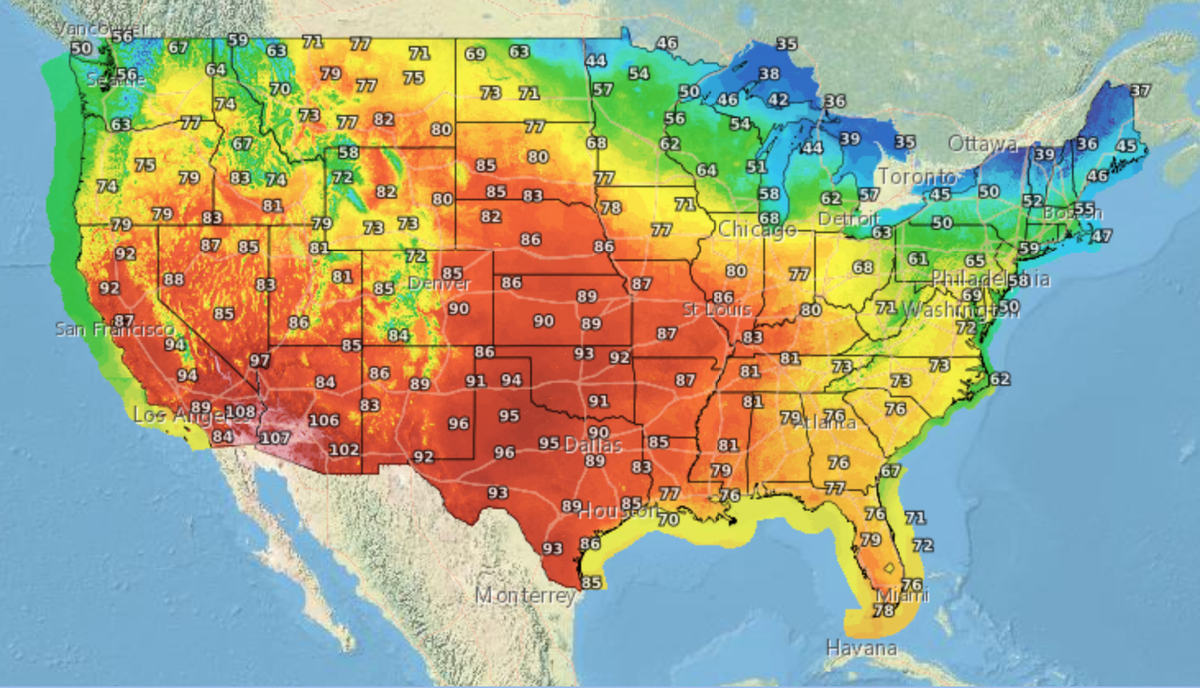
A desert area near Martinez Lake, Arizona, recorded 110F (43C) on Thursday, breaking the highest March temperature recorded in the United States, according to the National Weather Service.
A strong, slow-moving high-pressure system, or "heat dome," trapped hot air over the Southwest and pushed temperatures 20 to 30 degrees Fahrenheit above normal.
World Weather Attribution said the heat wave would be "virtually impossible" without human-induced climate change, and the National Weather Service issued heat alerts for many western states.
More than 100 all-time March record highs were broken or tied across several states, and an AP analysis found roughly a quarter of March records at 400 weather stations may be tied or broken.
Forecasters said the heat would persist for days in the West with daily record highs possible through at least next Wednesday in parts of Arizona, California and Nevada, heightening health and wildfire concerns.
Analysis
Center-leaning sources frame the story as urgent and extreme by foregrounding record highs, widespread warnings, and dramatic descriptors (e.g., scorching, unprecedented). Their source selection leans on the National Weather Service for authoritative quotes while omitting broader contextual viewpoints—such as discussion of climate-change attribution—shaping a crisis-focused narrative.
FAQ
A strong, slow-moving high-pressure system, commonly called a "heat dome," trapped hot air over the Southwest and pushed temperatures 20 to 30 degrees Fahrenheit above normal[1]. According to World Weather Attribution, the heat wave would have been "virtually impossible" without human-induced climate change[1].
The 110 degrees Fahrenheit (43.3°C) recorded just outside Martinez Lake, Arizona, on Thursday broke the record for the highest March temperature ever recorded in the United States[1]. The previous record of 108 degrees (42.2°C) had stood since 1954 when it was set in Rio Grande City, Texas[1]. For context, the average first 105-degree day of the year normally occurs on May 22nd, making this event extraordinarily early in the season[1].
More than 100 all-time March record highs were broken or tied across several states during this heat wave[1]. An Associated Press analysis found that roughly a quarter of March records at 400 weather stations may be tied or broken[1]. Major cities including Phoenix, San Diego, Los Angeles, Las Vegas, and San Francisco all established record highs[1].
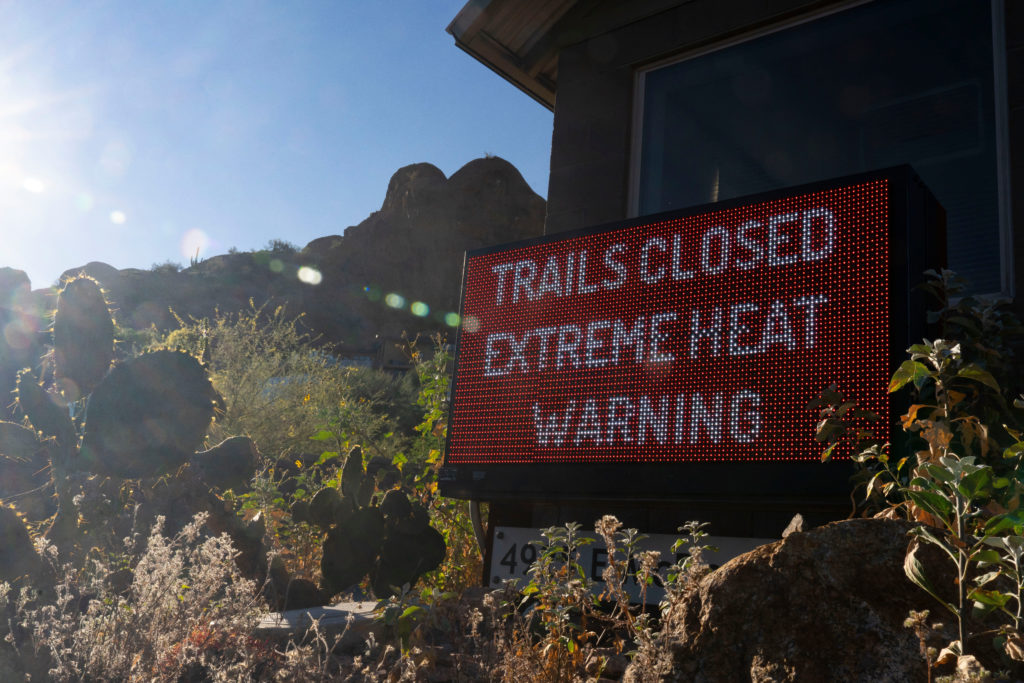
The intense heat posed significant health risks, prompting hiking trails around Phoenix to be closed on Thursday due to the risk of heat illness[1]. The extreme temperatures also heightened **wildfire concerns** across the region, with forecasters warning that daily record highs were possible through at least the following Wednesday in parts of Arizona, California, and Nevada[1].
