Trump Rejects Ceasefire as Energy Attacks Deepen Global Shock
Trump said he won't accept a ceasefire as Iran-linked strikes hit energy infrastructure and U.S. commanders prepare options for possible ground deployments amid surging oil prices.

 Raw Story
Business experts warn Trump's war with Iran will soon lead to economic chaos in the US
 RedState
Trump: We're 'Very Close' to Achieving Iran Goals, Winding Down Epic Fury

 Townhall
Trump Says U.S. Is 'Getting Very Close' to Meeting Objectives in Iran
 The American Conservative
Poll: Americans Oppose Iran War, Believe It Has Made Them Less Safe
Overview
President Donald Trump said he is not interested in a ceasefire with Iran and posted on Truth Social that the U.S. is "getting very close to meeting our objectives" as it considers winding down military efforts.
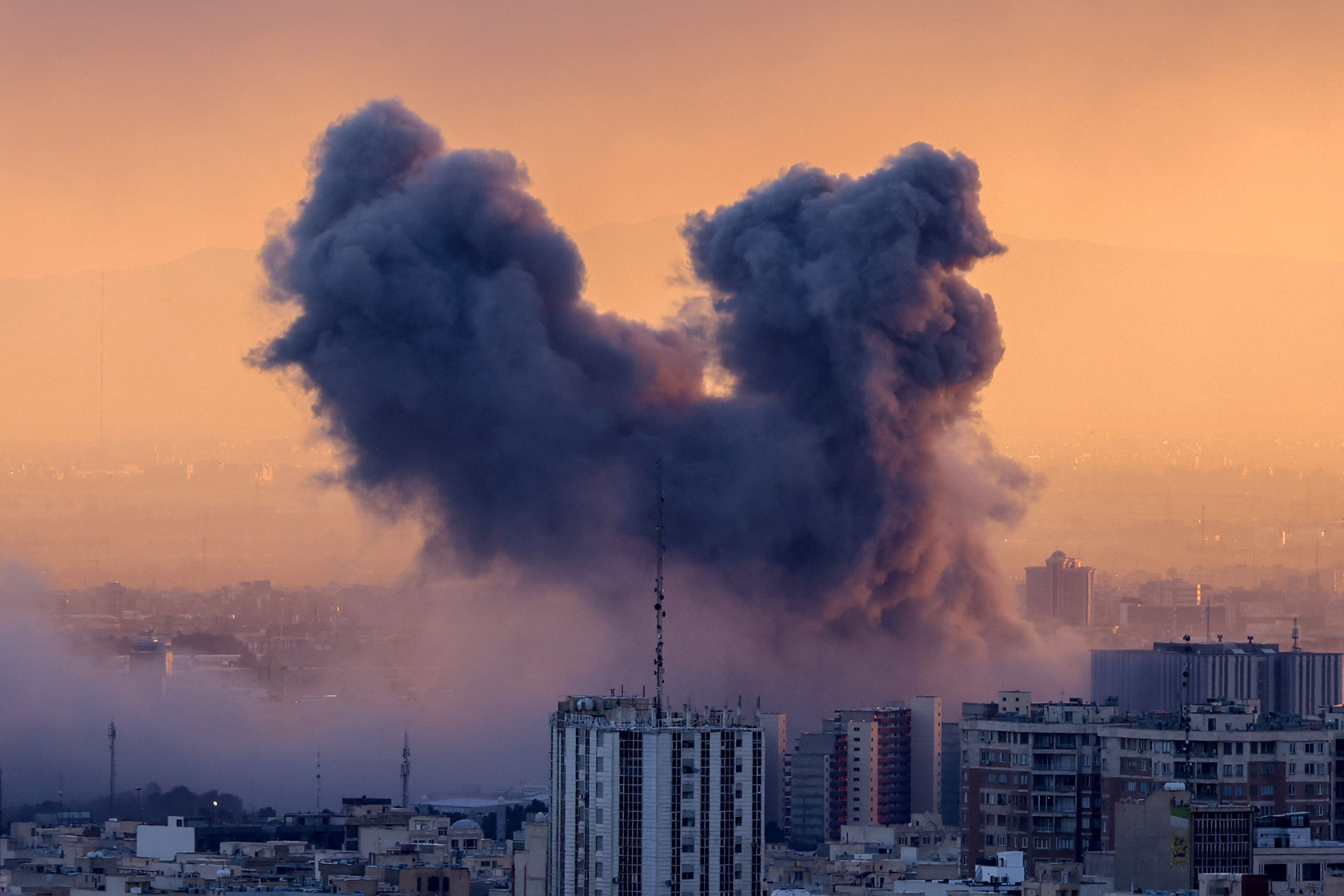
The crisis intensified after Iran struck the Ras Laffan LNG terminal, reducing Qatar's export capacity by 17% and costing an estimated $20 billion in lost annual revenue, QatarEnergy said.
White House spokesperson Anna Kelly said the president "has no plans to send troops anywhere," even as other officials say options for ground deployments are under consideration.
Global crude prices rose as high as $119 a barrel before easing near $109, marking a more than 50% increase over the past month, and U.S. gasoline averaged $3.91, up 98 cents from a month earlier, AAA data shows.
U.S. military commanders have submitted requests and held planning to prepare for the possibility that the president might order deployment of U.S. ground forces in Iran, officials said.
Analysis
Center-leaning sources foreground Pentagon preparations and troop movements (82nd Airborne, 2,200 Marines), emphasize anonymous officials and detailed planning, and juxtapose Trump's denials with White House distancing, collectively framing an urgent, militarized narrative of possible escalation while marginalizing diplomatic voices and regional perspectives.
FAQ
The strikes damaged the Pearl GTL facility and several LNG plants, halting Qatar's LNG production since March 2, reducing export capacity by 17% (about 80 million tons per annum or 13 million tonnes from two of 14 trains), with force majeure declared.
Repairs could take 3-5 years, with QatarEnergy expecting to lose about $20 billion in annual revenue; original construction cost for the affected trains was $26 billion.
Global crude prices surged to $119 per barrel before easing to $109 (over 50% increase in a month); U.S. gasoline averaged $3.91, up 98 cents from a month ago; LNG prices remain volatile with elevated levels expected.