U.S. Issues 30-Day Waiver Allowing Sale of Iranian Oil at Sea
Treasury issues general license allowing purchase of Iranian crude loaded March 20–April 19, freeing about 140 million barrels to ease wartime supply pressures.

 CNBC
CNBCU.S. issues 30-day sanctions waiver for sale of Iranian oil at sea
 MEDIAite
Trump Lifts Sanctions on Iranian Oil in WILD Turn of Events
 CBS News
Trump administration temporarily lifts sanctions on Iranian oil at sea amid soaring prices

 CNN
CNNWhy the Trump administration is easing sanctions on certain Iranian oil stockpiles | CNN Politics
Overview
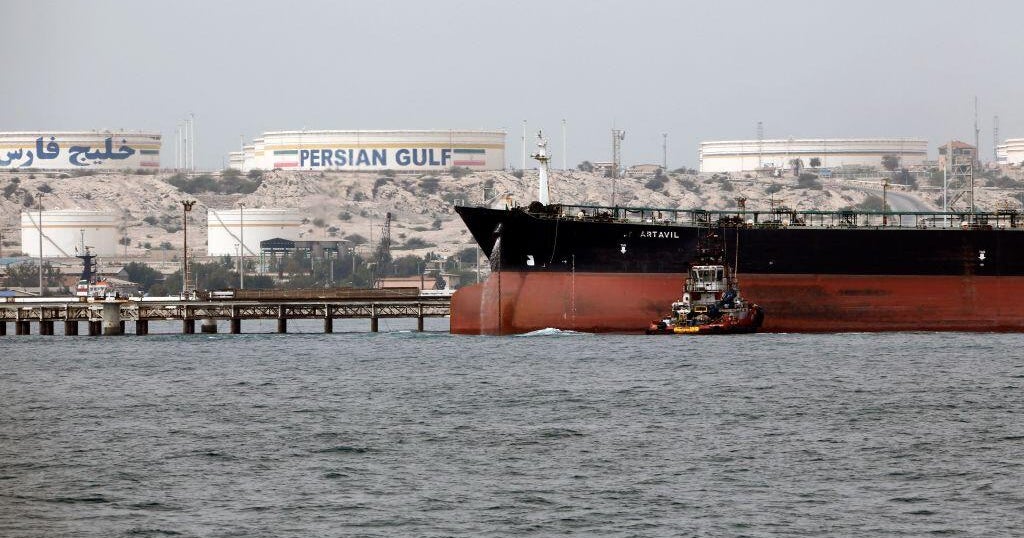
The U.S. issued a 30-day sanctions waiver allowing purchase of Iranian crude and petroleum products loaded on vessels as of March 20 to April 19, Treasury Secretary Scott Bessent said.
The move aims to ease energy supply pressures since the start of the U.S.-Israeli war on Iran by quickly bringing approximately 140 million barrels of oil to global markets, Bessent said.
Senate Minority Leader Chuck Schumer and several Senate Democrats sharply criticized the earlier waiver on Russian oil and warned the reprieves could boost foreign adversaries, they said in a joint statement earlier this month.
It is the third temporary sanctions waiver in about two weeks and follows a prior one allowing purchase of Russian oil already at sea, officials said.
The general license expires on April 19, and officials said the authorization is strictly limited to oil already in transit and does not permit new purchases or production.
Analysis
Center-leaning sources frame this story as a pragmatic, market-driven policy move by foregrounding Treasury explanations and supply-relief language while omitting dissenting Iranian, regional, or market-analyst perspectives. Editorial choices — labeling the waiver as intended "to ease energy supply pressures" and emphasizing timing and prior waivers — create a technocratic narrative; quoted material is source content.
FAQ
The waiver allows the purchase of Iranian crude loaded between March 20 and April 19 to bring approximately 140 million barrels to global markets, easing energy supply pressures from the U.S.-Israeli war on Iran and keeping prices down.
It is limited to oil already loaded and in transit during March 20–April 19, excludes transactions involving North Korea, Cuba, covered regions of Ukraine, or Crimea, and does not permit new purchases or production.
Treasury Secretary Scott Bessent announced it, stating it uses Iranian barrels against Tehran to keep prices down during Operation Epic Fury.
No, it is the third temporary sanctions waiver in about two weeks, following prior ones for Russian oil.
The waiver addresses supply disruptions from the ongoing war, amid Operation Epic Fury, with U.S. goals including destroying Iranian military capabilities and preventing nuclear weapons.

