U.S.-Iran Escalation After Natanz Strike as Iran Hits Dimona and Arad
Iranian missiles struck Israeli towns near the Dimona nuclear research center after Natanz was hit, amid Trump threats to target Iranian power plants if the Strait of Hormuz is not opened within 48 hours.

 PJ Media
Trump Gives Iran 48-Hour Ultimatum on Strait of Hormuz

 BBC News
Trump at a crossroads as US weighs tough options in Iran

 New York Post
Over 100 Israeli civilians wounded by new Iranian missile strikes, including one near nuclear facility
 CBS News
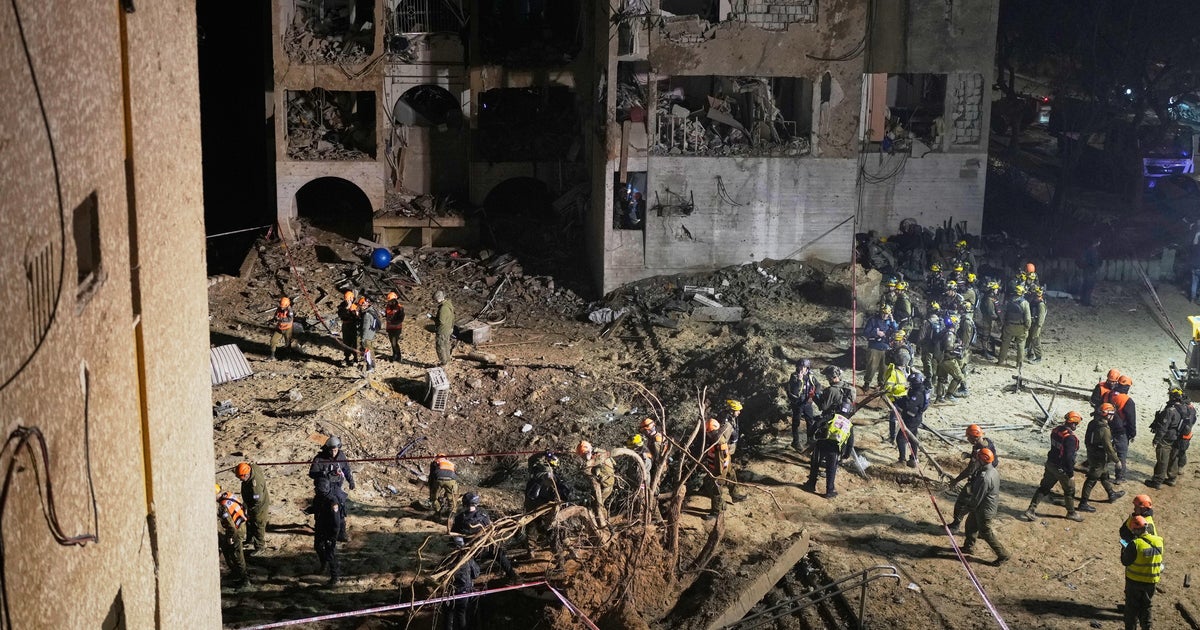
2 Iranian strikes on towns near Israel's main nuclear research center injure dozens
Overview
Iranian missiles struck the towns of Dimona and Arad, injuring roughly 90 to over 100 people, according to Israeli authorities and emergency services.
The strikes followed an earlier attack on Iran's Natanz nuclear enrichment facility, which the International Atomic Energy Agency said showed no increase in off-site radiation levels.
The IAEA called for "maximum military restraint," Iran said the Dimona strike was a response, and Israeli officials said they are investigating how missiles penetrated air defences.
U.S. Central Command said the United States has struck over 8,000 military targets in Iran, including 130 vessels.
President Trump warned the United States would "hit and obliterate" Iranian power plants if the Strait of Hormuz is not "fully open" within 48 hours, while Marine units of about 2,500 personnel have been dispatched.
Analysis
Center-leaning sources frame the coverage as a confused, contradictory crossroads emphasizing uncertainty and potential escalation. Editorial choices — loaded descriptors ("fuzzy state", "clarity, it seems, is not his intention"), juxtaposition of Trump's calming language with troop movements, and selective emphasis on military options and funding requests — create a narrative of unclear intent and rising risk.
FAQ
Natanz is Iran's nuclear uranium enrichment facility, which was struck earlier in the day by the US and Israel, with the IAEA confirming no increase in off-site radiation levels.
