Cuba Restores Power After National Grid Collapse
Cuba began restoring electricity after a nationwide blackout triggered by a failure at the Nuevitas thermoelectric plant amid a U.S. oil blockade.
 BBC News
Cuba's second power cut in a week leaves 10 million in darkness

 USA TODAY
Cuba begins restoring power after second grid collapse in a week

 Los Angeles Times
'It's the people who are suffering.' How Cuba is struggling under U.S. oil blockade
 CBS News
Cuba begins to restore electricity after nationwide power grid collapse
Overview
Cuba began restoring electricity on March 22 after the national grid collapsed the evening of March 21 at 6:32 p.m., the national power operator UNE said.
The Ministry of Energy and Mines said the outage was triggered by a failure at a generating unit at the Nuevitas thermoelectric plant that produced a cascading shutdown.
Authorities said they set up microsystems of smaller closed circuits to prioritize hospitals, blood banks, water supply and food distribution while technicians worked to recover service.
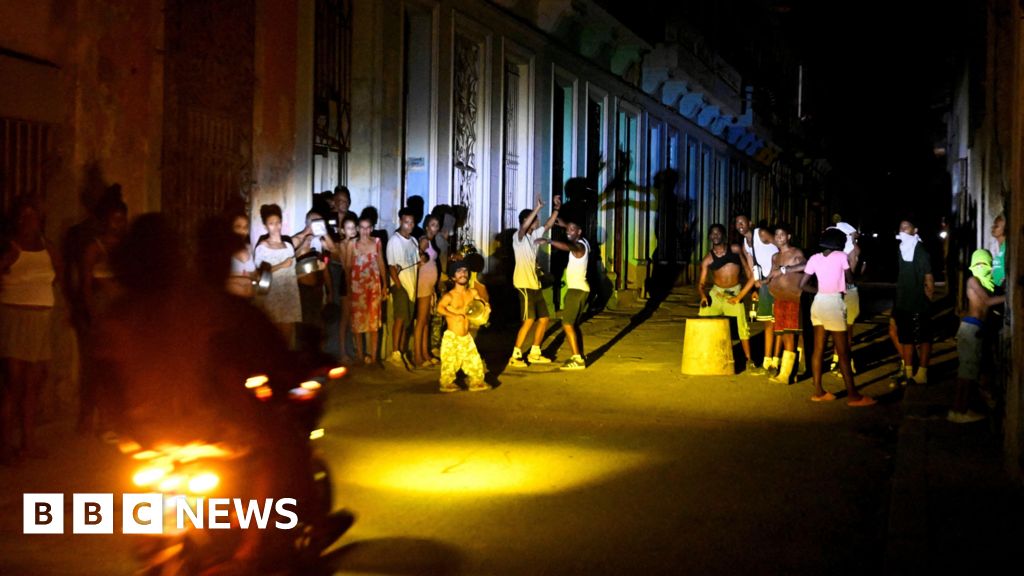
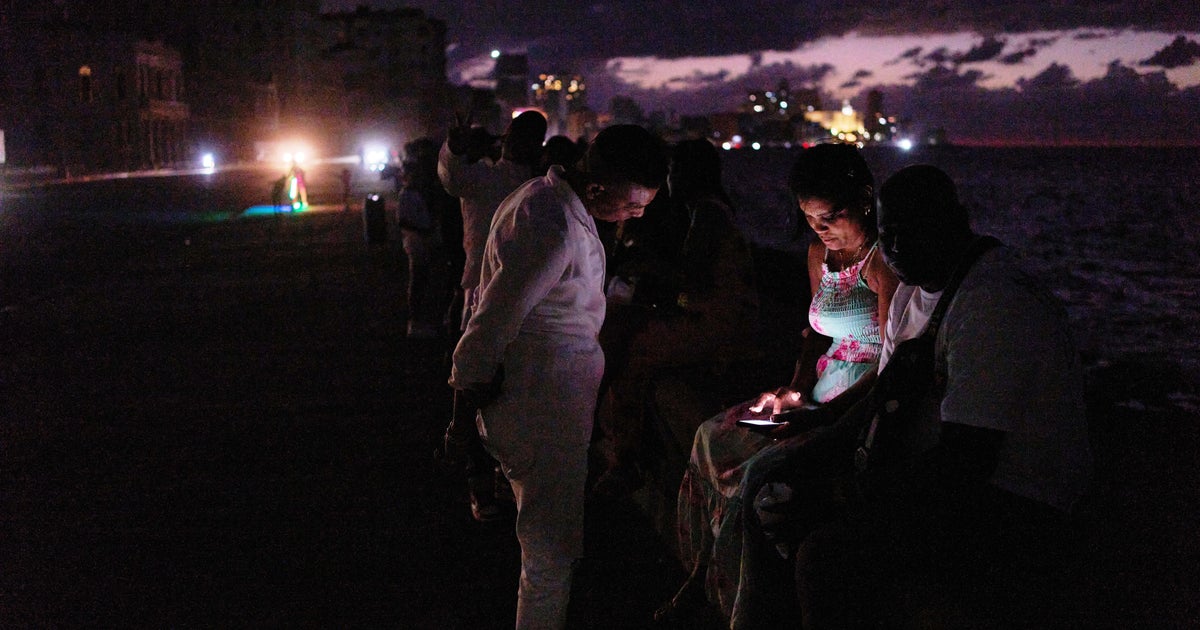
The outage was the second grid collapse in a week and the third in March, leaving more than 10 million people without power and about 72,000 of Havana's roughly 2 million residents with electricity early Sunday, officials reported.
Cuban officials said a U.S. oil blockade after the Jan. 3 seizure of Nicolás Maduro halted foreign fuel supplies for three months, and both governments have confirmed they are holding talks to address the crisis.
Analysis
Center-leaning sources frame the blackout as both a humanitarian crisis and geopolitically charged, foregrounding external causes ('US fuel blockade cuts off foreign oil imports') alongside internal failings (ageing infrastructure, chronic shortages). They prioritize protest imagery, political rhetoric (Trump's 'friendly takeover' remarks) and solidarity aid to emphasize competing domestic hardship and international pressure.
FAQ
The outage was triggered by a failure at a generating unit at the Nuevitas thermoelectric plant, leading to a cascading shutdown.
The blackout affected more than 10 million people across Cuba; authorities prioritized power to hospitals, blood banks, water supply, and food distribution using microsystems of smaller closed circuits.
A U.S. oil blockade followed the January 3 seizure of Venezuelan President Nicolás Maduro halted critical oil shipments from Venezuela for three months, exacerbating Cuba's fuel shortages despite producing 40% of its own petroleum.
This was the second grid collapse in a week, the third in March, and the third major blackout in four months.