Cuba Says Military Preparing Amid Blackouts, Trump Remarks
Deputy FM Carlos Fernández de Cossío said Cuba is preparing for possible U.S. aggression as blackouts deepen and Washington tightens oil restrictions, while U.S. military leaders say they are not rehearsing an invasion.
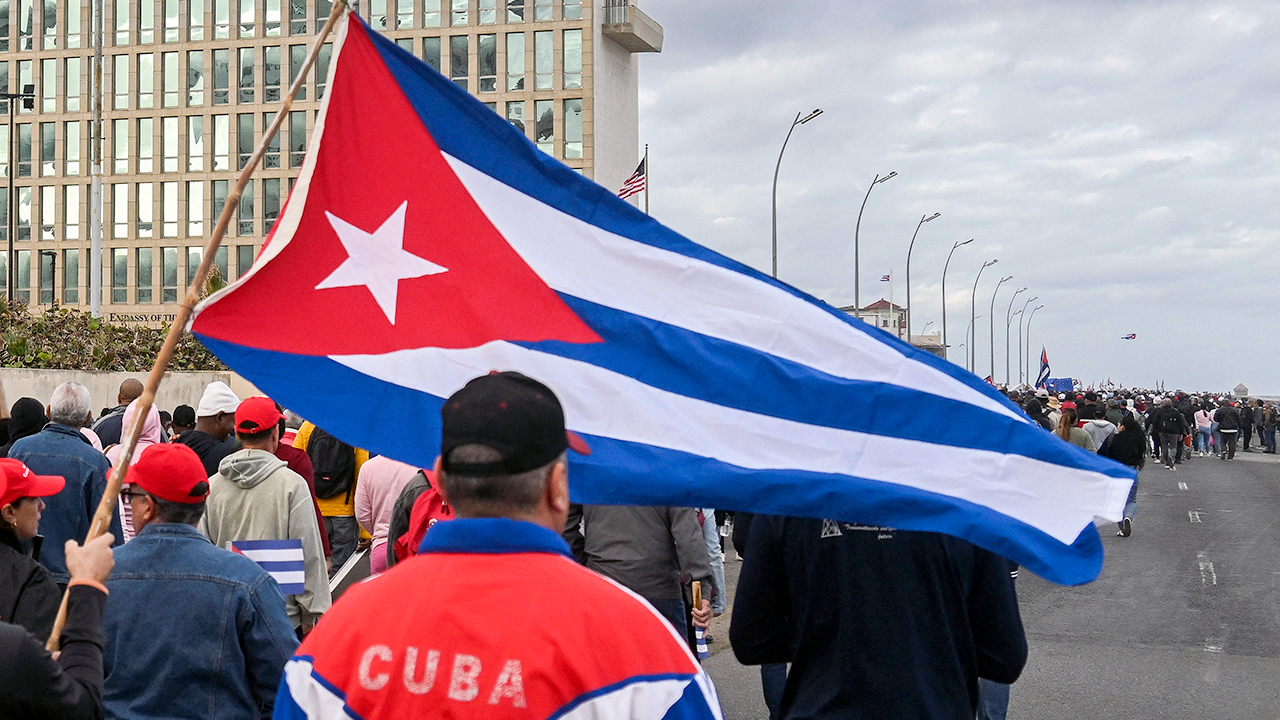
 FOX News
Cuban official reveals military 'preparing' for conflict after Trump considers 'taking' island
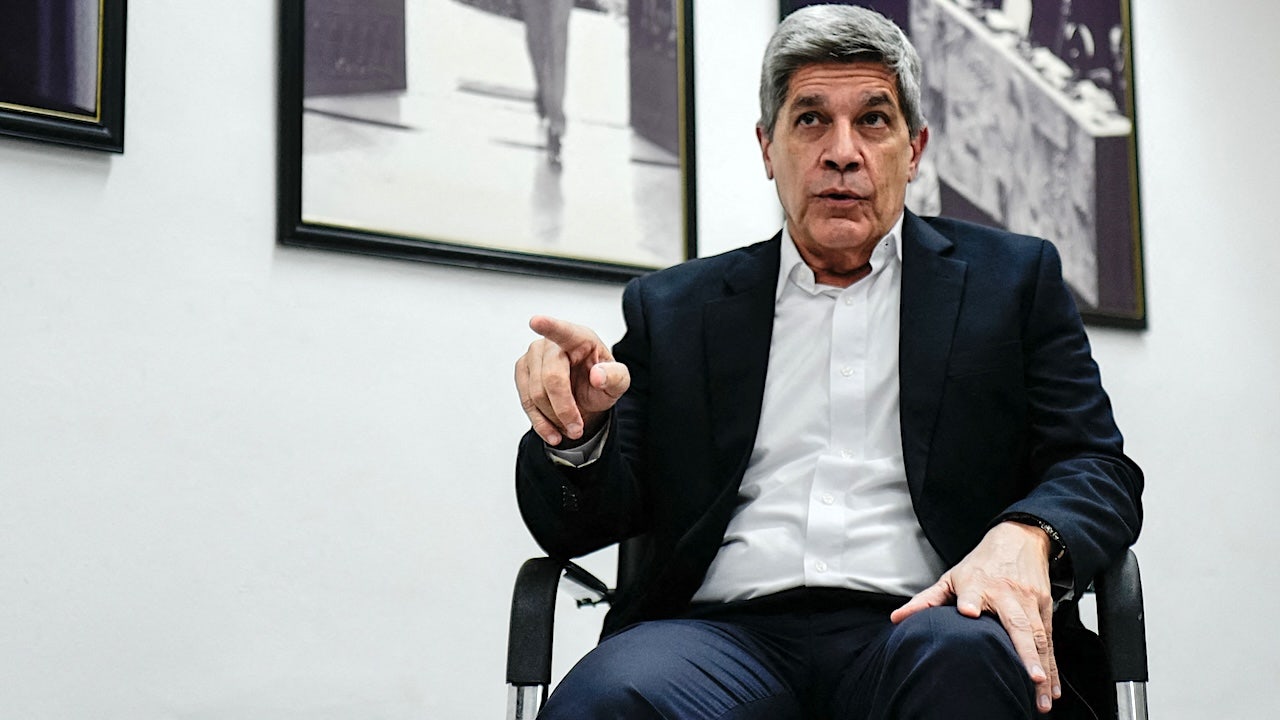 FOX News
Carlos Fernández de Cossío: Cuba 'preparing' for 'possibility of military aggression'

 Al Jazeera
Emerging from latest blackout, Cuba says ready for any potential US attack
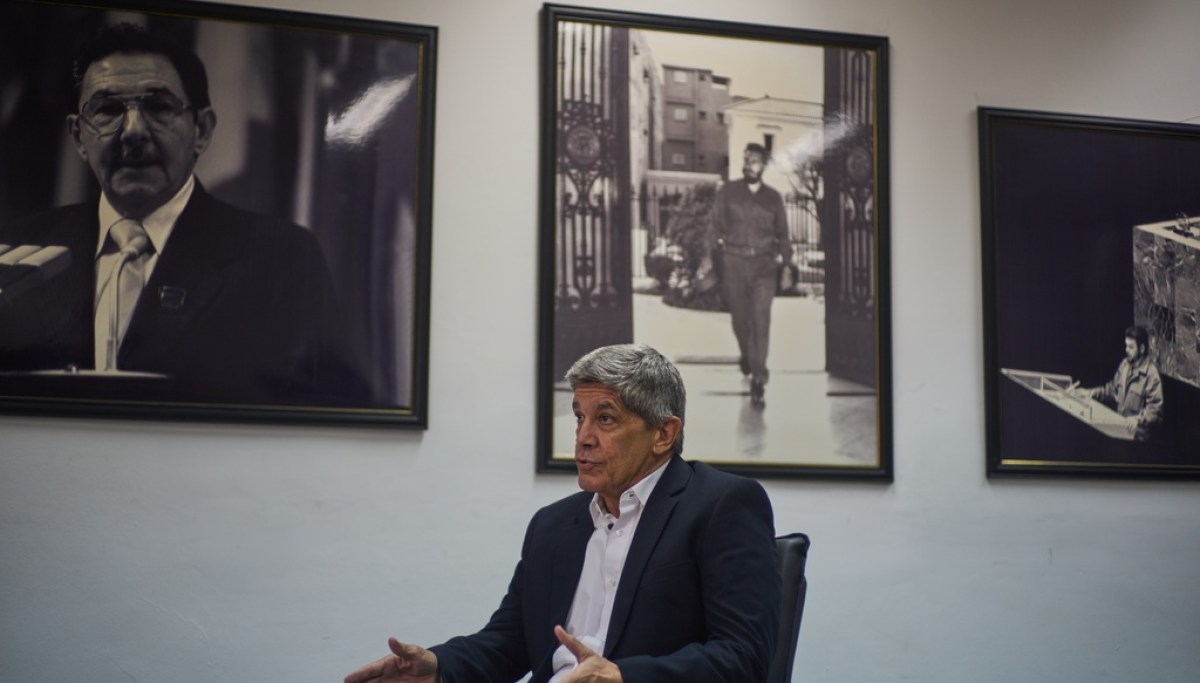
 Washington Examiner
Cuban military 'preparing' for US attack: Deputy foreign minister
Overview
Cuba's Deputy Foreign Minister Carlos Fernández de Cossío said in an interview that the country's military 'is preparing these days for the possibility of military aggression'.
The comments followed President Donald Trump saying on March 16 he expected to have the 'honour' of taking Cuba and came amid an oil blockade that Havana says has choked fuel supplies.
Deputy FM Fernández de Cossío said Cuba is 'absolutely' opposed to regime change and that the nature and members of the Cuban government are 'not part of the negotiation'.
The state-run Electric Union said some 72,000 customers in Havana, including five hospitals, had electricity again early on Sunday after a total national disconnection caused by an unexpected shutdown at the Nuevitas thermoelectric plant.
Gen. Francis Donovan, head of U.S. Southern Command, told lawmakers U.S. forces are not rehearsing an invasion and are focused on protecting the embassy, defending Guantánamo Bay and supporting responses to mass migration.
Analysis
Center-leaning sources frame the story as U.S. coercion threatening Cuba by using editorial emphasis (headlines on outages and “blockade”), privileging Cuban officials’ warnings, and juxtaposing provocative Trump/Rubio quotes without detailed U.S. policy context. These choices shape a narrative of Cuban vulnerability rather than a neutral, multi-perspective account.
FAQ
Cuba's blackouts are primarily caused by a U.S.-led oil blockade that has cut off Venezuelan fuel imports, combined with chronic mismanagement of the island's infrastructure. On March 16, 2026, the electrical grid collapsed entirely, leaving approximately 11 million people without power. This represents the latest escalation in rolling outages compounded by near-total cutoff of imported oil, with a third major blackout occurring in late March affecting millions of Cubans.
President Donald Trump stated on March 16 that he expected to have the 'honor' of taking Cuba and escalated his rhetoric against the island nation. However, Gen. Francis Donovan, head of U.S. Southern Command, told lawmakers that U.S. forces are not rehearsing for an invasion and are not actively preparing to militarily take over Cuba. Instead, U.S. military focus remains on protecting the embassy, defending Guantánamo Bay, and supporting responses to mass migration.
No. Cuban Deputy Foreign Minister Carlos Fernández de Cossío explicitly stated that regime change is 'absolutely' off the table in discussions with the United States. He also said any suggestion that the nature, structure, or members of the Cuban government would be subject to negotiation is untrue, emphasizing that Cuba's government structure is not part of ongoing talks between Havana and Washington.
On February 25, 2026, Cuban border forces intercepted a Florida-registered speedboat entering Cuban territorial waters. Cuban authorities alleged the boat's occupants opened fire first, wounding the Cuban patrol commander, prompting Cuban forces to return fire. According to Cuba's account, four people were killed and six wounded, and Cuban authorities recovered weapons including rifles, handguns, explosives, camouflage equipment, and nearly 13,000 rounds of ammunition. U.S. Secretary of State Marco Rubio confirmed the U.S. government was not involved and said Washington would independently verify what happened. The boat was later reported to have been stolen from a Florida Keys marina.
Cuba's instability directly affects U.S. interests including potential migration surges toward Florida, Caribbean security risks, and strategic competition in the region. The crisis also presents Washington with an opportunity to weaken or reshape the long-standing adversarial Cuban regime and reduce Russian and Chinese influence in the Western Hemisphere. However, the situation exposes vulnerabilities in distant support for aligned regimes, signaling to Russia and China the limitations they face in supporting allied governments globally.

.png)