Pentagon Confirms 82nd Airborne Elements Headed to Middle East After Iran Rejects Ceasefire
Pentagon confirmed elements of the 82nd Airborne and Marine expeditionary forces are moving to the Middle East after Iran rejected a U.S. ceasefire proposal March 25, expanding U.S. ground-capable options.
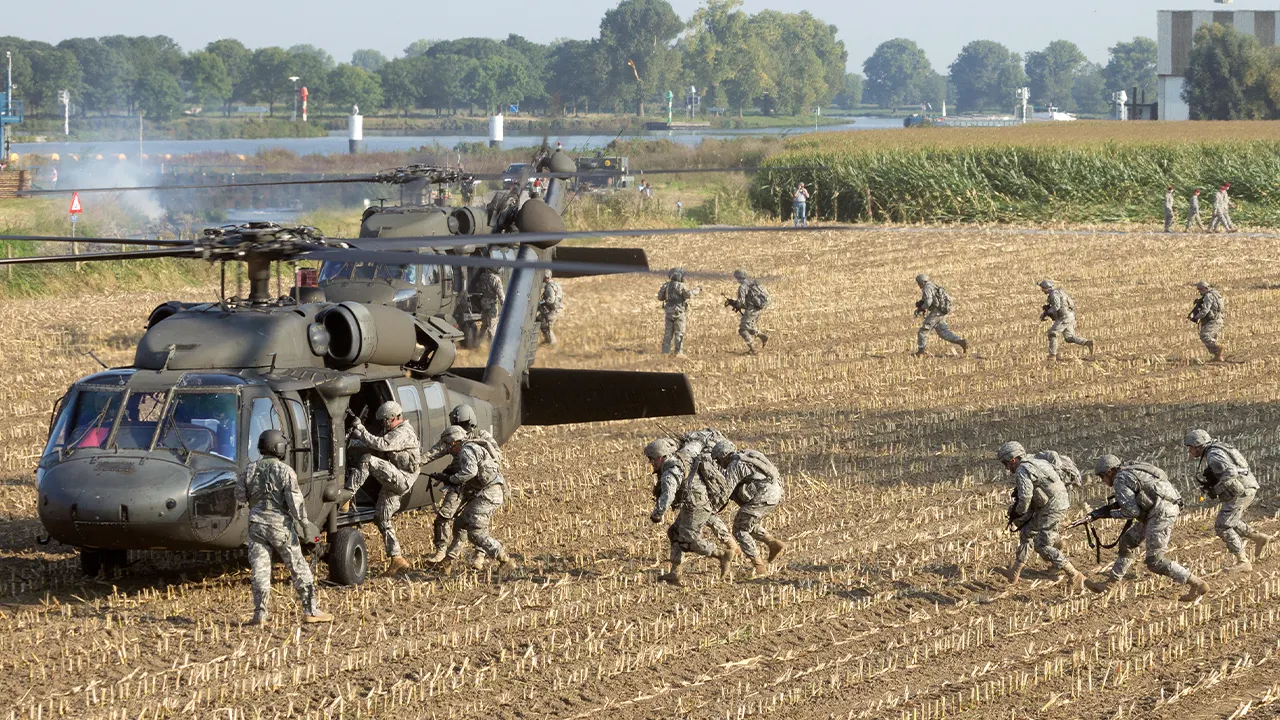
 FOX News
US moves airborne troops, Marines as Iran rejects ceasefire, raising ground war potential
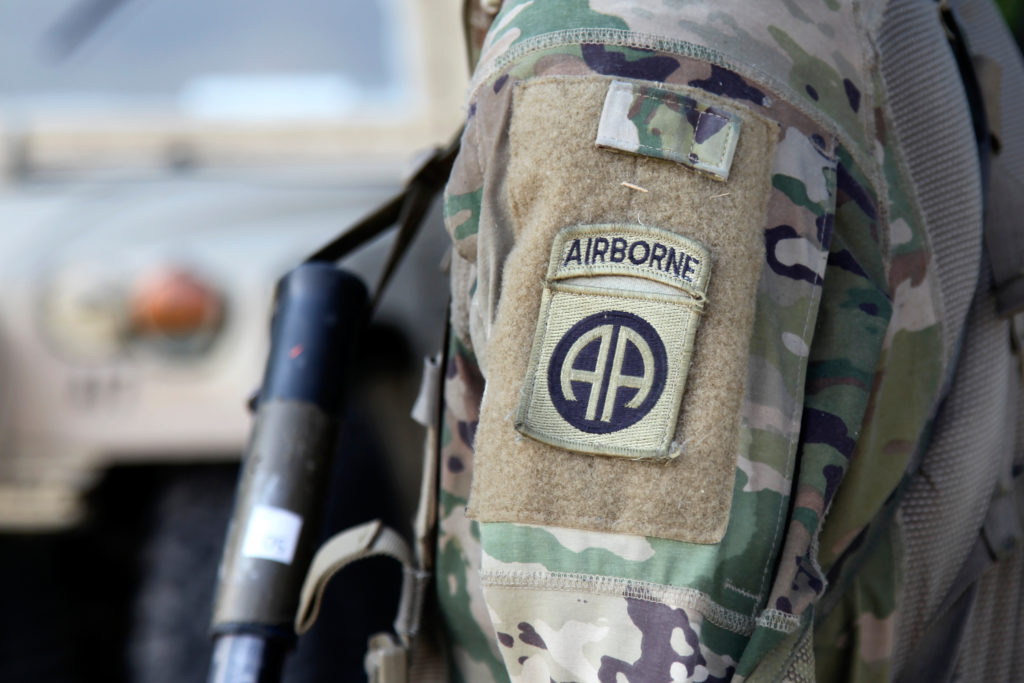
 PBS NewsHour
AP report: At least 1,000 U.S. troops from 82nd Airborne set to deploy to Mideast

 USA TODAY
Trump is sending 82nd Airborne paratroopers to Iran. What's next?
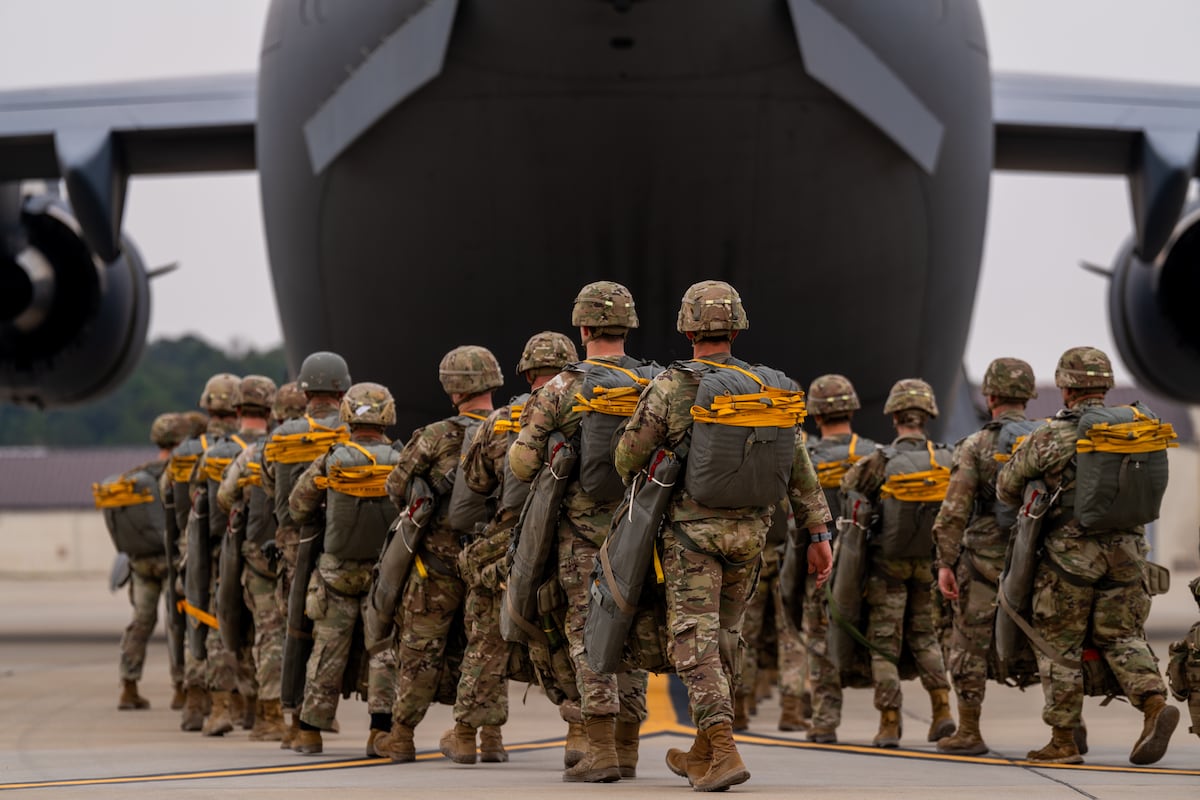
 Military Times
Pentagon confirms elements from the 82nd Airborne Division to deploy to the Middle East
Overview
The Pentagon confirmed elements of the 82nd Airborne Division headquarters and the 1st Brigade Combat Team will deploy to the CENTCOM area of responsibility, a Defense Department spokesperson said.
The deployments follow Iran's rejection of a 15-point U.S. peace plan March 25, a development officials said narrowed diplomatic off-ramps and increased the value of ground-capable options.
Lawmakers said they left a classified briefing frustrated by a lack of clarity about the deployments, with Rep. Mike Rogers saying they were not getting enough answers, lawmakers said.
Reported figures vary, with estimates of the airborne force ranging roughly 1,000 to 3,000 troops, two Marine Expeditionary Units of about 2,200 each, and roughly 40,000 to 50,000 U.S. troops already in the region, officials said.
The Pentagon declined to provide details on size, duration or mission, officials said, and reports said no final order has been issued to send U.S. ground troops into Iran and any formal announcement will come from the Defense Department.
Analysis
Center-leaning sources present this coverage neutrally: they rely on the Pentagon’s brief, unattributed statement, report factual context (82nd Airborne role, CENTCOM area), note the New York Times’ broader report, and avoid evaluative verbs or speculative framing. The focus is on verified facts and operational context rather than opinion.
FAQ
The exact size of the deployment remains unclear, with estimates varying between 1,000 to 3,000 troops from the 82nd Airborne Division. Some sources report 'less than 1,500' troops, while others reference a brigade of approximately 3,000 soldiers from the Immediate Response Force. The Pentagon has declined to provide specific details on deployment size for security reasons.[1]
The deployment follows Iran's rejection of a U.S. ceasefire proposal and occurs amid ongoing military conflict that began on February 28, 2026. The escalation reflects narrowed diplomatic options after Iran rejected a 15-point U.S. peace plan, and U.S. military operations have already destroyed over 9,000 Iranian military targets. Additionally, Iranian forces continue drone and ballistic missile attacks on Israel and regional allies, and have blocked access to the Strait of Hormuz, which transports about a fifth of the world's oil.[2]
The 82nd Airborne Division is considered one of the most combat-ready units in the U.S. Army and specializes in rapid deployment and parachute assaults. The division can deploy within 18 hours of receiving orders and is trained to seize contested terrain, often by parachuting behind enemy lines. As a light infantry division, they deploy without tanks or large armored vehicles.[1]
The U.S. already has approximately 40,000 to 50,000 troops stationed in the Middle East region. This deployment adds an additional 1,000 to 3,000 82nd Airborne troops, plus two Marine Expeditionary Units of approximately 2,200 personnel each, significantly expanding the U.S. military presence in the region.
No final order has been issued to send U.S. ground troops into Iran as of the search results' publication. The Pentagon has declined to provide specific details on deployment size, duration, or mission for security reasons, and any formal announcement regarding ground operations will come from the Defense Department.