Trump, Xi To Meet In Beijing May 14-15 After Iran War Delay
Rescheduled May summit follows U.S. and Israeli operations against Iran and comes as China stays largely on the sidelines while watching U.S. military moves.
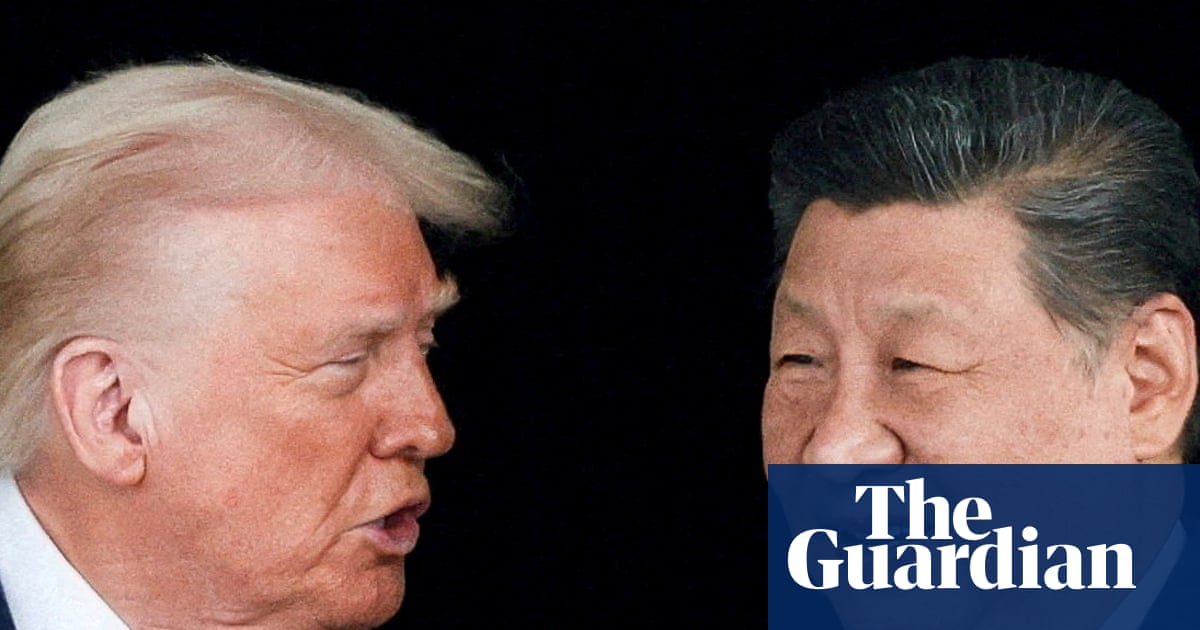
 The Guardian
Trump’s trip to meet Xi Jinping in China rescheduled for May due to Iran war
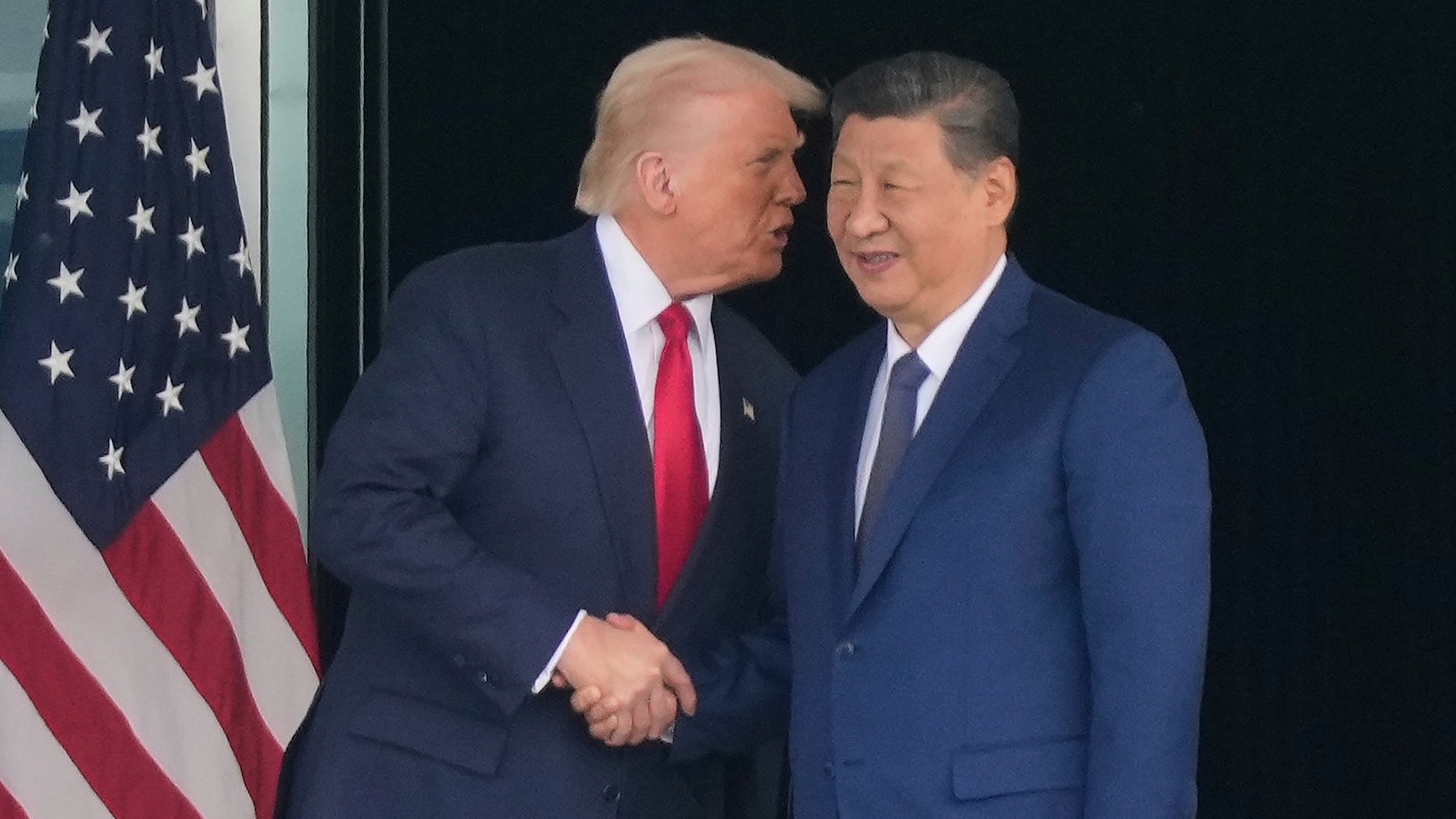
 ABC News
US-Iran conflict hands China's Xi upper hand ahead of Trump meeting: Experts
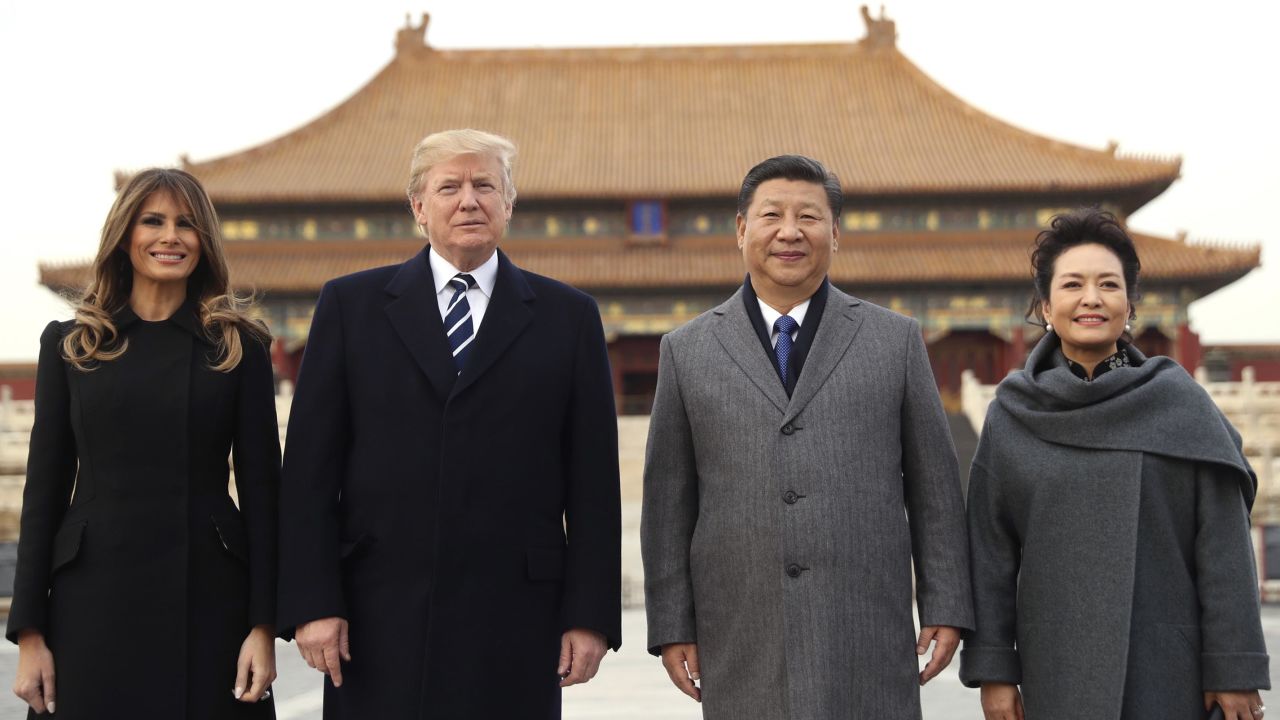
 The American Conservative
Trump to Visit China in Mid-May
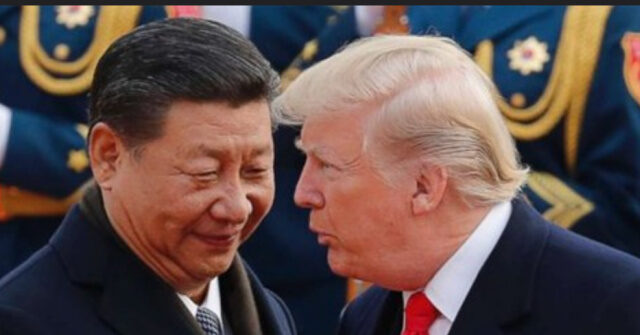
 Breitbart News
Trump Planning to Meet with China's Xi Jinping in May
Overview
President Donald Trump will travel to Beijing on May 14 and 15 to meet Chinese President Xi Jinping, the White House announced.
The trip was postponed from March 31–April 2 because Trump delayed travel to remain in Washington during U.S. and Israeli combat operations against Iran that began on February 28.
Experts said China has largely stayed on the sidelines of the conflict, is watching U.S. military operations for lessons applicable to Taiwan, and benefits as U.S. assets shift from the Indo-Pacific.
Kpler found China imported about 12 million barrels of oil daily during the first two months of 2026.
White House press secretary Karoline Leavitt said Trump and Xi discussed rescheduling and that the administration had "always estimated approximately four to six weeks" for winding down combat operations.
Analysis
Center-leaning sources are neutral in this coverage; they report facts, attribute statements to officials, and avoid evaluative language. They present the White House timeline, Karoline Leavitt's comment, and Trump's Truth Social post as sourced content, and link the schedule change to the Iran conflict without editorializing or omitting alternate viewpoints.
FAQ
The summit was postponed because President Trump delayed travel to remain in Washington during U.S. and Israeli combat operations against Iran that began on February 28, with the administration estimating four to six weeks to wind down operations.
China has largely stayed on the sidelines, issuing ritual denunciations but offering no substantive support, while watching U.S. military operations for lessons applicable to Taiwan and benefiting from U.S. assets shifting from the Indo-Pacific.
The summit is expected to focus on trade issues like tariffs, agricultural imports such as soybeans, critical minerals, and sustaining the U.S.-China trade truce, with potential discussions on Taiwan, Iran, and broader security matters.
China prioritizes summit success over concerns about disrupted oil supplies from Iran, viewing the U.S. military actions as shifting resources away from the Indo-Pacific and providing strategic lessons, while maintaining a neutral stance.
